


Diving Tips: How to Improve Your Air Consumption

Improve Air Consumption

Improving your air consumption is one of the most valuable skills any diver can develop. Not only does it allow for longer bottom times, but it also increases your safety, reduces stress, and helps you become a more relaxed, efficient diver.

While some aspects of air consumption are influenced by physiology, much of it comes down to technique, awareness, and regular practice.

Let’s dive into practical ways you can stretch your tank and enjoy your underwater adventures more fully.

Improve-Air-Consumption

Master Your Buoyancy

Struggling to maintain buoyancy wastes both air and energy. If you are constantly inflating and deflating your BCD or finning to stay in position, you’re using more oxygen than necessary. Take time to perfect your neutral buoyancy. Practice hovering with slow, minimal movements. This skill reduces drag, conserves energy, and helps your breathing rate naturally slow down.

Consider taking the PADI Peak Performance Buoyancy Speciality for structured training and feedback.

Slow Down Your Movements

Calm, slow movements are the key to conserving air. Avoid rapid finning or sudden arm motions. Streamlined, deliberate movements reduce effort and help you remain calm—keeping your breathing slower and more controlled.

Think like a sea turtle: graceful, smooth, and relaxed.

Focus on Breathing Technique

Breathing efficiently underwater is very different from breathing on land. Use the following tips:
– Take deep, slow breaths from your diaphragm, not your chest. Pause briefly after inhaling and exhaling—this creates a natural rhythm.
– Avoid shallow or rapid breathing, which can increase carbon dioxide build-up and trigger anxiety. With time, this controlled breathing becomes second nature.

Focus-on-Breathing-Technique

Streamline Your Gear

Bulky or dangling equipment increases drag and resistance. This forces you to work harder and breathe more. Make sure hoses, slates, and accessories are clipped close to your body. The more streamlined your setup, the less effort you will need to move—translating into better air efficiency.

Stay Warm and Comfortable

Being cold underwater causes your body to burn more energy to maintain its core temperature, increasing your air consumption. Wear an appropriate exposure suit and keep your gear well-fitted. Even mild discomfort, like a leaky mask or too-tight straps, can cause unnecessary stress and lead to faster breathing.

Dive More

As with any skill, practice improves performance. The more you dive, the more your body adapts to the environment, and the better your air consumption will get. Regular diving builds muscle memory, breathing control, and confidence—all of which contribute to more efficient air use.

Master-Your-Buoyancy

Improving your air consumption is not about holding your breath or pushing limits—it’s about being calm, aware, and efficient in every moment of your dive. Small improvements add up over time, and with practice, you’ll find yourself staying down longer and enjoying every dive more fully. If you want to track your progress, log your SAC (Surface Air Consumption) rate after each dive and notice the improvements. And remember: the most important breath is the one you take slowly and mindfully.

PADI Peak Performance Buoyancy Specialty Course

Click below for more PADI Dive Courses Information:

By Hafid, AMD-B’s 2025 Divemaster Intern

Mining Waste Threat for Coral Reef

Mining Waste Threat for Coral Reef

Coral reefs are among the most vital and diverse marine ecosystems on Earth, often referred to as the “rainforests of the sea.” They support over 25% of all marine species, provide food and income for millions of people, and serve as natural barriers that protect coastlines from erosion and storm surges. Despite their importance, coral reefs face a growing and often overlooked threat — pollution from mining waste.

Coral-Reefs-Rainforests-of-the-Sea

Sedimentation from Mining Operations

One of the most direct threats posed by mining is sedimentation. Land-based mining activities often release large amounts of fine particles into nearby rivers and coastal waters. These sediments increase water turbidity, blocking sunlight that corals need to survive. Without adequate light, the symbiotic algae (zooxanthellae) living inside coral tissues cannot photosynthesise, leading to coral stress, bleaching, and eventually death.

Deep Sea Tailings Disposal (DSTP)

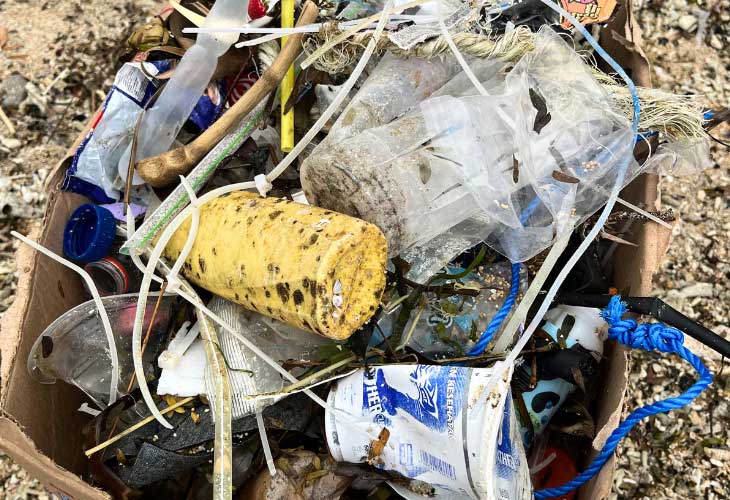
Some mining companies use a method called Deep Sea Tailings Placement (DSTP), in which mine waste is dumped directly into the ocean. While this practice is intended to reduce land-based pollution, it introduces toxic materials into deep-sea environments. These pollutants can eventually resurface or migrate to shallower areas, causing widespread damage to coral reefs and other marine ecosystems.

Mining-Waste-Damage-Coral-Reefs

Toxic Heavy Metals

Mining waste frequently contains harmful heavy metals such as mercury, arsenic, lead, and cadmium. These substances can accumulate in coral tissues and other marine organisms, disrupting biological functions and poisoning the marine food web. In severe cases, entire reef ecosystems may become uninhabitable for fish and invertebrates.

Impact on Local Communities

The damage caused by mining waste extends beyond the marine environment. Coastal communities and fisherfolk often suffer from declining fish stocks, contaminated seafood, and reduced income from tourism. As coral reefs degrade, these areas also become more vulnerable to coastal storms due to the loss of natural wave barriers.

Protecting coral reefs from mining pollution requires urgent and coordinated action. Key measures include stricter regulation of mining operations, better waste management, continuous environmental monitoring, and the rehabilitation of damaged marine areas. Saving coral reefs is not only crucial for marine biodiversity — it is essential for the food security, livelihoods, and coastal protection of millions around the world.

Protect-Coral-Reefs

By Hafid, AMD-B’s 2025 Divemaster Intern

PADI Women’s Dive Day 2025

Celebrating Women in Diving

PADI Women’s Dive Day is not just a day—it is a global celebration of the ocean and the women who dive into it with passion, purpose, and perseverance. Held every July, this initiative unites thousands of divers around the world to celebrate diversity and create a more inclusive dive community.

PADI Women’s Dive Day has grown into one of the largest global days of diving. But more than that, it has become a platform for environmental action, connection, and empowerment.

Let’s explore why this day matters, and how you can be a part of it.

Dive with Purpose

Women in diving are as diverse as the reefs we explore—spanning all ages, backgrounds, and experience levels. PADI Women’s Dive Day fosters a sense of belonging in a sport that historically had more male representation. Whether you are diving in Bali, Florida, or the Red Sea, this event is about making friends, sharing stories, and supporting each other underwater and on land.

It is also a space for mentorship. Seasoned divers can inspire beginners. Dive professionals can share their journeys. And together, we build a stronger, more supportive dive community.

PADI-Women-Dive-Day

Highlight Women’s Achievements

From underwater photographers to marine scientists, dive instructors to conservationists, women continue to play a powerful role in the dive industry. PADI Women’s Dive Day celebrates their achievements and raises awareness of the challenges women may still face in the diving world.

Many events include talks or exhibitions featuring female divers who are breaking boundaries and leading marine protection efforts.

How You Can Join

Anyone can take part in PADI Women’s Dive Day. You do not need to be a woman, or even a certified diver yet. All that’s required is a love for the ocean and a willingness to dive in—literally or figuratively.

Find an event near you through your local dive centre or the PADI website. Or, create your own celebration: gather your dive buddies, plan a dive, share your story online, or even just commit to taking care of your local coastline.

Women-in-Diving

Every Dive Counts

PADI Women’s Dive Day is more than a calendar date—it’s a movement. A movement to elevate voices, break barriers, and build a more inclusive underwater world. Whether you’re diving deep or just starting your journey, your presence matters.

Join the wave. Celebrate with us. And dive into a brighter, more connected future.

By Alfari, AMD-B’s 2025 Divemaster Intern