Save! Join a Scheduled Trip or Course; check our “Specials” for limited time offers; subscribe to eNews for discounts, freebies, bonus offers in Bali and Beyond.
Organize diving in Bali and throughout Indonesia for your dive club or group of friends. Our dedicated team of specialists work with travel agencies around the world.
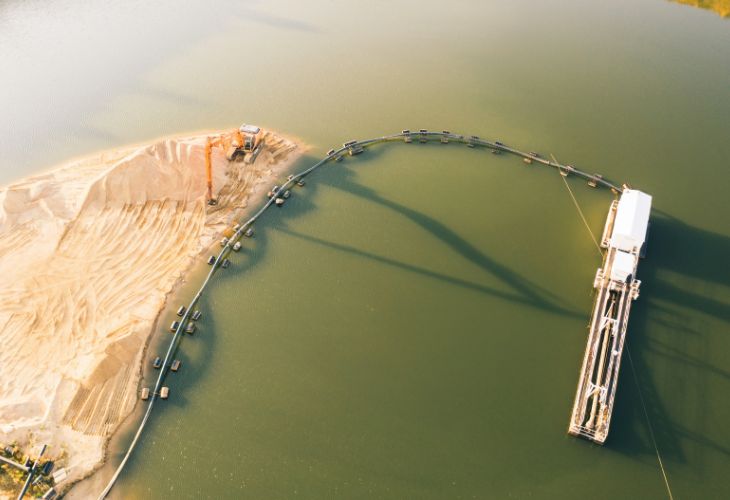
Coral reefs are often called the “rainforests of the sea” because of their incredible biodiversity. However, one major threat to these ecosystems is sedimentation. This process occurs when soil, sand, and other particles are washed into the ocean, often due to land development, agriculture, and coastal erosion. High levels of sediment can have serious consequences for coral reefs and the marine life that depends on them. Although sedimentation is a natural process, human activities have significantly increased the amount of sediment entering coastal waters in many parts of the world.
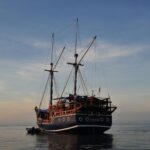
Biofouling: Barnacles, algae and shellfish can all live on the hulls of ships (Illustration: Ricardo Macía/China Dialogue Ocean)
How Sedimentation Affects Coral Reefs
When sediment settles on coral reefs, it can smother corals and block sunlight. Corals rely on sunlight to produce energy through photosynthesis, with the help of tiny algae called zooxanthellae living within their tissues. If sediment covers corals, it limits their access to light and can lead to stress, reduced growth, and even death.
Increased sediment can also reduce water quality, affecting the overall health of the reef, as corals are sensitive to changes in their environment. Higher levels of nutrients, often found in sediment, can encourage harmful algal blooms, which compete with corals for space and resources. Fine sediment can also remain suspended in the water, reducing visibility and making it more difficult for sunlight to reach deeper coral colonies.
Biofouling: Barnacles, algae and shellfish can all live on the hulls of ships (Illustration: Ricardo Macía/China Dialogue Ocean)
Consequences for Marine Life
The impact of sedimentation extends beyond corals. Many marine species, including fish, molluscs, and crustaceans, depend on healthy coral reefs for food, shelter, and breeding grounds. As coral reefs decline due to sedimentation, the entire marine ecosystem can suffer, leading to reduced fish populations and a loss of biodiversity. This can also affect local communities that rely on healthy reefs for fisheries and tourism.
Conservation Efforts
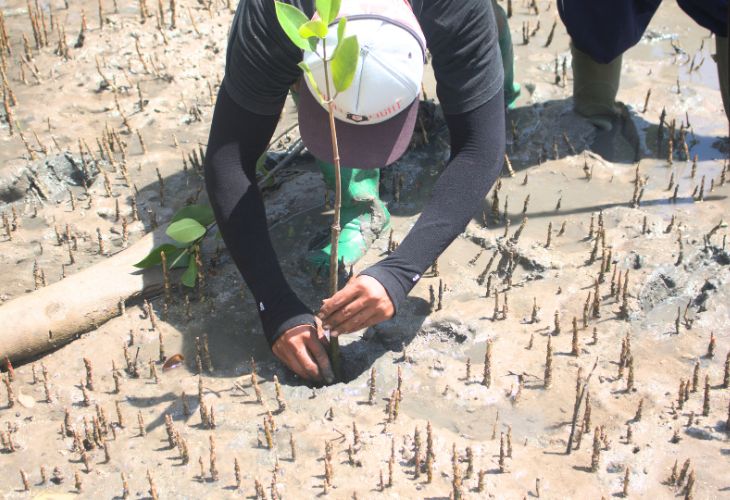
To protect coral reefs from the effects of sedimentation, it is essential to implement sustainable land-use practices. This includes reducing deforestation, managing agricultural runoff, and controlling coastal development. Restoring coastal vegetation and protecting mangrove forests can also help reduce the amount of sediment reaching the sea.
By minimising the amount of sediment entering the ocean, we can help ensure that coral reefs remain vibrant and thriving for generations to come.
Interested in protecting our oceans? Follow our Blue Project by AMD-B updates or join a dive with us to experience marine conservation first-hand 🌊