

The Benefits of Taking a Nitrox Course

Nitrox Course Benefits: Why Divers Choose Enriched Air Nitrox

Nitrox course benefits are one of the main reasons many recreational divers choose to dive with enriched air. Enriched Air Nitrox, often shortened to EANx, contains a higher percentage of oxygen and less nitrogen than regular air. This difference can provide several useful advantages underwater, especially for divers who plan to dive frequently.

For many divers, learning to use Nitrox is a simple step that can make diving more efficient and comfortable.
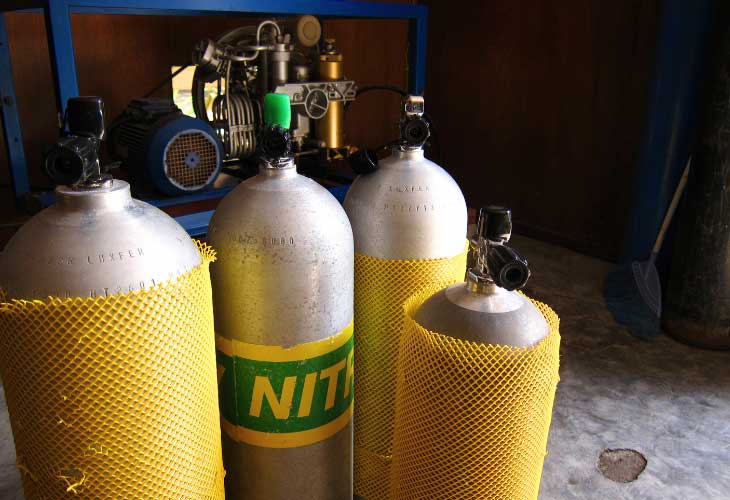
Nitrox-Course-Benefits

Longer Bottom Time

One of the biggest Nitrox course benefits is the ability to extend bottom time. Because Nitrox contains less nitrogen than standard air, your body absorbs less nitrogen during the dive.

With reduced nitrogen absorption, divers can often stay within no-decompression limits for longer periods. This means you may be able to spend more time exploring the reef before needing to ascend.

This advantage is particularly useful for underwater photographers or divers who want more time to observe marine life.

Better for Multiple Dives

Another important Nitrox course benefit is how helpful it can be when doing multiple dives in a day. Since the body absorbs less nitrogen, surface intervals can be more efficient, and repetitive dives may feel less restrictive.

Many liveaboards and dive centres recommend Nitrox for this reason, as it allows divers to manage nitrogen exposure more effectively across several dives.

Using Nitrox can also reduce the risk of decompression sickness when dive profiles are planned correctly.

Feeling Less Tired After Diving

Many divers say they feel less fatigued after diving with Nitrox. While experiences vary from diver to diver, the reduced nitrogen build-up may contribute to feeling more refreshed after a day of diving.

For divers doing several dives in a single day, this can make the overall experience more enjoyable and comfortable.
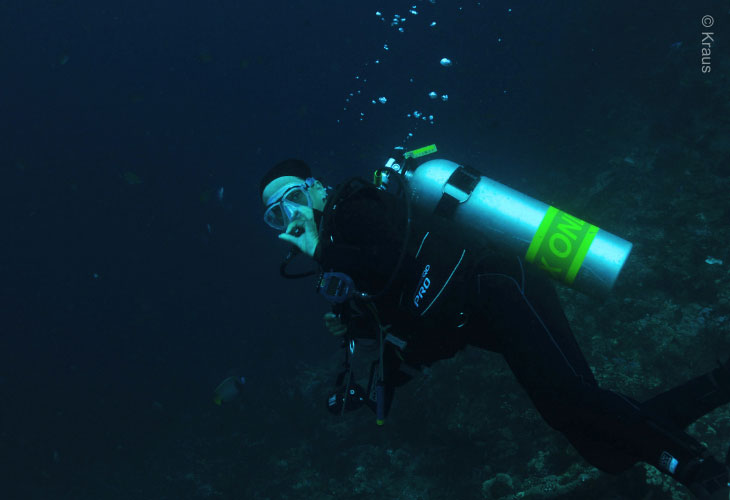
Why-Take-a-Nitrox-Course

Why Take a Nitrox Course?

Although Nitrox offers several advantages, it does require proper training. In a Nitrox course, divers learn how to analyse the oxygen content in their tanks, understand maximum operating depths, and manage oxygen exposure safely.

Breathing oxygen-rich gas at depth requires awareness and proper dive planning, but these skills are straightforward to learn during the course.

Once certified, many divers find Nitrox easy to use and appreciate the added flexibility it offers. For divers who frequently make multiple dives in a day, a Nitrox certification can be especially useful. It is a simple course that can make future dives longer, safer, and more comfortable.

PADI Nitrox (Enriched Air) Course

Click below for more PADI Dive Courses Information:

By Fahmi, AMD-B’s 2024 Divemaster Intern
Why Everyone Should Take the PADI Rescue Diver Course

PADI Rescue Diver Course

The PADI Rescue Diver course is often described as the most challenging—yet most rewarding—course in recreational diving. It shifts the focus from self-awareness to caring for others, giving you the confidence and skills to prevent and manage diving emergencies. Whether you’re diving with a buddy, a group, or even strangers, being Rescue-certified means you’re equipped to handle stress, react effectively, and potentially save lives.

But this course isn’t just about emergencies—it transforms the way you dive. Here’s why every diver should take this essential step in their underwater journey.

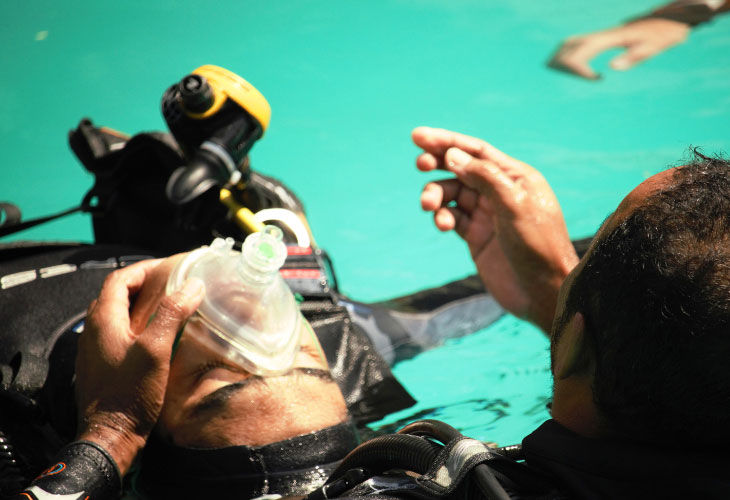
Rescue-Diver-Course-Pool-Session

Increased Awareness

One of the most valuable takeaways from the Rescue Diver course is heightened situational awareness. You’ll learn to recognize early signs of stress, fatigue, and panic in other divers—often before they realize it themselves.

The training teaches you to constantly scan your environment, assess dive conditions, and observe your buddy’s behaviour for any red flags. This proactive mindset leads to safer, more enjoyable diving. And as a bonus, you’ll gain deeper insight into your own limits and mental state during a dive.

Learn to Stay Calm Under Pressure

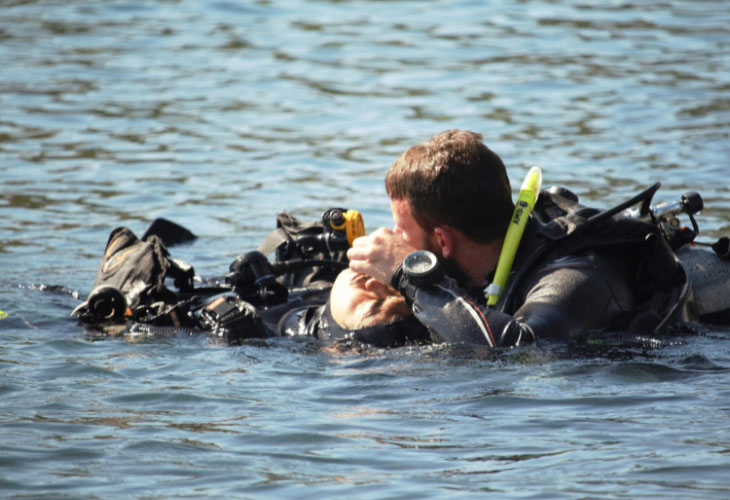
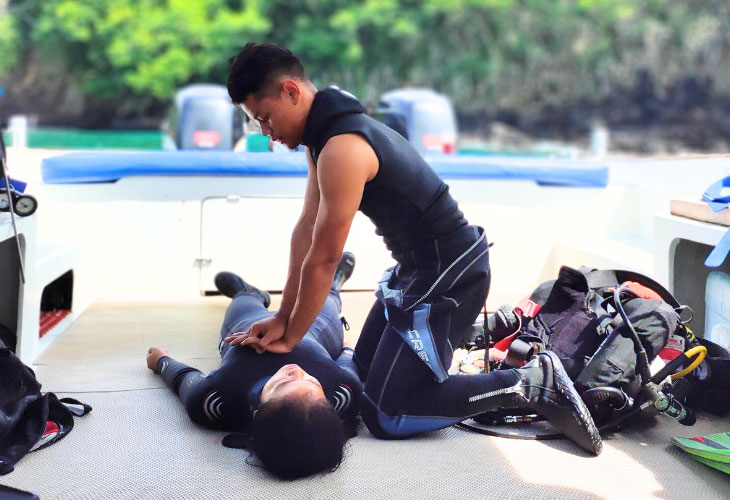
Emergencies can happen fast—and staying calm is critical. The Rescue Diver course prepares you for exactly that. Through realistic scenario training, such as handling tired or unconscious divers, you’ll build the muscle memory needed to react quickly and confidently.

By practising under pressure, you’ll learn to manage your own stress and guide others through theirs. These skills extend beyond diving too—helping you stay composed in high-stress situations in everyday life.

Rescue-Diver-Course-OW-Session

Improve Buddy Skills

Rescue training naturally makes you a more reliable and attentive dive buddy. You’ll develop better communication habits, learn how to assist a struggling diver, and master techniques like towing or removing equipment safely.

When you dive with someone who’s Rescue-certified, you feel more at ease—knowing they can respond with calm, skill, and care. Becoming that diver means you’re not just a participant, but a protector in the water.

A Stepping Stone to Pro Levels

Thinking about going pro? The PADI Rescue Diver course is a required step before advancing to Divemaster and professional-level training. Even if you’re unsure about becoming a dive professional, this course deepens your knowledge and enhances your confidence.

Many divers say it’s the moment they truly felt like a “real diver”. It solidifies your foundation and sets you up for more advanced, exciting dive experiences.

PADI-Rescue-Diver-Course

Why Take It Now?

Every dive carries some level of risk—but being prepared can make all the difference. The PADI Rescue Diver course goes beyond emergency response; it’s about becoming a more competent, aware, and dependable diver—someone others can count on.

Whether you’re diving in warm tropical reefs or chilly local quarries, Rescue Diver training makes you a true asset underwater.

AquaMarine Diving – Bali offers a world-class PADI Rescue Diver course, combining expert instruction, realistic practice scenarios, and personalized guidance to help you build the skills and confidence to handle any situation.

Ready to take the next step?
Become the diver others can count on.
Join AquaMarine Diving – Bali’s PADI Rescue Diver Course today and level up your diving journey.

PADI Rescue Diver Course

Click below for more PADI Dive Courses Information:

By Alfari, AMD-B’s 2025 Divemaster Intern

Dive Course: Advanced Open Water Diver

Advanced Open Water Diver Course

Advanced Open Water Diver course will help you fine-tune your diving skills, increase your abilities and experience, all while exploring Bali’s best dive sites.

This course is a structured programme that gives certified divers the chance to sample some of diving’s most popular specialities. You will practice navigation and buoyancy, try deep diving and make three speciality dives of your choosing.

You will also gain additional experience and skills with one of AquaMarine’s experienced PADI instructors.

Advanced-Open-Water-Diver-Course

About the Course

AquaMarine Diving – Bali’s PADI Advanced Open Water Diver Course is the next step in getting certified to dive in deeper depths and experience the different kinds of adventure diving available.

Students need to complete five dives: Two Core Dives: Deep and Underwater Navigation; and three Elective Dives. The Elective Dives allow divers to sample 3 diving specialities that interest them. At AquaMarine, we offer many PADI Specialities. Here are a few:
– Boat Diver
– Digital Underwater Photographer
– Drift Diver
– Fish Identification
– Enriched Air/Nitrox Diver
– Night Diver
– Peak Performance Buoyancy
– Underwater Naturalist
– Underwater Navigator
– Wreck Diver

After some skill practice with your instructor, you will make five open water dives. There is no exam because this course is truly about having fun and gaining experience.

For every speciality dive you complete, you can earn credit toward PADI speciality certifications.

PADI-AOW-Diver-Course

After completing the course, you will be a more confident diver. With a wide range of dive experience under your (weight)belt, you will be ready to start thinking about the next step: PADI Rescue Diver or PADI Junior Rescue Diver course.

PADI Advanced Open Water Diver Course

Click below for more PADI Dive Courses Information: