Save! Join a Scheduled Trip or Course; check our “Specials” for limited time offers; subscribe to eNews for discounts, freebies, bonus offers in Bali and Beyond.
Organize diving in Bali and throughout Indonesia for your dive club or group of friends. Our dedicated team of specialists work with travel agencies around the world.
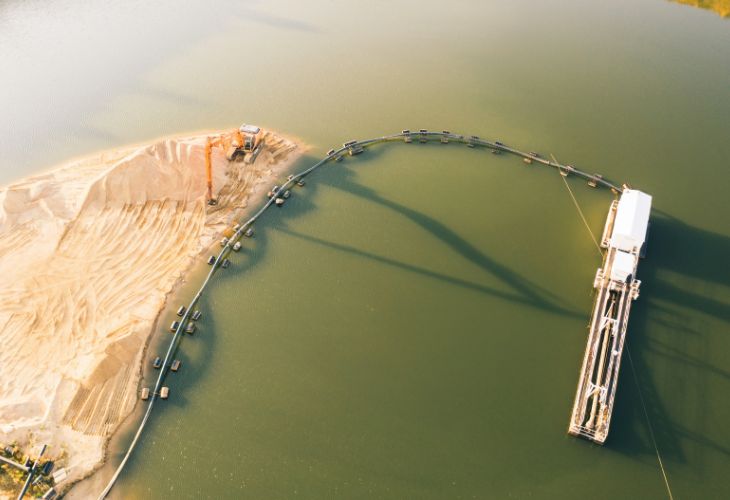
Coral reefs are often called the “rainforests of the sea” because of their incredible biodiversity. However, one major threat to these ecosystems is sedimentation. This process occurs when soil, sand, and other particles are washed into the ocean, often due to land development, agriculture, and coastal erosion. High levels of sediment can have serious consequences for coral reefs and the marine life that depends on them. Although sedimentation is a natural process, human activities have significantly increased the amount of sediment entering coastal waters in many parts of the world.
Biofouling: Barnacles, algae and shellfish can all live on the hulls of ships (Illustration: Ricardo Macía/China Dialogue Ocean)
How Sedimentation Affects Coral Reefs
When sediment settles on coral reefs, it can smother corals and block sunlight. Corals rely on sunlight to produce energy through photosynthesis, with the help of tiny algae called zooxanthellae living within their tissues. If sediment covers corals, it limits their access to light and can lead to stress, reduced growth, and even death.
Increased sediment can also reduce water quality, affecting the overall health of the reef, as corals are sensitive to changes in their environment. Higher levels of nutrients, often found in sediment, can encourage harmful algal blooms, which compete with corals for space and resources. Fine sediment can also remain suspended in the water, reducing visibility and making it more difficult for sunlight to reach deeper coral colonies.
Biofouling: Barnacles, algae and shellfish can all live on the hulls of ships (Illustration: Ricardo Macía/China Dialogue Ocean)
Consequences for Marine Life
The impact of sedimentation extends beyond corals. Many marine species, including fish, molluscs, and crustaceans, depend on healthy coral reefs for food, shelter, and breeding grounds. As coral reefs decline due to sedimentation, the entire marine ecosystem can suffer, leading to reduced fish populations and a loss of biodiversity. This can also affect local communities that rely on healthy reefs for fisheries and tourism.
Conservation Efforts
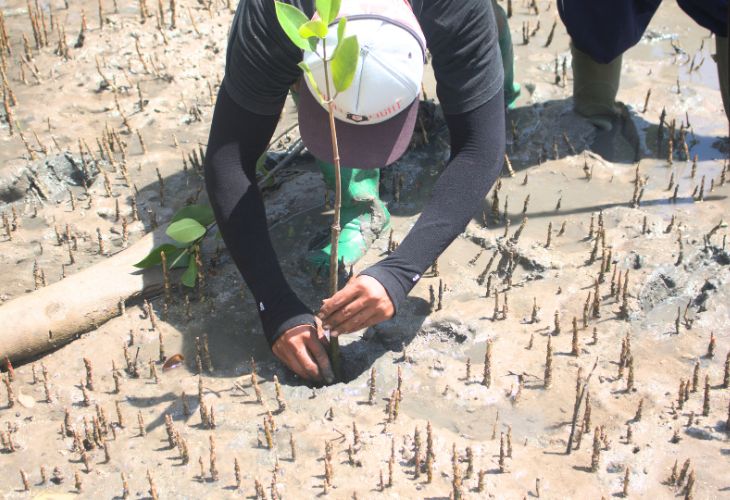
To protect coral reefs from the effects of sedimentation, it is essential to implement sustainable land-use practices. This includes reducing deforestation, managing agricultural runoff, and controlling coastal development. Restoring coastal vegetation and protecting mangrove forests can also help reduce the amount of sediment reaching the sea.
By minimising the amount of sediment entering the ocean, we can help ensure that coral reefs remain vibrant and thriving for generations to come.
Interested in protecting our oceans? Follow our Blue Project by AMD-B updates or join a dive with us to experience marine conservation first-hand 🌊
Diving Safety in Bali: How AquaMarine Diving - Bali Maintains High Safety Standards
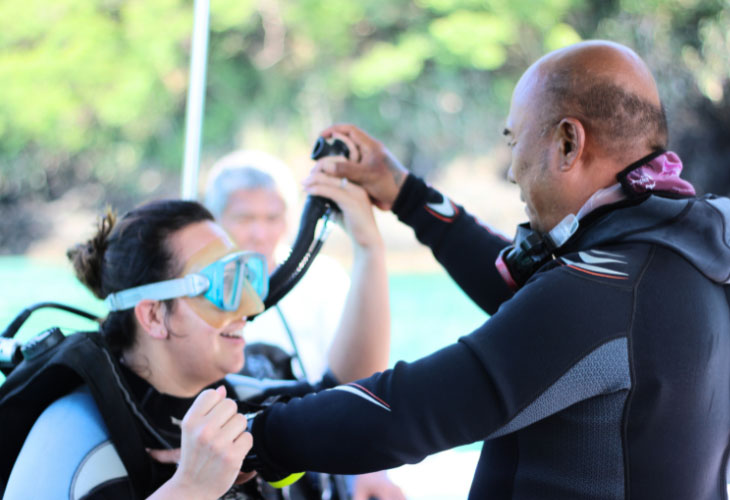
Diving safety in Bali is essential for an enjoyable underwater experience. At AquaMarine Diving – Bali, safety is part of every stage of the diving process, from planning and diver assessments to underwater supervision and emergency preparedness.
Whether diving in Tulamben, Padangbai, Amed or Nusa Penida, our goal is always to provide safe, comfortable and enjoyable diving for every guest.
Safety Starts Before the Dive
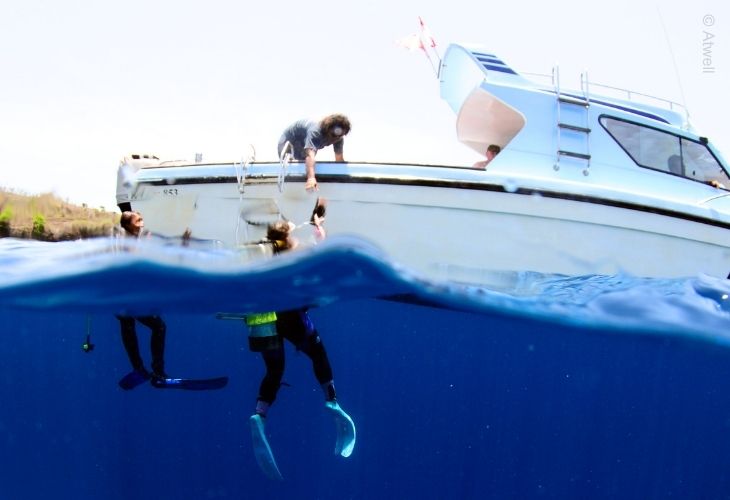
Every dive begins with careful preparation. Before each trip, the AMD-B team reviews weather forecasts, sea conditions and site-specific factors that may affect the day’s diving.
Guests complete a liability release and medical questionnaire before diving. The team also reviews each diver’s certification level, experience and comfort in the water. This helps us select suitable dive sites and create dive plans that match the divers’ abilities.
Briefings and Dive Planning
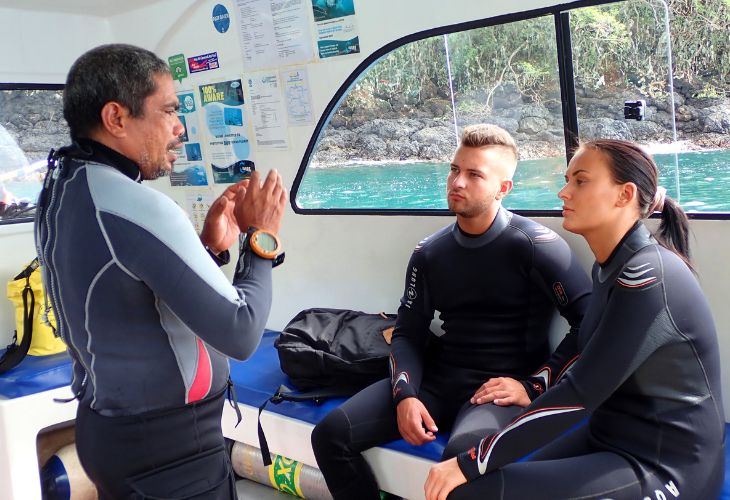
Before every dive, the guide or Instructor provides a detailed briefing covering the dive site, entry and exit procedures, maximum depth, expected conditions and safety procedures.
Divers are reminded to monitor their air supply, stay close to their buddy and follow the agreed dive plan. Clear communication helps ensure everyone understands what to expect and how to respond if conditions change.
Maintaining Diving Safety in Bali During the Dive
During the dive, guides monitor the divers and check that they remain comfortable throughout the diving. Divers are encouraged to dive within their limits and communicate any concerns to their guide.
Good buoyancy control is encouraged to help protect both divers and the marine environment. Divers are also reminded not to touch marine life or coral reefs, reducing the risk of injury and minimising impact on the underwater ecosystem.
Emergency Preparedness
Being prepared for emergencies is an important part of safe diving.
AMD-B carries emergency equipment, including oxygen units and first aid supplies, on dive trips. Team members are trained in emergency response procedures and are familiar with local medical facilities, evacuation options and emergency contacts.
Safety Is a Team Effort
Maintaining high standards of diving safety in Bali requires preparation, communication and teamwork.
While guides and Instructors oversee dive operations, divers also play an important role by following briefings, monitoring their equipment and staying aware of their surroundings. By working together, everyone can enjoy Bali’s underwater world safely and comfortably.
At AquaMarine Diving – Bali, safety is not simply a procedure — it is a commitment that supports every dive, every day.
One of the earliest and most important lessons in any Open Water Diver course is simple: no diver is ever obliged to dive. This principle is consistent across recreational training agencies and sits at the heart of safe diving practice.
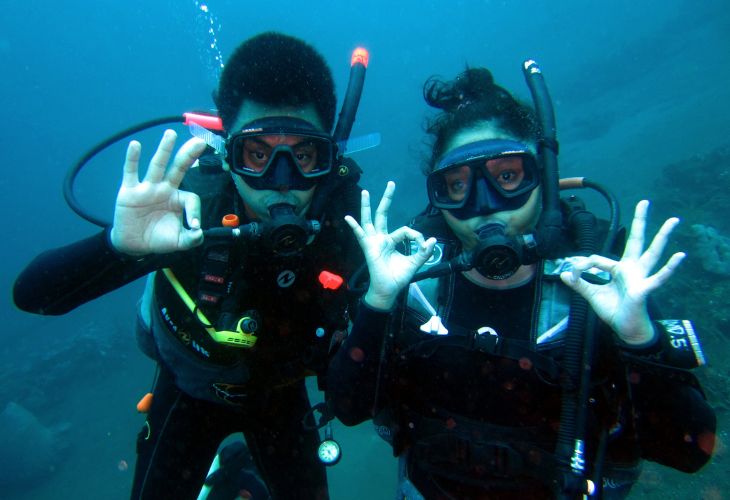
Divers are also taught that a dive can be called at any time if something does not feel right. Whether it is difficulty equalising, nausea, anxiety, or simply a quiet sense of discomfort, divers are encouraged to speak up early using hand signals and follow safe procedures.
In theory, this sounds straightforward.
In reality, saying “no” can sometimes feel like one of the hardest decisions a diver has to make.
The Pressure Is Often Internal 🫧
Most of the time, nobody is directly pushing a diver into the water. The pressure usually comes from within.
Perhaps the dive has been planned for months. Perhaps it involves travelling a long distance or visiting a well-known site. Conditions might not be perfect, but everyone else in the group still seems ready and enthusiastic.
In moments like these, it can feel difficult to say: “Actually, I do not think I should dive today.”
There can be concern about slowing the group down, disappointing a buddy, or appearing less experienced. Sometimes it is simply the fear of missing out on something extraordinary, whether that is manta rays, sharks, or a rare underwater encounter.
Yet experienced divers tend to understand this clearly: choosing not to dive can be a sign of good judgement, not hesitation.
Small Warning Signs Matter Underwater ⚠️
Many diving incidents are not caused by a single major error. More often, they develop from a series of smaller warning signs that were ignored or dismissed.
These may include: – fatigue that feels manageable – dehydration after travel or activity – mild pre-dive anxiety – conditions that are acceptable but not ideal – mental distraction – a general sense that something does not feel quite right
Individually, each may seem manageable. However, underwater conditions can change quickly, and small issues can escalate in ways that are not always predictable on the surface.
Often, the body notices something before the mind fully acknowledges it. That early awareness is worth listening to.
Every Diver Has Different Limits 🌊
No two divers are exactly the same, and no dive feels identical from one day to the next.
A dive that feels comfortable for one person may feel overwhelming for another, depending on experience, confidence, physical condition, or environmental factors.
This is completely normal.
Responsible divers do not measure themselves against others or try to prove anything underwater. Instead, they make decisions based on their own readiness in that moment.
Good divers is not about saying “yes” to every opportunity. It is about making safe, considered choices every time.
Saying “No” Should Never Feel Embarrassing 🤿
A healthy diving culture is one where honesty is respected.
No diver should feel uncomfortable or embarrassed for deciding not to dive. A good buddy will understand. A responsible instructor will support the decision. A strong dive community will always place safety above pride, schedule, or expectations.
The goal is never simply to complete a dive.
The goal is to return safely, with positive experiences that allow diving to remain enjoyable for years to come.
The Ocean Will Still Be There Tomorrow 🌺
Missing a dive can feel disappointing, especially when conditions are good or the site is highly anticipated. But the ocean does not rush.
Reefs, marine life, and dive sites will still be there tomorrow, next month, and next year.
Sometimes, the most sensible and experienced decision a diver can make is simply to sit one dive out.
Because safe diving is not about doing everything. It is about continuing to dive well into the future.
As a reminder, this is also at the heart of Rescue Diver training — learning to recognise risk early, stay aware of others, and make calm decisions before situations escalate.