


Melasti Ceremony

Bali Is More Than Just a Tourist Destination

When people think of Bali, they often picture beautiful beaches, ancient temples, and stunning landscapes. While tourism is an important part of the island, Bali is also well known for its strong culture and traditions that remain an important part of daily life.

One of the most significant ceremonies in Balinese Hindu culture is Melasti, a purification ritual held a few days before Nyepi, the Balinese Day of Silence.

Melasti is a sacred journey to the sea or another holy water source where prayers and purification rituals take place. In Balinese belief, water has the power to cleanse negative energy and purify both nature and the human soul, helping people prepare spiritually for Nyepi.

Melasti-Ceremony-in-Bali

What Happens During Melasti Ceremony?

During Melasti, sacred objects from the temple are carried to the beach or other water sources. These may include temple statues, sacred symbols, and ceremonial items used in religious rituals.

Communities walk together in a procession while carrying offerings and wearing traditional ceremonial clothing, which is typically white as a symbol of purity. Priests lead prayers when the procession reaches the water, where the sacred objects are symbolically cleansed and blessings are given.

This ritual is believed to remove negative influences and restore balance before Nyepi begins.

Visitors in Bali during this period may notice these processions heading towards beaches, especially in coastal villages.

The Meaning of Melasti Ceremony

Melasti represents purification and harmony. The ritual symbolically cleanses both the environment and the human spirit, allowing people to enter Nyepi with a calm and peaceful mind.

This tradition reflects the strong connection between spirituality, nature, and community that shapes everyday life in Bali.

Balinese-Hindu-Culture

When Does Melasti Take Place?

Melasti ceremony usually takes place three to four days before Nyepi. Because Nyepi follows the Balinese Saka calendar, the exact date changes every year.

During this time, villages across Bali organise their own processions to nearby beaches, lakes, or sacred springs to perform the purification ritual together.

For visitors, witnessing Melasti offers a unique opportunity to experience one of Bali’s most meaningful cultural traditions.

Click below for more Bali Diving Information:

By Annisa, AMD-B’s 2026 Divemaster Intern

The Benefits of Taking a Nitrox Course

Nitrox Course Benefits: Why Divers Choose Enriched Air Nitrox

Nitrox course benefits are one of the main reasons many recreational divers choose to dive with enriched air. Enriched Air Nitrox, often shortened to EANx, contains a higher percentage of oxygen and less nitrogen than regular air. This difference can provide several useful advantages underwater, especially for divers who plan to dive frequently.

For many divers, learning to use Nitrox is a simple step that can make diving more efficient and comfortable.

Nitrox-Course-Benefits

Longer Bottom Time

One of the biggest Nitrox course benefits is the ability to extend bottom time. Because Nitrox contains less nitrogen than standard air, your body absorbs less nitrogen during the dive.

With reduced nitrogen absorption, divers can often stay within no-decompression limits for longer periods. This means you may be able to spend more time exploring the reef before needing to ascend.

This advantage is particularly useful for underwater photographers or divers who want more time to observe marine life.

Better for Multiple Dives

Another important Nitrox course benefit is how helpful it can be when doing multiple dives in a day. Since the body absorbs less nitrogen, surface intervals can be more efficient, and repetitive dives may feel less restrictive.

Many liveaboards and dive centres recommend Nitrox for this reason, as it allows divers to manage nitrogen exposure more effectively across several dives.

Using Nitrox can also reduce the risk of decompression sickness when dive profiles are planned correctly.

Feeling Less Tired After Diving

Many divers say they feel less fatigued after diving with Nitrox. While experiences vary from diver to diver, the reduced nitrogen build-up may contribute to feeling more refreshed after a day of diving.

For divers doing several dives in a single day, this can make the overall experience more enjoyable and comfortable.

Why-Take-a-Nitrox-Course

Why Take a Nitrox Course?

Although Nitrox offers several advantages, it does require proper training. In a Nitrox course, divers learn how to analyse the oxygen content in their tanks, understand maximum operating depths, and manage oxygen exposure safely.

Breathing oxygen-rich gas at depth requires awareness and proper dive planning, but these skills are straightforward to learn during the course.

Once certified, many divers find Nitrox easy to use and appreciate the added flexibility it offers. For divers who frequently make multiple dives in a day, a Nitrox certification can be especially useful. It is a simple course that can make future dives longer, safer, and more comfortable.

PADI Nitrox (Enriched Air) Course

Click below for more PADI Dive Courses Information:

By Fahmi, AMD-B’s 2024 Divemaster Intern

How Artificial Reefs Support Marine Life

Artificial Reefs: How They Support Marine Life

Artificial reefs play an increasingly important role in supporting marine ecosystems as natural coral reefs face growing environmental pressure. These human-made structures are placed on the seafloor to create new habitats where marine organisms can live, grow, and thrive. Built from materials such as concrete, steel, or decommissioned ships, artificial reefs help restore balance in areas where natural habitats have declined.

Creating New Habitats in the Ocean

Natural coral reefs around the world are threatened by climate change, pollution, and human activities. Because of this, artificial reefs provide alternative habitats that help marine species survive and adapt.

Once installed, artificial reefs quickly attract marine life. Fish, crustaceans, and other organisms use the structures as shelter from predators and strong currents. Over time, these habitats increase biodiversity by supporting a wide variety of species within a concentrated area.

Artificial-Reefs-Support-Marine-Life

How Artificial Reefs Develop into Ecosystems

Artificial reefs develop gradually through natural ecological processes rather than becoming ecosystems instantly.

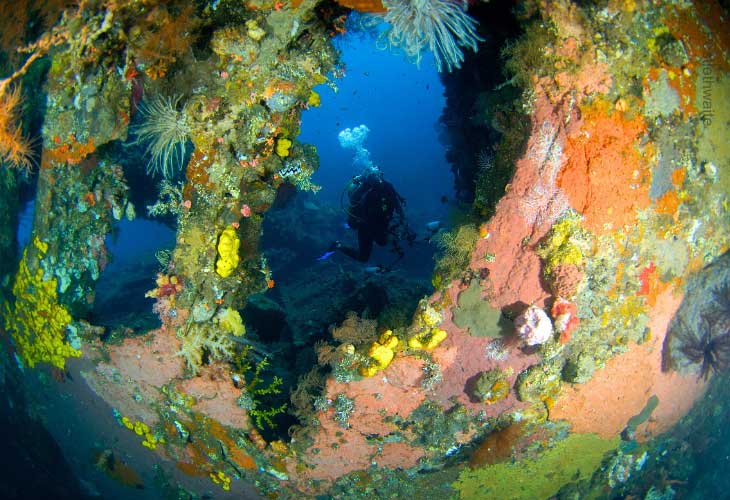
At first, small fish and invertebrates gather around the structure for protection. Soon after, algae and microorganisms begin growing on the surfaces. As conditions stabilise, corals, sponges, and other reef-building organisms attach themselves and expand.

Eventually, artificial reefs transform into complex ecosystems. These communities provide food sources, breeding grounds, and shelter, allowing marine populations to grow naturally.

Supporting Fisheries and Sustainable Tourism

Artificial reefs also support local fisheries by increasing fish populations in targeted areas. When managed responsibly, this can contribute to more sustainable fishing practices.

Additionally, artificial reefs attract divers and snorkellers who want to explore unique underwater environments. This reduces pressure on fragile natural reefs while still allowing people to experience marine biodiversity responsibly. For coastal communities, this creates both ecological and economic benefits.

AMD-B’s-Complete-Installation

Challenges and Responsible Reef Design

Despite their benefits, artificial reefs must be carefully designed and managed. The materials used need to be non-toxic, durable, and environmentally safe. Poor planning can harm marine habitats instead of helping them.

Proper placement is essential so artificial reefs complement existing ecosystems rather than disrupt natural reefs. Regular monitoring ensures the structures function as intended, and maintenance may be required to remove debris or prevent damage.

A Valuable Tool for Ocean Conservation

Artificial reefs demonstrate how thoughtful human intervention can positively support marine environments. By creating habitats, encouraging biodiversity, and supporting sustainable tourism and fisheries, artificial reefs strengthen ocean ecosystems.

Although they cannot replace natural reefs, artificial reefs remain valuable tools in marine conservation, providing marine life with new spaces to grow while helping protect the oceans for future generations.

By Fahmi, AMD-B’s 2024 Divemaster Internship