

Liveaboard Diving in Indonesia: What Divers Should Know
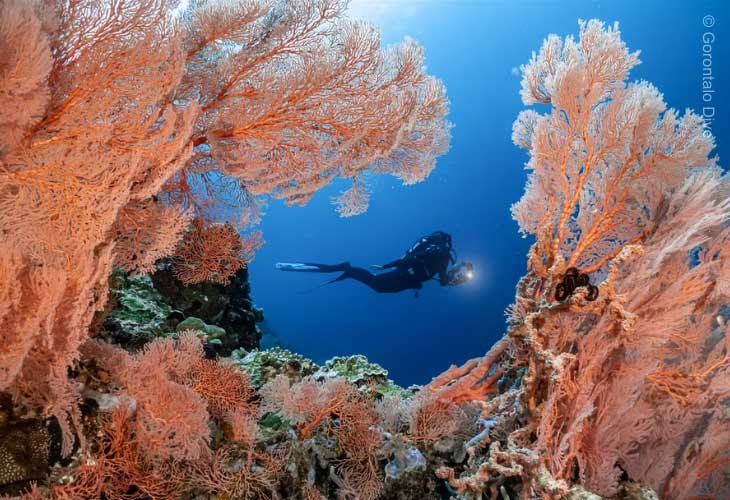
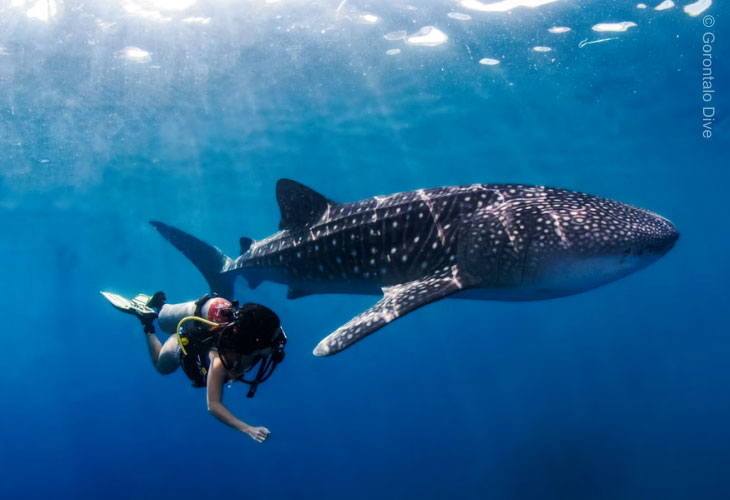
Indonesia is widely recognised as one of the world’s premier diving destinations. Spread across more than 17,000 islands within the Coral Triangle, it offers exceptional marine biodiversity, dramatic underwater landscapes, and world-class dive experiences.
While many divers explore Indonesia through day trips, one of the most rewarding ways to access its remote and pristine dive sites is through liveaboard diving in Indonesia.
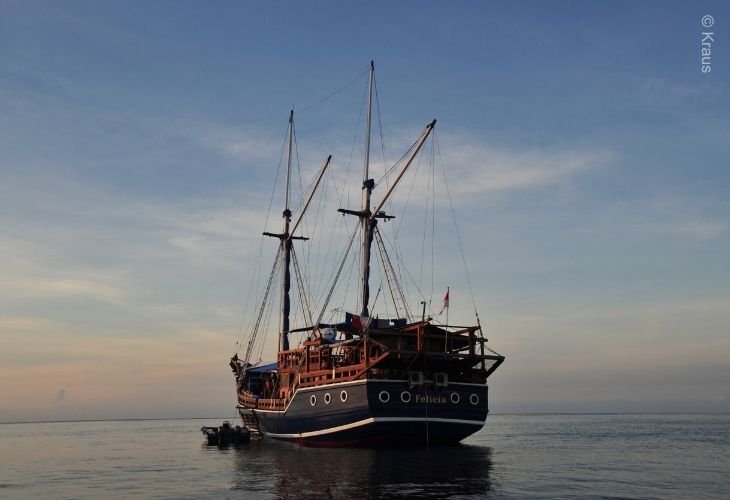
What Is a Liveaboard?
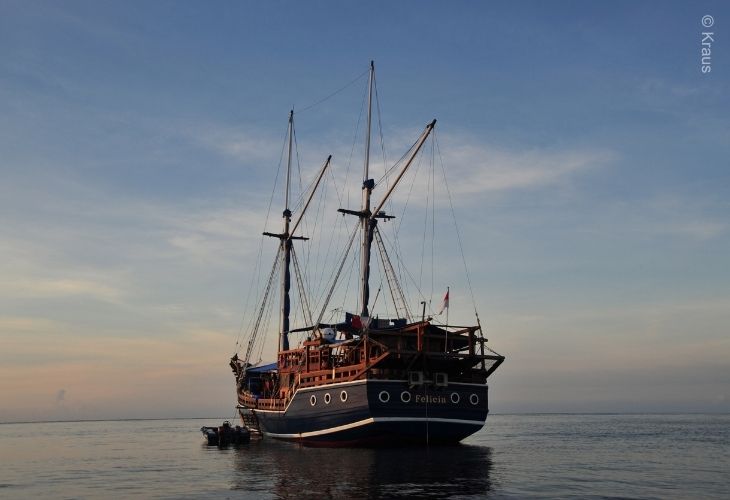
A liveaboard is a floating dive vessel that functions as both accommodation and dive platform.
Divers eat, sleep, and dive directly from the boat as it travels between dive sites and regions. Trips typically range from several days to multiple weeks, depending on the itinerary.
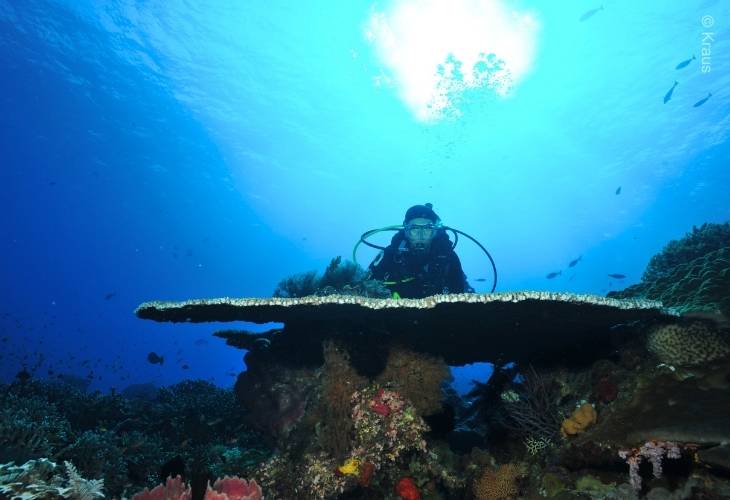
Compared to shore-based diving, a liveaboard allows divers to maximise their time underwater, with most itineraries offering three to four dives per day, including night dives where conditions allow.
Why Choose Liveaboard Diving in Indonesia?
- Access to remote dive sites
Many of Indonesia’s most famous dive regions are remote and difficult to reach from land. Destinations such as Raja Ampat, the Banda Sea, Alor, and Komodo National Park are best explored by liveaboard.
These areas are known for healthier coral reefs, abundant marine life, and minimal diving traffic.
- More diving opportunities
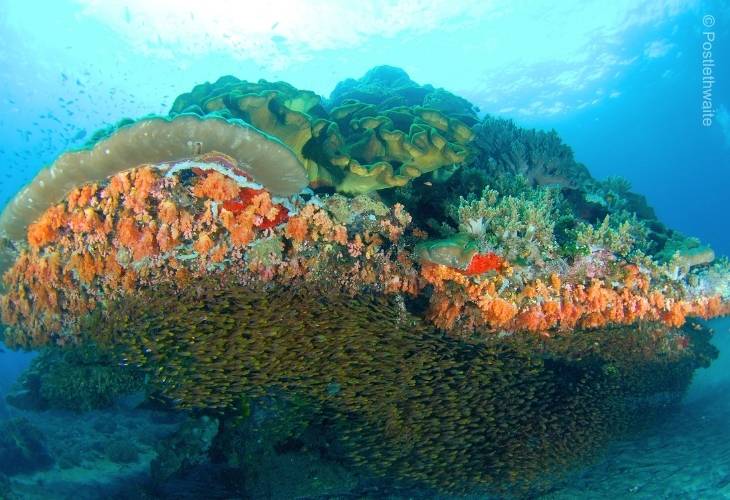
Liveaboards provide multiple dives per day, allowing divers to experience a wide variety of underwater environments in a single trip. These include coral reefs, drift dives, walls, pinnacles, muck diving sites, and wrecks.
- Wake up at the dive site
One of the greatest advantages of liveaboard diving is convenience. Instead of early morning transfers, divers wake up already anchored at the next dive location, ready for the first dive of the day.
Top Liveaboard Diving Destinations in Indonesia
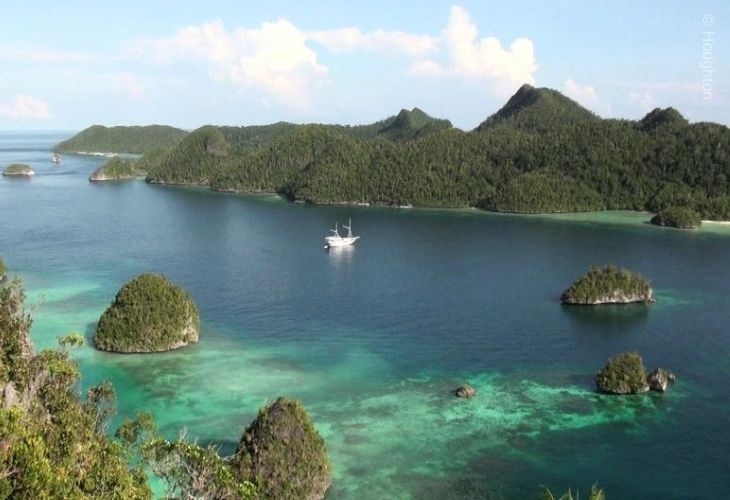
Raja Ampat is often described as one of the most biodiverse marine ecosystems on Earth. It is famous for its pristine coral reefs, large schools of fish, manta rays, and stunning limestone island landscapes.
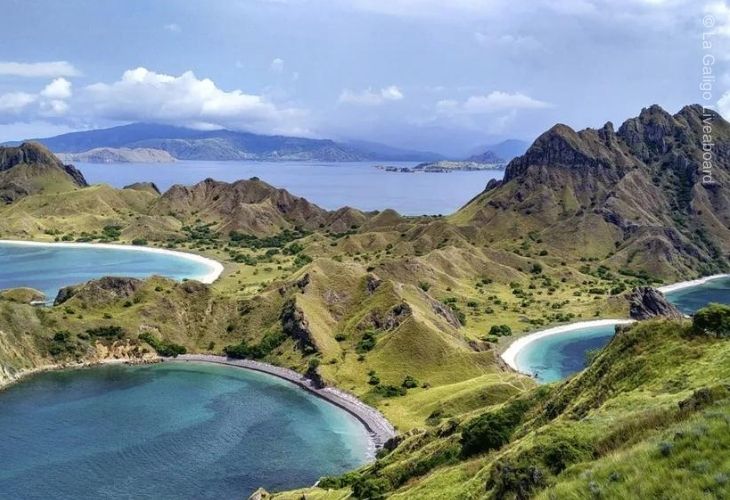
Komodo offers exhilarating drift dives, healthy coral systems, and regular manta ray encounters. Between dives, divers may also visit the famous Komodo dragons.
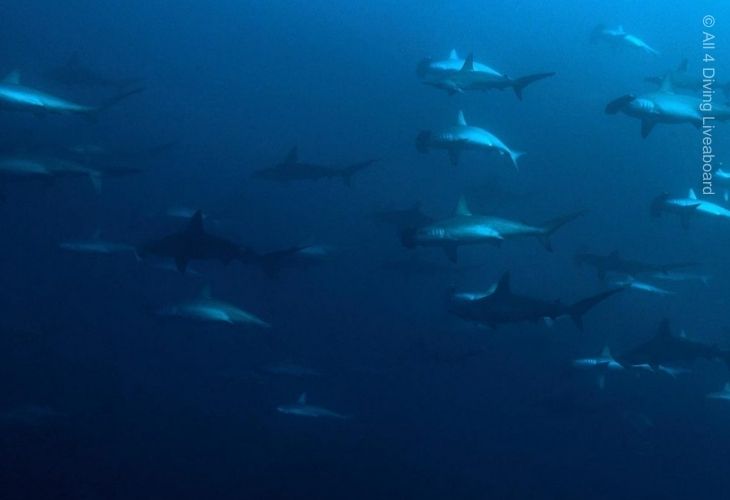
The Banda Sea is known for deep-sea diving, pelagic encounters, and seasonal hammerhead shark sightings. Its remote location ensures pristine and rarely dived reefs.
Alor combines dramatic underwater topography with rich biodiversity. It offers a mix of macro life, colourful reefs, and occasional encounters with larger pelagic species.
Best Time for Liveaboard Diving in Indonesia
There is no single diving season in Indonesia due to its vast geographical spread and varied weather patterns.
Different regions experience different conditions throughout the year. While one area may be affected by seasonal rain, another may offer excellent diving visibility and calm seas.
Because of this, liveaboard operators often follow seasonal routes to ensure optimal diving conditions year-round.
Before booking, it is recommended to check with an AquaMarine Diving – Bali’s Dive Travel Consultant regarding water temperature, visibility, and expected marine life during your travel period.
What Experience Level Do You Need?
Not all liveaboard diving trips in Indonesia are suitable for beginners, as many sites feature strong currents, deeper profiles, and remote locations with limited access to medical facilities.
As a general guide:
– Beginner divers should select itineraries with calmer conditions and minimal current exposure.
– Advanced Open Water divers can access a wider range of dive sites and regions.
– Experienced divers with drift diving experience are best suited for areas such as Komodo and parts of Raja Ampat.
Ready to Experience Diving in Indonesia?
👉 Check out our Monthly Liveaboard Special Offers and secure your next liveaboard journey in Indonesia.
By Nanda, AMD-B’s 2026 Divemaster Internship