

Scuba Skill: Neutral Buoyancy

Neutral Buoyancy

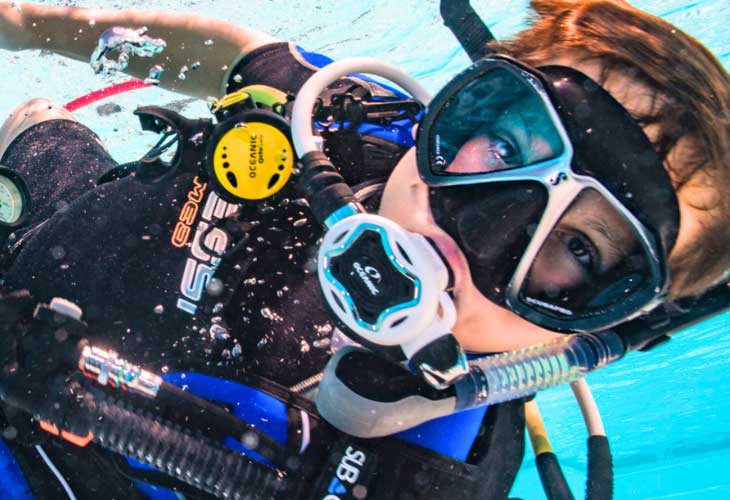
Neutral buoyancy is often considered the ‘holy grail’ of scuba diving skills. It is the ability to hover effortlessly in the water without sinking to the bottom or floating to the surface. Not only does mastering neutral buoyancy make your dives smoother and more enjoyable, but it also helps protect the underwater environment, conserve your energy, and improve your air consumption.

Let’s dive into what it takes to achieve this essential skill and how to fine-tune it underwater.

Check Weight Setup

Achieving neutral buoyancy starts before you even enter the water. Begin by checking your weight setup—wearing too much weight makes it harder to stay neutrally buoyant, while too little will keep you floating upward. Perform a buoyancy check at the surface: with an empty BCD and a normal breath, you should float at eye level.

Once underwater, use your lungs and breath control as your main adjustment tool. Small, slow breaths help you rise and fall gently. Use your BCD only for major adjustments during descent or ascent—not for constant tweaking.

Practice hovering in the water column with minimal movement. It takes time, but the more you practice, the more natural it becomes.

Neutral-Buoyancy

Streamline Your Gear

Loose or bulky equipment can throw off your balance and increase drag, making it harder to stay neutrally buoyant. Keep hoses tucked in, clip accessories close to your body, and avoid unnecessary gear that adds drag.

A streamlined setup not only helps with buoyancy but also reduces the chance of damaging coral or disturbing marine life when you pass by close structures like walls or wrecks.

Trimming

Trimming refers to how your body is positioned in the water. Ideally, you should be horizontal and flat, like you are lying on a table. This posture helps you move efficiently with less effort and gives you better control.

Uneven trim—like having your feet lower than your head—can cause you to struggle with staying level or result in upward/downward movement while finning. Adjust your weight distribution, tank position, or gear setup to find your ideal trim.

Practice Hovering

Find a calm spot on your dive and try hovering a few feet off the bottom without moving your fins or arms. Use breath control to stay in place. This drill builds confidence and control over your position in the water.

Try hovering in different positions: upright, horizontal, or even upside down to gain better awareness of your buoyancy and body position.

Practice-Hovering

Fine-Tune on Every Dive

Neutral buoyancy is not a one-time skill—it requires ongoing adjustment depending on your depth, exposure suit, tank weight, and dive conditions. You will need to re-tune throughout your dive, especially as your tank gets lighter and you become more positively buoyant.

Be mindful of small changes and keep practising. The more dives you do, the more your body will instinctively adjust to stay balanced.

PADI Peak Performance Buoyancy Specialty

Neutral buoyancy is what separates good divers from great ones. It takes patience, awareness, and regular practice—but the rewards are worth it. From effortless gliding through coral gardens to longer bottom times and better air use, mastering this skill opens up a whole new level of diving enjoyment.

If you want structured training, consider taking a Peak Performance Buoyancy speciality course. The course provide focused practice, professional guidance, and feedback to help you improve quickly and confidently.

AquaMarine Diving – Bali’s PADI Peak Performance Buoyancy Specialty (PPB) is the ideal course for divers wishing to perfect their skills in balance, movement and breathing underwater.

Buoyancy-Speciality-Course

PADI Peak Performance Buoyancy Specialty Course

Click below for more PADI Dive Courses Information:

By Hafid, AMD-B’s 2025 Divemaster Intern
Diving Tips: Different Ways to Equalise

Equalising is Important for Divers

by Alfari, AMD-B’s 2025 Divemaster Intern

When you’re exploring the underwater world, one of the most essential skills to master is equalising. As you descend or ascend in water, the pressure on your body increases or decreases, affecting air spaces such as your ears, sinuses, and mask. To ensure comfort and safety, divers need to equalise these air spaces to prevent discomfort, injury, or barotrauma (damage caused by changes in pressure). Here are different methods of equalising that you can use to make your diving experience more enjoyable and safe.

Equalising-is-Important-for-Divers

Equalisation Techniques in Diving

The Valsalva Maneuver

The Valsalva maneuver is the most commonly used technique to equalise during a dive. It involves pinching your nose shut and gently blowing air through your nose, which increases the pressure inside the Eustachian tubes, allowing air to enter the middle ear.

How to Perform:
– Pinch your nostrils closed;
– close your mouth;
– gently exhale through your nose (not forcefully) until you feel a slight pop or pressure equalisation in your ears.

When to Use: The Valsalva maneuver is typically used during the descent and ascent, especially if you feel any discomfort or fullness in your ears.

The Frenzel Maneuver

The Frenzel maneuver is a more advanced equalisation technique that can be effective for those who find the Valsalva maneuver difficult or ineffective, particularly at deeper depths. It involves using the muscles at the back of the throat to push air into the middle ear.

How to Perform:
– Pinch your nostrils closed;
– close your mouth;
– contract the muscles at the back of your throat (as if you are trying to make a “k” sound) to push air into the Eustachian tubes.

When to Use: The Frenzel maneuver is especially useful for deep diving, as it can be more effective at higher pressures where the Valsalva may not work as well.

Jaw Wiggling and Yawning

For some divers, especially at shallow depths or when equalising isn’t working with traditional methods, jaw wiggling or yawning can help to equalise the ears naturally.

How to Perform:
– Move your jaw up and down or side to side as if you’re chewing;
– you can also try yawning, which helps open the Eustachian tubes.

When to Use: This method can be particularly useful for those who are in shallow waters or when you feel slight pressure changes but don’t want to force any of the other techniques.

Best-Practices-for-Equalising

Best Practices for Equalising

1. Equalise Early and Often: Start equalising before you feel any discomfort and continue to do so regularly throughout your descent and ascent.

2. Descend Slowly: Descending too fast can make it harder to equalise in time. Always control your decent rate.

3. Do Not Force It: Never force air into your ears if you’re not able to equalise. Forceful attempts can cause injury. If you can’t equalise, ascend a few feet and try again.

In conclusion, equalising is a vital skill for all divers to ensure safe and enjoyable underwater experiences. Different equalisation techniques work better for different people, so experiment with each method and find what works best for you. Always remember to equalise early and often to prevent discomfort, and if you feel any pain or difficulty, it’s important to stop and seek guidance from your dive instructor. Happy diving!

Why You Should Learn To Scuba Dive?

Learn To Scuba Dive

by Fahmi, AMD-B’s 2024 Divemaster Internship

Scuba diving is an exciting and unique activity that lets you explore the underwater world. Whether you’re interested in marinelife, underwater landscapes, or simply enjoying a new hobby. Learning to scuba dive offers many benefits. Here are six reasons why you should learn to scuba dive:

Learn-To-Scuba-Dive-with-AquaMarine-Diving-Bali

Discovering a New World

Learning to scuba dive opens up a whole new world beneath the waves. The ocean is full of amazing creatures, colorful coral reefs, and fascinating shipwrecks. By diving, you get the chance to see these wonders up close and experience the beauty and diversity of marinelife. This underwater adventure is something you can’t find anywhere else.

Health and Fitness Benefits

Scuba diving is also great for your health. It’s a full-body workout that strengthens your muscles, improves your flexibility, and boosts your cardiovascular health. The breathing techniques used in diving can help improve your lung capacity and overall respiratory health. Plus, being underwater can have a calming effect, reducing stress and promoting mental well-being.

Building Confidence and Skills

Learning to scuba dive helps build confidence and develop new skills. You’ll learn how to handle dive equipment, navigate underwater, and communicate with dive buddies. These skills can translate into better problem-solving abilities and increased confidence in other areas of your life. Overcoming challenges underwater can make you feel more capable and self-assured.

Discover-Scuba-Diving

Environmental Awareness

Scuba diving can also make you more aware of environmental issues. Seeing the effects of pollution and climate change on marine ecosystems firsthand can inspire you to take action to protect the ocean. Many divers become passionate advocates for marine conservation and participate in activities like underwater clean-ups and conservation projects.

Social Connections

Scuba diving is a social activity that allows you to meet people from all over the world. Joining a dive club or participating in dive trips can help you make new friends and share amazing experiences. The diving community is welcoming and supportive, offering opportunities to connect with like-minded individuals who share your passion for the underwater world.

Travel Opportunities

Scuba diving can take you to some of the most beautiful and exotic places on Earth, and Bali is no exception. From the crystal-clear waters of Nusa Penida to the vibrant reefs of Amed, Bali offers incredible dive sites that provide unforgettable experiences. Traveling to these dive spots allows you to explore new cultures and environments while enjoying the thrill of diving.