

Safety Stops and Surface Intervals

Safety Stops and Surface Intervals: Why They Matter for Every Diver

Scuba diving allows us to explore an incredible underwater world, but every dive also comes with physiological changes that our bodies need time to adapt to. Two of the simplest yet most important diving practices, safety stops and surface intervals, help reduce stress on your body and contribute to safer diving.

Whether you’re a newly certified diver or someone with hundreds of logged dives, understanding why these practices matter will make you a smarter and safer diver.
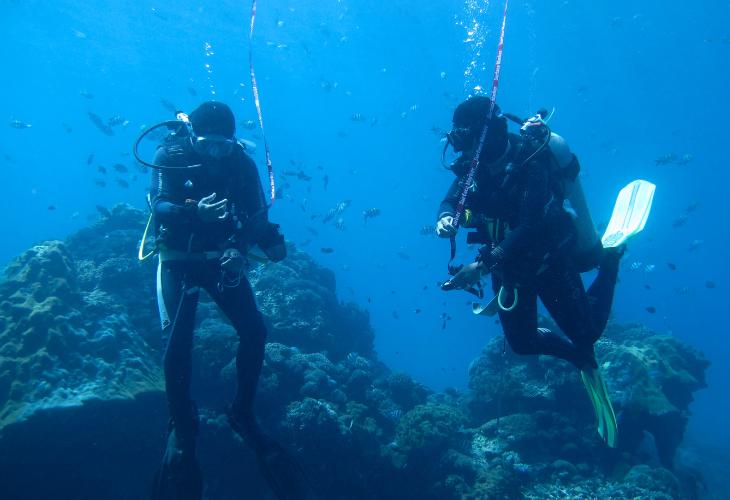
safety-stops-and-surface-intervals

What Is a Safety Stop

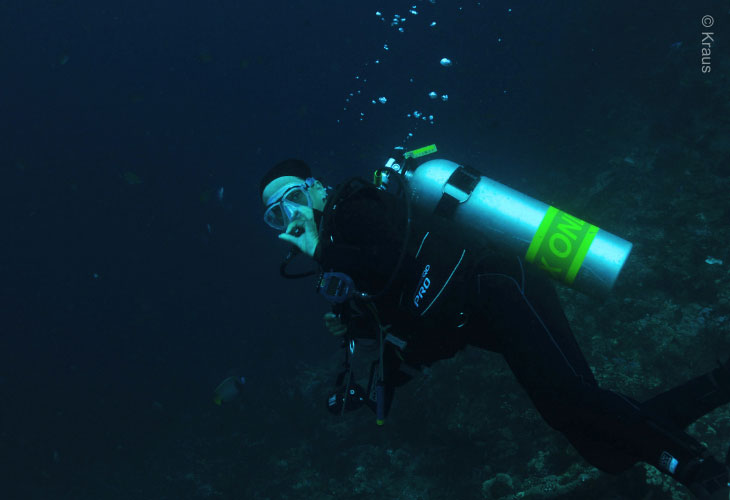
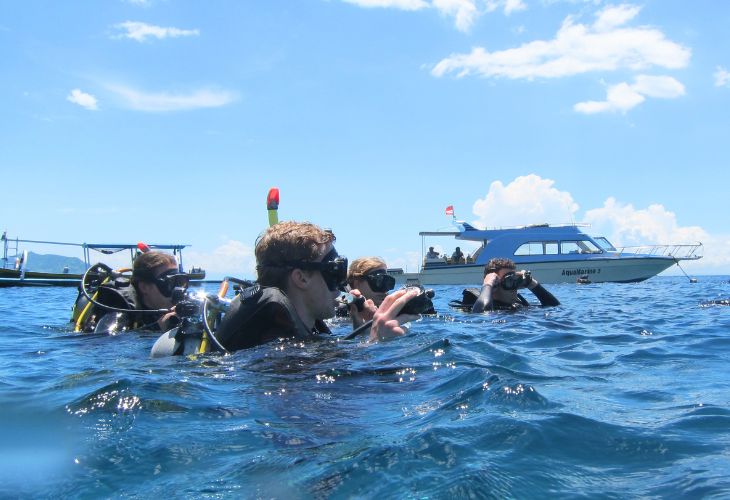
A safety stop is a voluntary stop made near the end of a dive, typically at 5 metres (15 feet) for 3 minutes, before surfacing. Although recreational dives that stay within no-decompression limits don’t require mandatory decompression stops, a safety stop provides extra time for your body to eliminate excess dissolved nitrogen. Think of it as giving your body a little extra margin of safety before returning to the surface.

Why Does a Safety Stop Matter

During a dive, increased pressure causes your body to absorb nitrogen from the breathing gas. As you ascend, that nitrogen needs to leave your body gradually. A safety stop helps by:
– Allowing more nitrogen to be released slowly.
– Reducing the stress of ascending directly to the surface.
– Encouraging better buoyancy control.
– Giving divers a chance to check their surroundings before surfacing near boats or in rough surface conditions.

While it’s not a guarantee against decompression sickness (DCS), making a safety stop is a simple habit that adds an extra layer of safety to every dive.
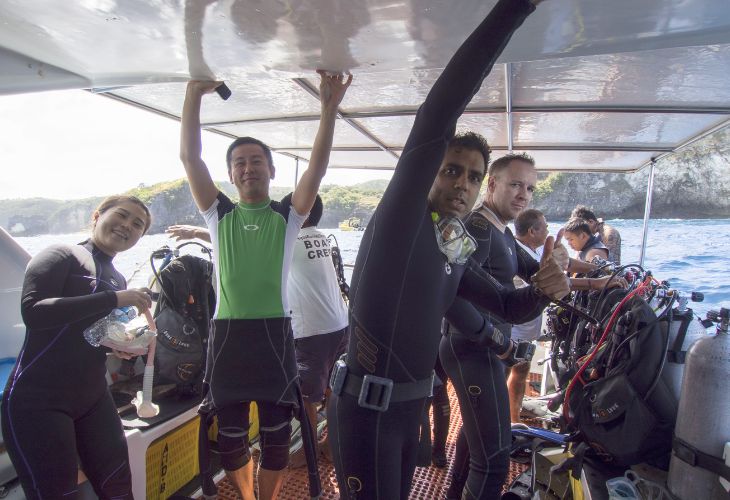
divers-surface-intervals

What Is a Surface Interval

A surface interval is the time you spend out of the water between dives. During this period, your body continues releasing the nitrogen absorbed during the previous dive. The longer the interval, the more nitrogen your body eliminates before the next dive. Your dive computer continuously tracks this process and uses it to calculate your no-decompression limits for subsequent dives.

Why Are Surface Intervals Important

Many divers enjoy completing two or even three dives in a day. Without enough recovery time between dives, residual nitrogen accumulates, reducing the amount of bottom time available on later dives. Proper surface intervals help to:
– Lower residual nitrogen levels.
– Increase safety for repetitive dives.
– Reduce fatigue between dives.
– Allow time to rehydrate, enjoy a light snack and prepare your equipment.

Remember, diving isn’t a race. A relaxed break between dives often makes the next dive more enjoyable.

Great divers aren’t defined by how deep they go or how long they stay underwater—they’re recognised by the safe habits they practise on every dive. A 3-minute safety stop and a proper surface interval may seem like small parts of the dive, but they play a significant role in helping your body recover and preparing you for your next underwater adventure.
Divers-End-of-Dives

Experience safe diving from your very first dive with PADI Discover Scuba Diving.

PADI Discover Scuba Diving

By Nanda, AMD-B’s 2026 Divemaster Internship
The Benefits of Taking a Nitrox Course

Nitrox Course Benefits: Why Divers Choose Enriched Air Nitrox

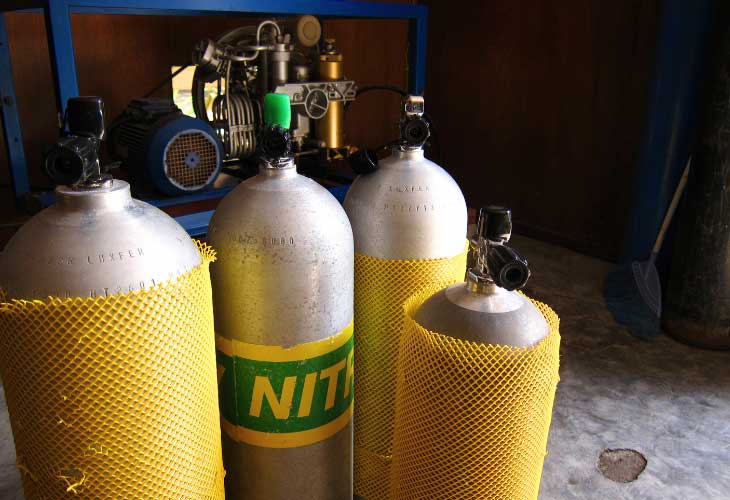
Nitrox course benefits are one of the main reasons many recreational divers choose to dive with enriched air. Enriched Air Nitrox, often shortened to EANx, contains a higher percentage of oxygen and less nitrogen than regular air. This difference can provide several useful advantages underwater, especially for divers who plan to dive frequently.

For many divers, learning to use Nitrox is a simple step that can make diving more efficient and comfortable.

Nitrox-Course-Benefits

Longer Bottom Time

One of the biggest Nitrox course benefits is the ability to extend bottom time. Because Nitrox contains less nitrogen than standard air, your body absorbs less nitrogen during the dive.

With reduced nitrogen absorption, divers can often stay within no-decompression limits for longer periods. This means you may be able to spend more time exploring the reef before needing to ascend.

This advantage is particularly useful for underwater photographers or divers who want more time to observe marine life.

Better for Multiple Dives

Another important Nitrox course benefit is how helpful it can be when doing multiple dives in a day. Since the body absorbs less nitrogen, surface intervals can be more efficient, and repetitive dives may feel less restrictive.

Many liveaboards and dive centres recommend Nitrox for this reason, as it allows divers to manage nitrogen exposure more effectively across several dives.

Using Nitrox can also reduce the risk of decompression sickness when dive profiles are planned correctly.

Feeling Less Tired After Diving

Many divers say they feel less fatigued after diving with Nitrox. While experiences vary from diver to diver, the reduced nitrogen build-up may contribute to feeling more refreshed after a day of diving.

For divers doing several dives in a single day, this can make the overall experience more enjoyable and comfortable.

Why-Take-a-Nitrox-Course

Why Take a Nitrox Course?

Although Nitrox offers several advantages, it does require proper training. In a Nitrox course, divers learn how to analyse the oxygen content in their tanks, understand maximum operating depths, and manage oxygen exposure safely.

Breathing oxygen-rich gas at depth requires awareness and proper dive planning, but these skills are straightforward to learn during the course.

Once certified, many divers find Nitrox easy to use and appreciate the added flexibility it offers. For divers who frequently make multiple dives in a day, a Nitrox certification can be especially useful. It is a simple course that can make future dives longer, safer, and more comfortable.

PADI Nitrox (Enriched Air) Course

Click below for more PADI Dive Courses Information:

By Fahmi, AMD-B’s 2024 Divemaster Intern

Children and Diving: Start Your Child’s Underwater Adventure with PADI

PADI Youth Diving Programmes

Scuba diving isn’t just for grown-ups—children can dive too! Through PADI’s youth programmes, kids can safely explore the magic of the underwater world while learning about ocean life, teamwork, and self-confidence.

From first bubbles in a pool to their first open-water dive, every experience is guided by professional PADI instructors who make safety and fun the top priorities. Diving becomes more than an activity—it’s a journey of discovery.

Children-and-Diving

Bubblemaker – The First Splash (Age 8+)

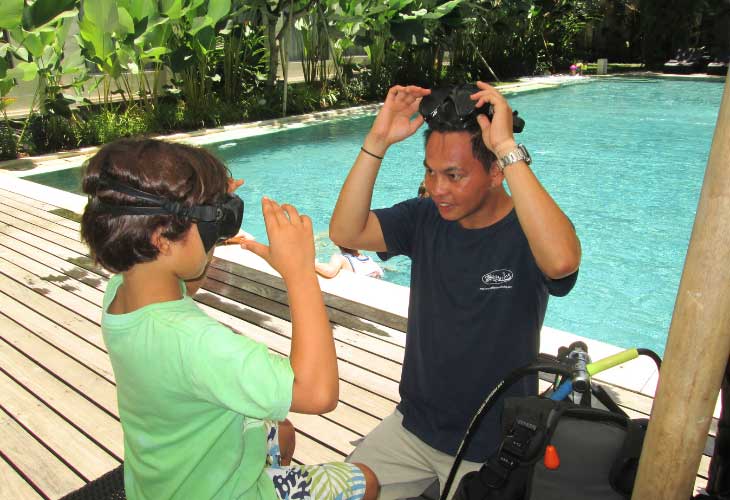
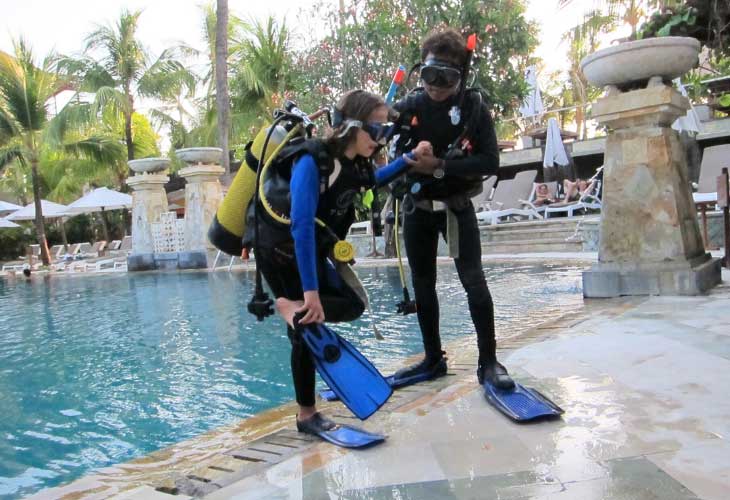
The PADI Bubblemaker programme is the perfect way to introduce children to diving. Held in a shallow pool, this fun and easy experience lets kids take their first breaths underwater using real scuba gear. There’s no pressure to learn technical skills—just pure excitement, laughter, and bubbles!

Many divers trace their lifelong passion back to this very first splash.

PADI Seal Team – Learning Through Fun (Age 8+)

Once your child is comfortable underwater, the PADI Seal Team takes the fun to the next level. Through exciting “AquaMissions,” kids learn diving basics, practise buoyancy, and explore marine conservation themes—all while having a great time.

Each mission builds confidence, curiosity, and a deeper connection with the ocean. It’s an ideal next step before moving on to real open-water diving.

PADI-Bubblemaker-Programme

Junior Open Water Diver – The Real Adventure Begins (Ages 10–14)

For young explorers ready for the real thing, the PADI Junior Open Water Diver certification opens up the ocean world. The course follows the same structure as the adult version, but with depth limits to ensure safety:

  • Ages 10–11: Up to 12 metres (40 feet)
  • Ages 12–14: Up to 18 metres (60 feet)

This is where the adventure truly begins—your child can join supervised dives alongside adults or PADI professionals and experience the thrill of real underwater exploration.

Building Ocean Awareness and Responsibility

Diving helps children see the ocean differently. Through direct experience, they learn why protecting marine life and reducing pollution matter. PADI’s youth courses naturally encourage eco-awareness, turning young divers into passionate ocean advocates.

PADI-Junior-Open-Water-Diver

Why Start Young?

Starting diving early helps children grow in confidence, patience, and respect for nature. It’s also a wonderful way to create lasting family memories—sharing dives, stories, and underwater adventures together.

Whether your child dreams of becoming a marine biologist or simply loves the sea, PADI’s youth programmes offer the perfect start to their underwater journey. Every bubble they blow brings them closer to becoming the next generation of ocean guardians.

Ready to Begin?
Give your child the chance to experience the magic of the ocean!
Contact us today to learn more or book their first PADI Bubblemaker or Junior Open Water Diver session. Let’s make their first dive unforgettable—because every young explorer deserves to discover what lies beneath the surface. 🌊

PADI Junior Open Water Diver Course

Click below for more Children’s Diving in Bali Information:

By Hafid, AMD-B’s 2025 Divemaster Intern