

Wakatobi

The Wakatobi Island Group

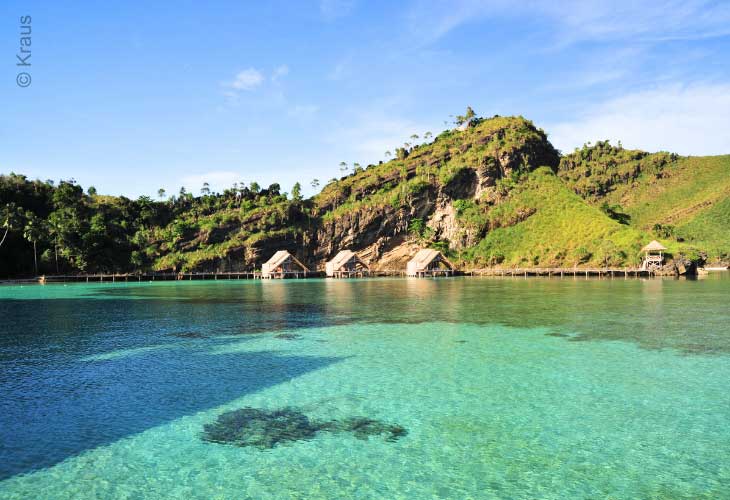
The Indonesian archipelago has many of the world’s greatest dive locations, one of which is ‘Wakatobi’ located in the centre of the Coral Triangle.

Rising from the depths of the Banda Sea, south east of mainland Sulawesi, the name ‘WaKaToBi’ comes from the names of four islands: Wangi-wangi, Kaledupa, Tomia, Binongko.

The Wakatobi islands have been a marine conservation area since 1996 and were declared a National Park in 2002. They are recognized as having one of the highest numbers of coral reef fish species in the world. Wakatobi also has the largest barrier reef in Indonesia, second only to The Great Barrier Reef in Australia.

Being a National Marine Park, fishing is strictly limited. These superb reefs are supported and protected by the local fishing communities. In exchange for adopting more sustainable practices, including no-fishing zones, the fishermen receive a share of the income generated by Wakatobi Dive Tourism.
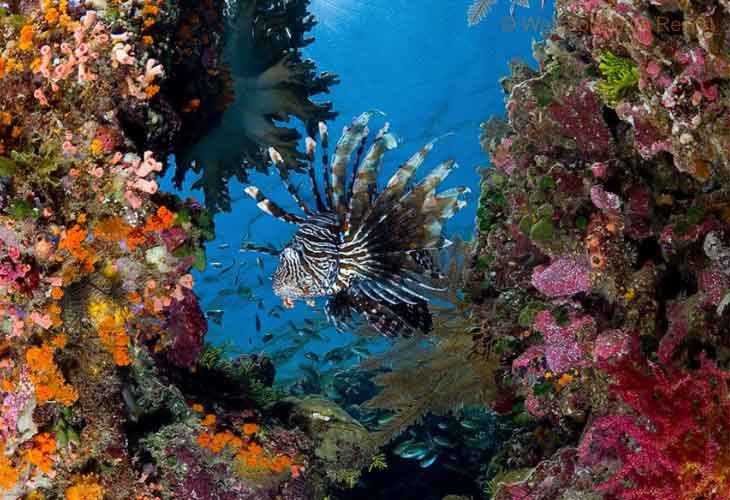
Wakatobi-Island-Lionfish

Diving with Wakatobi Dive Resort

Wakatobi Dive Resort and their liveaboard, Pelagian, offer more than 50 spectacular dive sites. These range from The House Reef where the warm water and shallow depth allow for long dives (although there can sometimes be a current) to gorgeous bays and lagoons, as well as dramatic walls and drop-offs abounding with seafans and gigantic sponges. Famed for night-diving due to the brilliantly coloured corals and resident marinelife, the reef edges attract great numbers of fish. The coral gardens bristle with large bommies and tubstrea corals. Large table corals shelter stingrays as well as invertebrates and crustaceans.

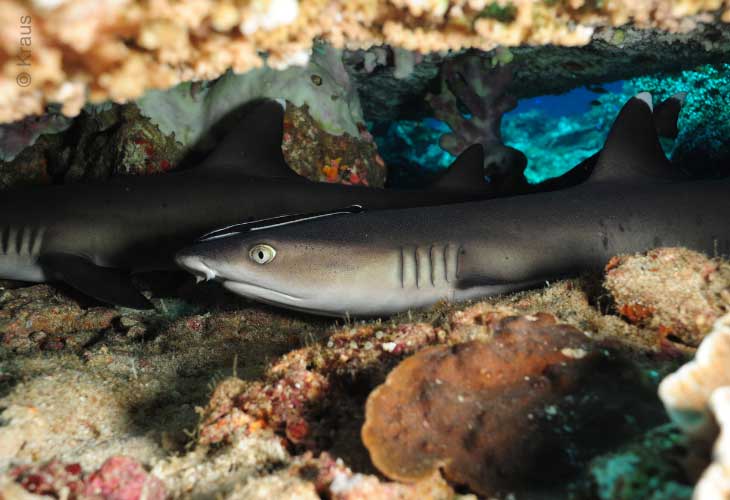
Wakatobi is ideal for divers who love macro underwater photography. Make sure you check out the muck diving in Pasarwajo 🙂 There aren’t many big fishes here although you will see Black-tip reef sharks at several dive sites.

The temperature range in Wakatobi is 26-29°C.
Rainy season is October to April.
Visibility remains consistent at approx 30m year-round.

All charter flights to/from Wakatobi Dive Resort & Liveaboard are Bali-Wakatobi-Bali return, and are currently on a Monday and Friday schedule.

If the above whets your appetite and, like so many of our other ‘Bali & Beyond’ guests, you can’t wait to start planning – please contact your friendly AMD-B Dive Travel Consultant on Tours@AquaMarineDiving.com today to start YOUR planning!

Wakatobi-Dive-Resort

Raja Ampat

Raja Ampat: Wild West of Scuba Diving

Raja Ampat is still the Wild West (well, East if you’re in Indonesia) of Scuba Diving.

We’re all aware of Raja Ampat’s beauty topside, the pristine corals, diversity of marinelife, tropical climate, the unrivalled smiles of the local people – everything needed to become a huge magnet for adventurers.

Thankfully, despite its growing fame, Raja Ampat is not yet on the tourist or backpacker trails. However, visiting remote islands and communities means a lack of local homestays and amenities.

If as a diver, you prefer land-based, imagine an eco-friendly environment in a secluded area. Escape from ‘the crowds’; the continual hum of your everyday life will be replaced by birdsong, the breeze in the coconut palms, and waves on the shore. What bliss!

If you love the biodiversity part of Raja Ampat but prefer more ‘home comforts’, you could choose an upmarket dive resort or liveaboard. Please ask my Dive Travel Consultants for recommendations.

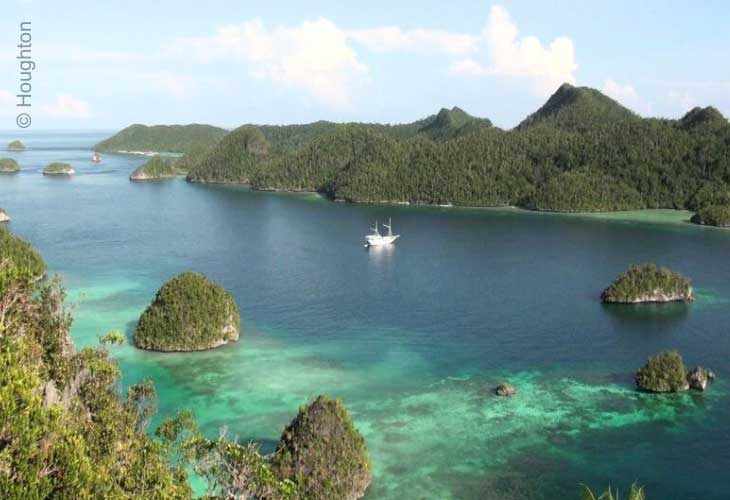
Raja-Ampat-Scenery

Diving in Raja Ampat

Diving-wise, Raja Ampat can be divided into two areas: North and South.

North Raja Ampat centres around Mansuar Island and the Dampier Strait; this is where you’ll find most of the dive resorts. Here you can explore famous dive sites such as Chicken Reef – nowhere is known to be ‘sharkier’ (including Wobbegongs!) or more accessible. If you are coming for Manta, Manta Sandy is best October – April. For muck and macro (although the Tulamben area in NE Bali is hard to beat), we’ve heard 12-20m depth on Saporkren Jetty at Waigeo island is incredible: Bobtail squid, flying flatworms, Boxer crabs, Colemani shrimp, and more!

Misool is located to the south of the main islands. Compared to North Raja Ampat, Misool offers better visibility and gorgeous soft corals. The highlights at Magic Mountain are barracuda and Napoleon wrasse but this is also the place where you’ll encounter giant black Pacific Manta rays. All other dive sites are now within the marine reserve meaning the shark and fish populations grow every year.

Raja-Ampat-Misool

Diving Seasons

The north of Raja Ampat is more sheltered therefore it’s diveable year-round. The ‘rainy seasons’ are November – December and July – August. For the Misool area, resorts are closed June-September due to rough seas and high waves

In short, everywhere in Raja Ampat is phenomenal! Let us know how we can help you start your planning!

Raja-Ampat-White-Tip-Shark

Lembeh Strait

Lembeh Strait

If you ask where in Indonesia you should go for a muck diving, we would recommend Bali, Lembeh, Wakatobi, Ambon, or Alor. Depends on how you set up your agenda, these destination can be pieced altogether and you can have them all in one go. Given a limited budget and time availability, you can narrow down your options between Bali or Lembeh (or maybe both!) Anyway, let’s talk more about Lembeh.

Lembeh-Strait-Diving

How to Reach Lembeh

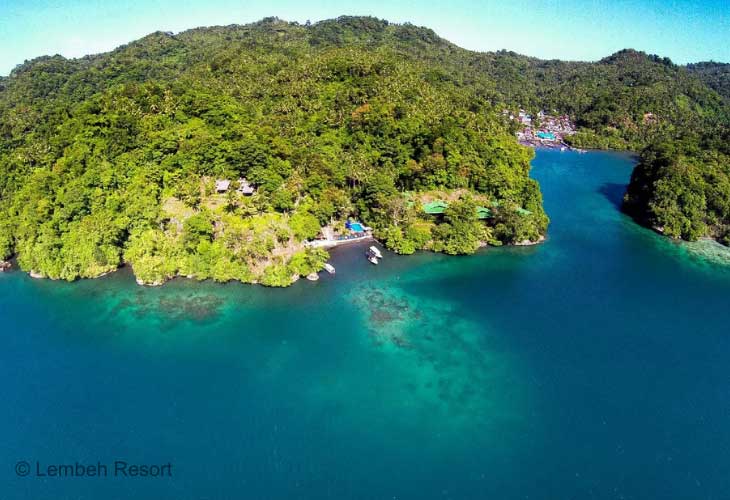
Lembeh is an island in north Sulawesi, located across the town of Bitung. The strait that forms between Lembeh island and Bitung is a haven to many critters hence it famously known as Lembeh Strait.

To get here, normally you can choose to fly to Manado through Singapore or you can go via Jakarta or Bali with a domestic flights. If an airport transfer is inclusive in your purchased package, your resort would pick you up straight from Manado airport, land transport you to Bitung and cross over to Lembeh island with a boat if the resort is in the island. There are also several resort that are located in Bitung and you might only need to get on the boat in your diving days.

Lembeh-Sea-Dragon

Diving in Lembeh

September to October is known to be the most popular time of visit. Whilst December to February is rainy season, it does not pour much in Lembeh compared to other regions in Indonesia – visibility is not bad either and that it does not affect the diving much. Currents are typically mild to zero so you would expect a relaxed dive trip.

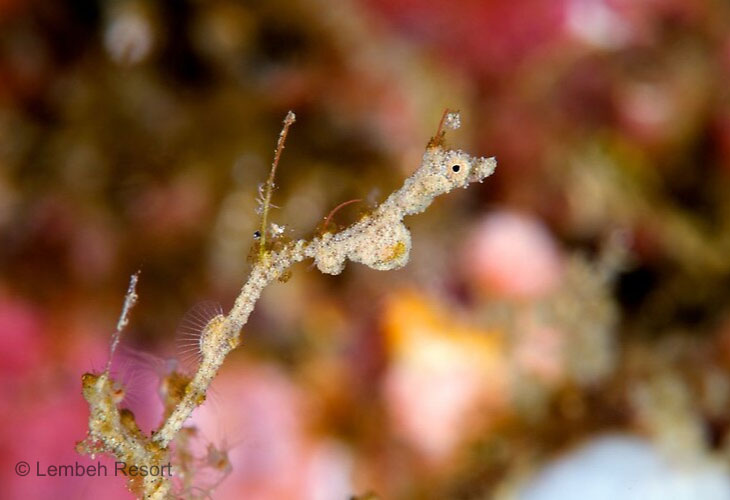
One of the dive sites is known as Nudi Falls. As it name indicates, the site is a home to a variety of Nudibranches. Sightings here also includes striped eel catfish and features a black-saddled toby, whiteface waspfish, plumstriped waspfish, painted anglerfish (frogfish), banded pipefish, bartail moray, princely volute, leaf scorpionfish, decorator crab, anemone hermit crab, nudibranchs, pygmy seahorse, hornnosed boxfish, crocodilefish, anemone crab, saddleback anemonefish, starry night octopus, reef octopus, dwarf cuttlefish and squid. If you are lucky, you may also encounter Lembeh Sea Dragon in this site.

There are several dive centres that may be able to accommodate your requests and they are also varies in terms of budget and facilities. You may email our Dive Travel Consultant the details that you are looking for and they would be more than happy to recomend/arrange something for you.

Lembeh-Strait-Nudibranch

Non-diving Day in Lembeh

If you prefer to be more adventurous on your non-diving days, you can visit the Tangkoko Nature reserve in Bitung. In here you may encounter the tarsiers, the black macaque monkeys, maleo birds, cuscus and the hornbills.

You can choose to go the extra miles for Minahasa Highland tour to get to know the local culture: From weaving factory, pottery, the macabre local market, the color-changing lake, Chinese temples, and although visiting a cemetery is not everyone’s afternoon tea, Minahasan Ancient Cemetery holds a great historical value that may satiated your curiousity.

Are you ready for both in-land and underwater adventure?