


MARRS: A Revolutionary Technique for Restoring Coral Reefs

MARRS: A Revolutionary Technique for Restoring Coral Reefs

by Mardia, AMD-B’s 2023 Divemaster Internship

The Innovative Approach to Coral Reef Restoration

Coral reefs face numerous threats due to climate change, pollution, unsustainable fishing practices, and human activities. As a result, scientists and conservationists have been actively searching for innovative solutions to restore and preserve these invaluable ecosystems. Various techniques have been developed to increase coral cover on degraded reefs. However, scaling them up to large projects has proven challenging. However, one method that has shown promise is the Mars Assisted Reef Restoration System (MARRS).

AMDB-MARRS-Structure-Instalation

AMD-B MARRS Structure Installation

Uncover the Educational Benefits of the MARSS Technique

The MARRS system consists of hexagonal-shaped structures known as “spiders” or “reef stars.” These structures are made of reinforcing steel rods coated with resin and coral sand to create an environment that encourages corals and other marine organisms to settle. The modular design of the MARRS system allows for flexibility in constructing artificial reef substrates that conform to the contours of existing reefs’ topography.

This restoration method is particularly effective in reef areas dominated by rubble, where the constantly shifting substrate hinders the settlement and growth of baby corals. The reef stars stabilize loose rubble and provide a platform for rapid coral growth and the development of a complete reef ecosystem. The success of the MARRS method has been demonstrated in the MARSS project on Badi Island of Spermonde Archipelago, Makassar. Within just three years, this heavily degraded area transformed into a thriving coral-dominated ecosystem. The live coral cover on the structures increased from less than 10% initially to over 60%, depending on depth, deployment date, location, and disturbances. Furthermore, this restoration site witnessed a threefold increase in fish population and a twofold increase in fish biomass.

AMDB-MARRS-Structure

AMD-B MARRS Structure

AMD-B’s Story

At AquaMarine, we have also adopted the MARRS method in our mini reef garden. This year alone, we have installed 45 reef stars and 810 coral fragments, contributing to the restoration and conservation of coral reefs. The MARRS system represents a significant advancement in coral reef restoration, offering a low-cost, rapid, and scalable solution. However, it is crucial to address the root causes of coral reef degradation, such as climate change, pollution, and unsustainable fishing practice, for long-term conservation.

The Mars Assisted Reef Restoration System (MARRS) is a game-changer in coral reef restoration. By providing a rapid and scalable solution, MARRS offers hope for the preservation and recovery of these invaluable ecosystems. However, it is essential to recognize that MARRS alone is not enough. We must raise awareness, support conservation efforts, and take individual actions to reduce our ecological footprint.

Coral-Reef-Restoration-Partner

AMD-B Coral Reef Restoration Partner

How does Plastic Pollution Impact the Health of Coral Reefs?

How does Plastic Pollution Impact the Health of Coral Reefs?

by Mardia, AMD-B’s 2023 Divemaster Internship

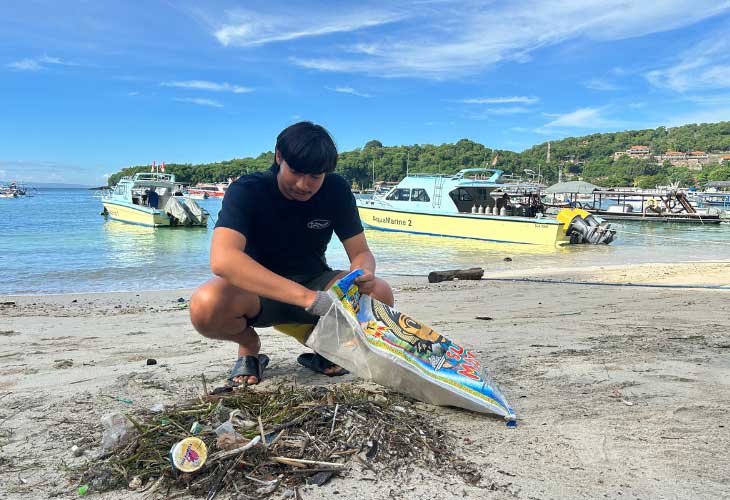
Plastic Pollution Poses a Significant Threat to Coral Reefs

Coral reefs are not just a beautiful sight to behold. They are living, breathing ecosystems that support a vast array of marine life. Despite covering only 1% of the sea floor, coral reefs are responsible for 25% of all marine life. They also play a crucial role in protecting coastal areas and providing employment opportunities to thousands of people in the fishing and tourism industries.

Nevertheless, coral reefs worldwide are currently under threat. The World Resource Institute projects that local human activity, global warming, and ocean acidification will threaten over 90% of the world’s reefs by the 2030s.

Plastic pollution is among the greatest threats to coral reefs, particularly concerning coral disease. According to a study conducted by Lamb et al., published in the Journal of Science, they observed that the prevalence of infection in corals was merely 4% in the absence of any interaction with plastic debris. However, introducing plastic to the reef significantly increased the disease rate, reaching an alarming 89%, representing a twenty-fold escalation.

Plastic-Pollution-Removing-the-Entangled-Sack-on-Coral

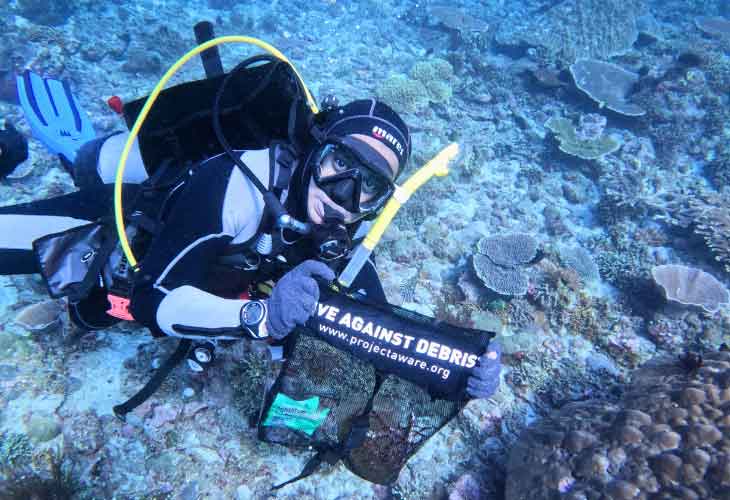
Removing the Entangled Sack on Coral

Impact on Coral Disease

Pathogens that frequently cause disease outbreaks on coral reefs can be found in plastic pollution. Additionally, when plastics come into contact with coral tissues, they can physically harm and abrade the coral’s delicate surface. As coral tries to heal itself, plastic debris can introduce bacteria and make it expend more energy on its immune response. Moreover, plastic waste can smother the coral, covering its surface and obstructing light and oxygen. This condition can lead to anoxic conditions that favor the formation of polymicrobials and lead to black band disease.

Adopting sustainable practices and addressing plastic waste management is paramount in safeguarding these vital ecosystems. By reducing plastic pollution, we can help preserve coral reefs and ensure the well-being of marine life for future generations.

Plastic-Pollution-Broken-Sea-Fan

Broken Sea Fan because of Fishing Net

Group Diving in Bali

Diving/Non-diving Group Scuba Diving in Bali

The combination of diverse dive sites and topside activities makes Bali the perfect holiday destination for Group Scuba Diving in Bali for both divers and non-divers. Your group can experience the diversity of the “Island of the Gods” – visiting smaller communities around the island as you dive, then take the opportunity to enjoy the variety of activities available “topside”. Hotel and resort accommodation is chosen based on your preferences and budget, and giving (those that want it!) ample time to relax and unwind.

At AquaMarine Diving – Bali we are proud to have set the “4 to 1” ratio for divers to dive guide that is now used as the acceptable ratio by other reputable dive companies in Bali. The minimum pro-level of your AMD-B dive guide is PADI Divemaster; over 80% of our dive staff are PADI OWSI or above.

In addition to that low ratio, and due to our reputation for outstanding customer service, AquaMarine has become the favoured Bali dive company for Group Scuba Diving in Bali. We have Dive Travel Consultants who specialise in looking after enquiries/bookings for 5+ guests (a “group” in AquaMarine’s terms).

You will still receive the same high standard of personalised service that you expect from us, and will be consulting with people who have experience organising trips for Group Scuba Diving in Bali (that’s groups of any size), whatever your interests.

Group-Diving-in-Bali-Mola-Mola-Season

Bring Your Group Scuba Diving in Bali

Whether you are a member of a dive club, u/w photography club or a group of friends or family travelling together, AquaMarine will develop a programme to suit all members of your group irrespective of age, experience, needs, divers and/or non-divers. We have a vast amount of experience meeting the needs of every specialist group that comes diving with us.

For example: If you’re a photography group, we will assign you our best spotters; Groups of school children will be taught by instructors experienced in working with young people; Only interested in wrecks, corals, clams or nudibranchs? – just let us know!

Group-Diving-in-Bali