


The Socio-Economic Benefits of Nusa Penida’s MPA to Local Communities

The Socio-Economic Benefits of Nusa Penida’s MPA to Local Communities

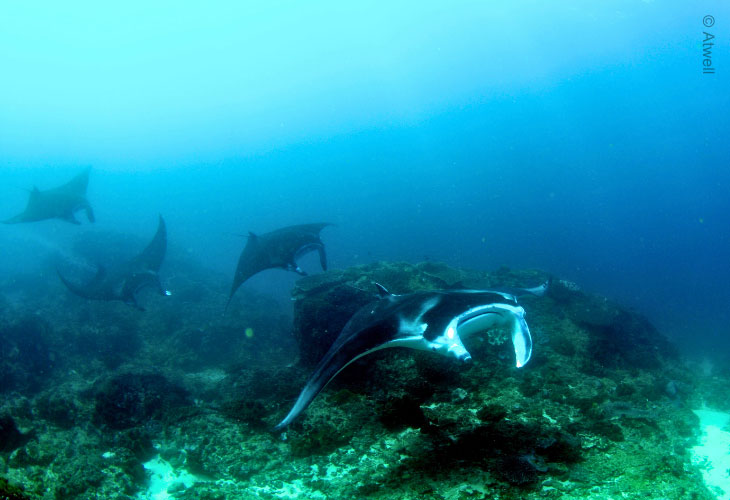
Just a short boat ride from Bali, Nusa Penida is known for its jaw-dropping cliffs, turquoise waters, and those magical manta rays gliding beneath the waves. But beyond the picture-perfect views, there’s something even more inspiring happening here — the island is proving that protecting the ocean can actually help people thrive.

Since being declared a Marine Protected Area (MPA), Nusa Penida has become a real success story — not just for its marine life, but for the local community too. Here’s how it’s changing lives.

Nusa-Penida-MPA-Socio-Economic-Benefits

🐠 1. Tourism That Lifts the Local Economy

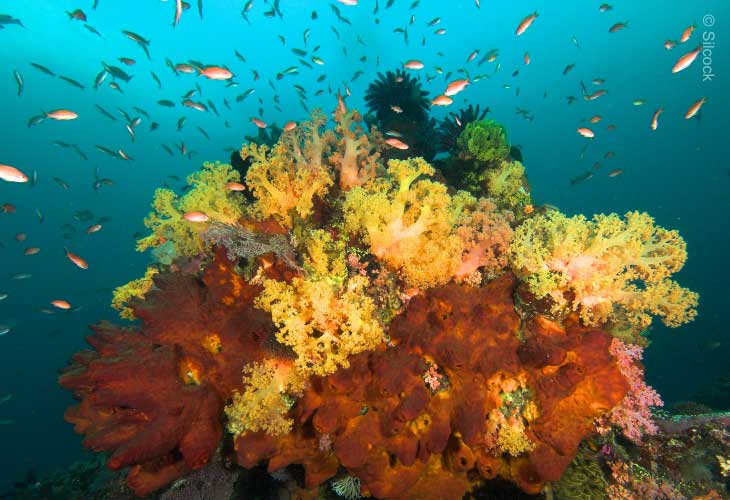
Let’s start with the obvious one — tourism! The MPA has turned Nusa Penida into a hotspot for divers, snorkellers, and nature lovers from all over the world.

Clear blue water, colourful reefs, and the chance to spot Mola-Mola or manta rays? Yes, please.

This steady wave of visitors means more opportunities for locals — from running dive shops and homestays to opening small cafés and tour services. It’s created jobs, boosted family incomes, and given the island’s economy a healthy lift — all while keeping tourism eco-friendly.

🎣 2. Sustainable Fishing and the “Spillover Effect”

Here’s the cool part — the MPA hasn’t just helped tourism; it’s also helped fishers. By protecting key marine zones and limiting overfishing, fish populations inside the protected area have had time to recover.

And then comes the “spillover effect” — as the fish thrive inside the MPA, many move into nearby fishing areas. That means locals can catch more fish without depleting the sea.

It’s a perfect balance between conservation and livelihood — protecting nature while keeping dinner on the table.

Sustainable-Fishing-and-the-Spillover-Effect

🧑‍🔬 3. Research, Conservation & New Opportunities

With so much success, it’s no surprise that Nusa Penida has caught the attention of scientists, NGOs, and conservation groups. Researchers come here to study coral health, fish diversity, and ocean management — all of which helps improve how we protect our seas.

Plus, international funding and local programmes bring training, education, and community projects. This means locals get more chances to learn new skills and take part in managing their own marine environment.

So it’s not just about saving fish — it’s about empowering people too.

🏝️ 4. Better Infrastructure, Better Living

Thanks to tourism and conservation funding, Nusa Penida’s infrastructure is also getting an upgrade.

Roads are smoother, waste management is improving, and there are better schools and healthcare facilities popping up around the island. These improvements make everyday life easier for locals and more enjoyable for visitors.

When a community takes care of its environment, it often leads to a cleaner, happier, and more connected place to live.

A-Model-for-Sustainable-Island-Living

A Model for Sustainable Island Living

The Nusa Penida MPA socio-economic benefits prove that conservation isn’t just about nature — it’s about people, too.

By protecting its coral reefs and marine habitats, Nusa Penida has found a way to grow sustainably, balancing eco-tourism, local jobs, and ocean health.

It’s now a shining example of how small islands can lead big changes — a place where protecting the ocean also protects the community’s future.

By Fahmi, AMD-B’s 2024 Divemaster Internship

Great Reasons to Visit Bali

Great Reasons to Visit Bali – Diving, Culture, Food and More

When people hear that I live in Bali full-time, they usually have one of two reactions — either “Oh wow! Lucky you, permanently on holiday!” or “Isn’t it a big party island?
The truth is, the real Bali lies somewhere between those two ideas.

From incredible diving and rich culture to stunning scenery and mouth-watering food, there are countless reasons to visit Bali — and every visitor discovers their own.

Reasons-to-Visit-Bali-Incredible-Diving

🌊 1. Incredible Diving

For us at AquaMarine Diving – Bali, this one’s at the top of the list. Bali offers something for every diver — from first-timers to seasoned professionals. You can try a PADI Discover Scuba Diving experience, earn your Open Water certification, or explore speciality courses like Manta Awareness.

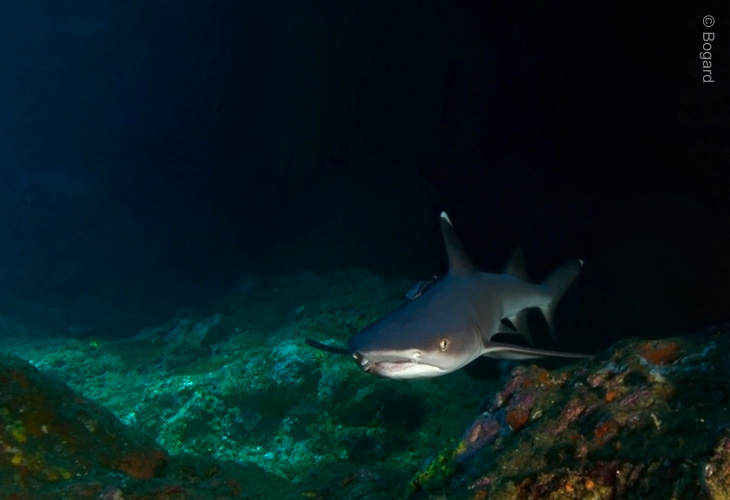
Dive sites include the spectacular USAT Liberty Shipwreck in Tulamben, Menjangan Island’s wall dives, the vibrant reefs around Padangbai and Candidasa (often with reef sharks!), and Nusa Penida’s famous drift dives where you may encounter Mola-Mola (Ocean sunfish) and manta rays.

No matter your level, Bali’s underwater world will leave you in awe.

🕉️ 2. Rich Culture

Bali is Indonesia’s only Hindu-majority island, often called “The Island of a Thousand Temples.” Every village has its own temple, each with centuries of history and deep spiritual meaning.

Visitors can witness colourful ceremonies, local processions, and beautifully adorned offerings — a unique blend of faith, art, and daily life that defines the Balinese spirit.

🌾 3. Gorgeous Scenery

Bali is a feast for the senses: lush green rice terraces, crystal-clear waters, majestic volcanoes, and golden beaches. Whether you’re watching sunrise over Mount Batur or capturing temple silhouettes against a fiery sunset, it’s impossible not to be inspired.

Photographers and nature lovers will find endless beauty to explore — from cascading waterfalls to tropical gardens and remote coastal views.

💞 4. Romance in the Air

Bali has long been known as one of the most romantic places in the world. Stroll hand-in-hand along the beach at sunset, share a candlelit dinner by the sea, or enjoy a private couple’s dive together.

With its tranquil atmosphere and breathtaking scenery, Bali is perfect for honeymoons, vow renewals, or simply reconnecting with someone special.

Bali-Gorgeous-Scenery

☀️ 5. Peace and Relaxation

For those seeking quiet, head away from the busy south and explore the east, west, or north coasts — or the peaceful foothills of central Bali. These regions offer a more traditional, serene side of island life.

At dusk, as the sky glows pink and the air fills with the sound of distant gamelan music, you’ll understand why Bali is a haven for peace and reflection.

🌞 6. Endless Sunshine

Just eight degrees south of the Equator, Bali enjoys sunshine nearly all year round. Even during rainy season, showers are brief and refreshing. With an average of 200 hours of sunshine per month, you’ll have plenty of time for diving, exploring, or simply relaxing by the water.

(Just don’t forget your reef-safe sunscreen!)

Bali-Endless-Sunshine

🤝 7. Warm, Welcoming People

The Balinese are some of the friendliest people you’ll ever meet. Their kindness, smiles, and curiosity make every visitor feel at home. Many speak excellent English and love sharing their island stories.

It’s not unusual for guests to form lasting friendships — another reason so many people return to Bali again and again.

🍜 8. Foodie Heaven

If you love good food, you’ll adore Bali. From spicy local dishes to fresh seafood and vegetarian delights, the island’s culinary scene is both diverse and delicious.

Try satay made from chicken, pork, or fish, sample traditional nasi campur or gado-gado, or enjoy smoothie bowls and gourmet Western dishes at Bali’s many cafés and restaurants.

Reasons-to-Visit-Bali-Foodie-Heaven

Discover the Real Bali

Whether you come for the diving, the culture, the food, or simply to unwind, Bali has a magic that stays with you long after you leave.
These are just a few of the many reasons to visit Bali, and once you’ve experienced its charm, you’ll understand why so many visitors return again and again.

Ready to explore Bali’s incredible underwater world?
👉 Plan your next dive with AquaMarine Diving – Bali and see the island from a whole new perspective.

Bali Diving 1 Day Trip

Click below for more Bali Diving Information:
The Basking Behaviour of Molas

The Basking Behaviour of Molas: An Essential Part of External Parasite Removal

If you’ve ever been diving in Bali and spotted a giant, pancake-shaped fish floating sideways near the surface, you’ve probably encountered a Mola alexandrini — though most divers call it Mola-Mola. These ocean sunfish are truly unique, not only for their odd appearance but also for their fascinating basking behaviour.

Why Do Molas Bask in the Sun?

At first glance, it might seem like Molas are simply relaxing near the surface. In reality, this behaviour is far from lazy — it’s a vital survival strategy. After spending time in the cold, dark depths, basking in shallow water allows them to warm up and, more importantly, visit reef cleaning stations where smaller fish help remove parasites.

The-Basking-Behaviour-of-Molas

The Parasite Problem

Molas are unfortunately prone to carrying a wide variety of parasites, both external and internal. These parasites can cause skin lesions, sores, and infections, making life difficult for the gentle sunfish. Left untreated, they can weaken the fish and leave it more vulnerable to disease.

Cleaning Stations: The Ocean’s Health Clinics

In reef areas, Molas position themselves vertically or horizontally to give cleaner fish — such as bannerfish, butterflyfish, and angelfish — access to their skin and fins. These smaller fish pick off parasites, providing the Mola with much-needed relief while enjoying a nutritious snack in return. It’s a beautiful example of symbiosis in action.

Fascinating-Ritual-of-Parasite-Removal

Observing Molas Respectfully

For divers and snorkellers, witnessing a Mola’s basking and cleaning routine is a truly special experience. However, it’s important to observe from a respectful distance. Disturbing them can interrupt their essential cleaning process — something they rely on to stay healthy.

Ready to see these majestic creatures up close? Join our exclusive 2025 Mola Mola Dive Experience and witness the basking behaviour of Molas in Bali’s crystal-clear waters. 🌊 Secure your place today for a front-row encounter with one of the ocean’s most extraordinary species — an adventure you’ll never forget.

By Mardia, AMD-B’s 2023 Divemaster Internship