

Children and Diving: Start Your Child’s Underwater Adventure with PADI

PADI Youth Diving Programmes

Scuba diving isn’t just for grown-ups—children can dive too! Through PADI’s youth programmes, kids can safely explore the magic of the underwater world while learning about ocean life, teamwork, and self-confidence.

From first bubbles in a pool to their first open-water dive, every experience is guided by professional PADI instructors who make safety and fun the top priorities. Diving becomes more than an activity—it’s a journey of discovery.
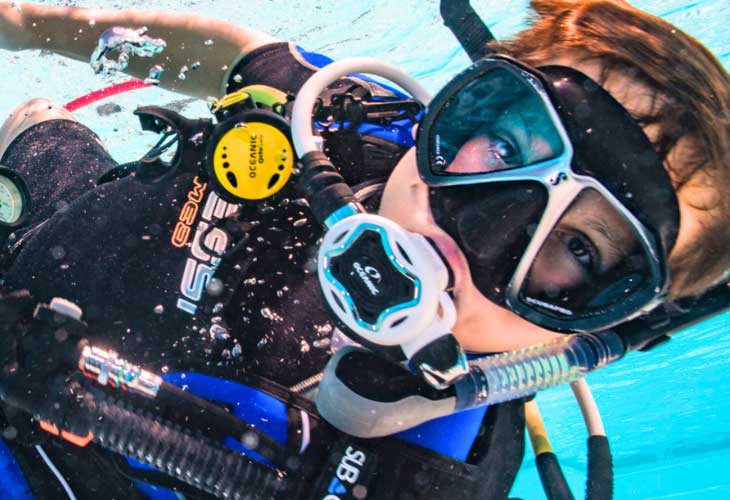
Children-and-Diving

Bubblemaker – The First Splash (Age 8+)

The PADI Bubblemaker programme is the perfect way to introduce children to diving. Held in a shallow pool, this fun and easy experience lets kids take their first breaths underwater using real scuba gear. There’s no pressure to learn technical skills—just pure excitement, laughter, and bubbles!

Many divers trace their lifelong passion back to this very first splash.

PADI Seal Team – Learning Through Fun (Age 8+)

Once your child is comfortable underwater, the PADI Seal Team takes the fun to the next level. Through exciting “AquaMissions,” kids learn diving basics, practise buoyancy, and explore marine conservation themes—all while having a great time.

Each mission builds confidence, curiosity, and a deeper connection with the ocean. It’s an ideal next step before moving on to real open-water diving.
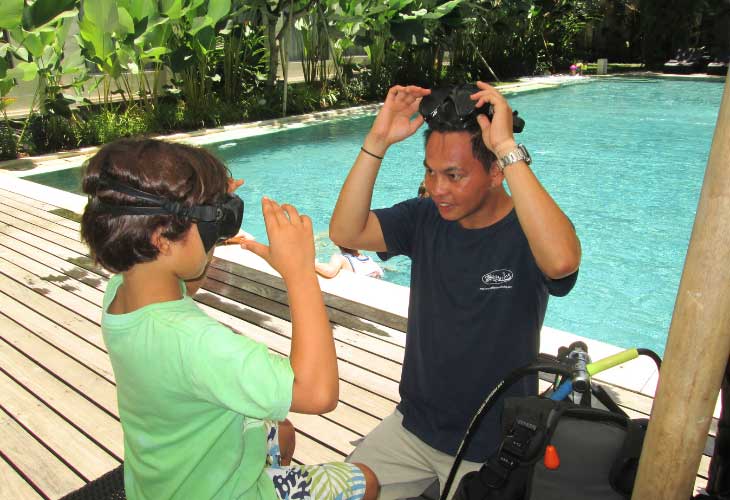
PADI-Bubblemaker-Programme

Junior Open Water Diver – The Real Adventure Begins (Ages 10–14)

For young explorers ready for the real thing, the PADI Junior Open Water Diver certification opens up the ocean world. The course follows the same structure as the adult version, but with depth limits to ensure safety:

  • Ages 10–11: Up to 12 metres (40 feet)
  • Ages 12–14: Up to 18 metres (60 feet)

This is where the adventure truly begins—your child can join supervised dives alongside adults or PADI professionals and experience the thrill of real underwater exploration.

Building Ocean Awareness and Responsibility

Diving helps children see the ocean differently. Through direct experience, they learn why protecting marine life and reducing pollution matter. PADI’s youth courses naturally encourage eco-awareness, turning young divers into passionate ocean advocates.
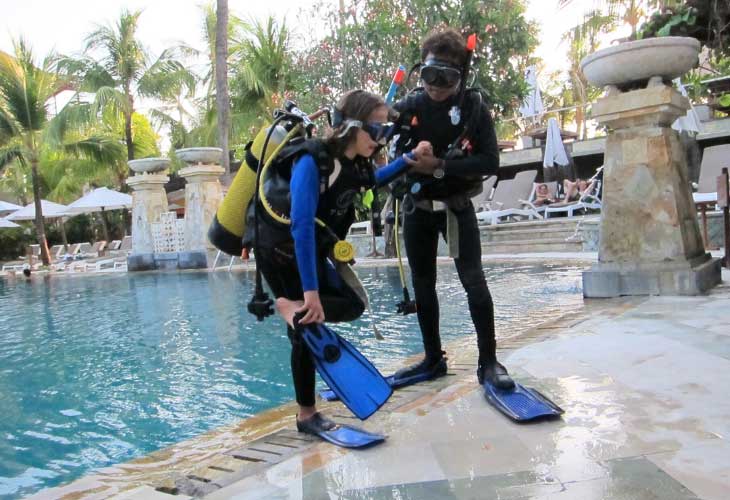
PADI-Junior-Open-Water-Diver

Why Start Young?

Starting diving early helps children grow in confidence, patience, and respect for nature. It’s also a wonderful way to create lasting family memories—sharing dives, stories, and underwater adventures together.

Whether your child dreams of becoming a marine biologist or simply loves the sea, PADI’s youth programmes offer the perfect start to their underwater journey. Every bubble they blow brings them closer to becoming the next generation of ocean guardians.

Ready to Begin?
Give your child the chance to experience the magic of the ocean!
Contact us today to learn more or book their first PADI Bubblemaker or Junior Open Water Diver session. Let’s make their first dive unforgettable—because every young explorer deserves to discover what lies beneath the surface. 🌊

PADI Junior Open Water Diver Course

Click below for more Children’s Diving in Bali Information:

By Hafid, AMD-B’s 2025 Divemaster Intern
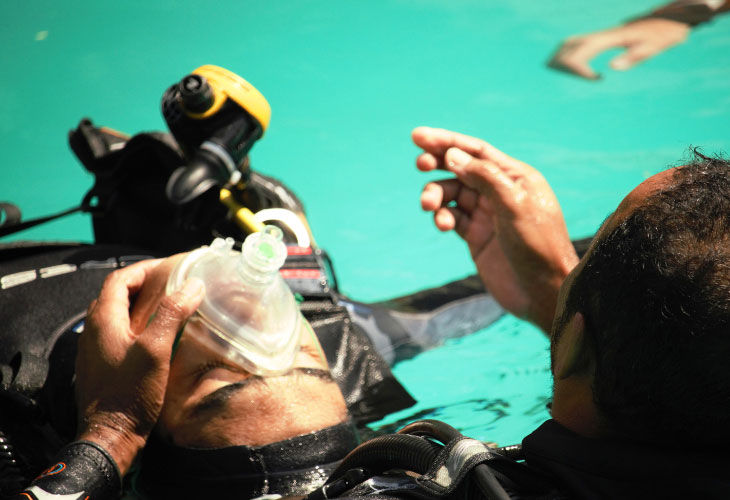
Why Everyone Should Take the PADI Rescue Diver Course

PADI Rescue Diver Course

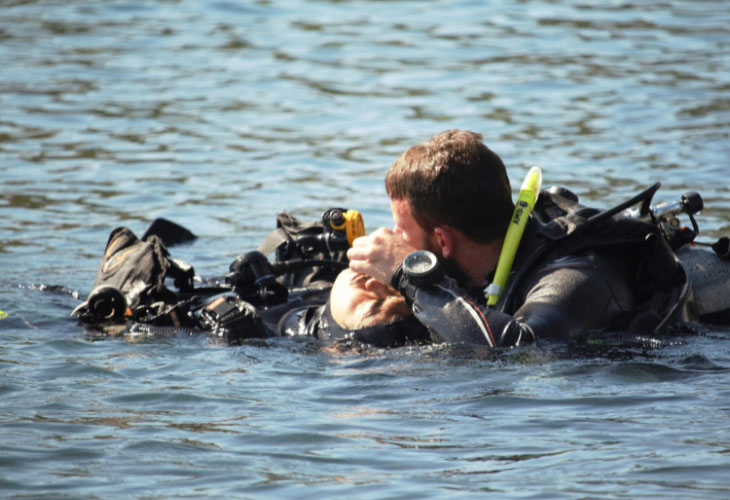
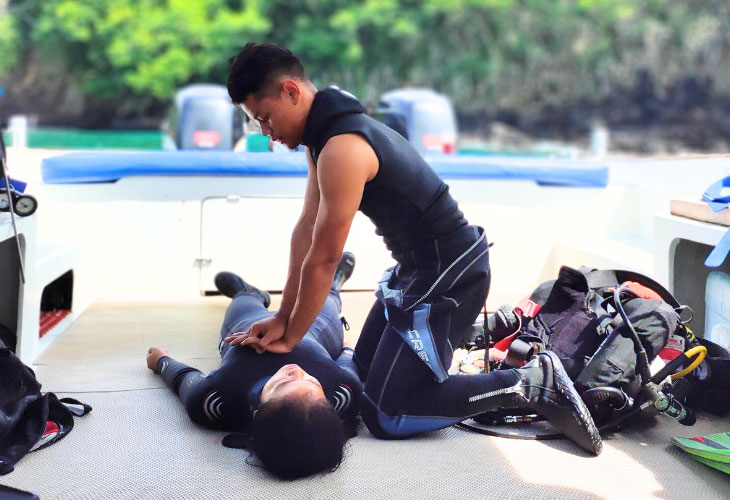
The PADI Rescue Diver course is often described as the most challenging—yet most rewarding—course in recreational diving. It shifts the focus from self-awareness to caring for others, giving you the confidence and skills to prevent and manage diving emergencies. Whether you’re diving with a buddy, a group, or even strangers, being Rescue-certified means you’re equipped to handle stress, react effectively, and potentially save lives.

But this course isn’t just about emergencies—it transforms the way you dive. Here’s why every diver should take this essential step in their underwater journey.

Rescue-Diver-Course-Pool-Session

Increased Awareness

One of the most valuable takeaways from the Rescue Diver course is heightened situational awareness. You’ll learn to recognize early signs of stress, fatigue, and panic in other divers—often before they realize it themselves.

The training teaches you to constantly scan your environment, assess dive conditions, and observe your buddy’s behaviour for any red flags. This proactive mindset leads to safer, more enjoyable diving. And as a bonus, you’ll gain deeper insight into your own limits and mental state during a dive.

Learn to Stay Calm Under Pressure

Emergencies can happen fast—and staying calm is critical. The Rescue Diver course prepares you for exactly that. Through realistic scenario training, such as handling tired or unconscious divers, you’ll build the muscle memory needed to react quickly and confidently.

By practising under pressure, you’ll learn to manage your own stress and guide others through theirs. These skills extend beyond diving too—helping you stay composed in high-stress situations in everyday life.

Rescue-Diver-Course-OW-Session

Improve Buddy Skills

Rescue training naturally makes you a more reliable and attentive dive buddy. You’ll develop better communication habits, learn how to assist a struggling diver, and master techniques like towing or removing equipment safely.

When you dive with someone who’s Rescue-certified, you feel more at ease—knowing they can respond with calm, skill, and care. Becoming that diver means you’re not just a participant, but a protector in the water.

A Stepping Stone to Pro Levels

Thinking about going pro? The PADI Rescue Diver course is a required step before advancing to Divemaster and professional-level training. Even if you’re unsure about becoming a dive professional, this course deepens your knowledge and enhances your confidence.

Many divers say it’s the moment they truly felt like a “real diver”. It solidifies your foundation and sets you up for more advanced, exciting dive experiences.

PADI-Rescue-Diver-Course

Why Take It Now?

Every dive carries some level of risk—but being prepared can make all the difference. The PADI Rescue Diver course goes beyond emergency response; it’s about becoming a more competent, aware, and dependable diver—someone others can count on.

Whether you’re diving in warm tropical reefs or chilly local quarries, Rescue Diver training makes you a true asset underwater.

AquaMarine Diving – Bali offers a world-class PADI Rescue Diver course, combining expert instruction, realistic practice scenarios, and personalized guidance to help you build the skills and confidence to handle any situation.

Ready to take the next step?
Become the diver others can count on.
Join AquaMarine Diving – Bali’s PADI Rescue Diver Course today and level up your diving journey.

PADI Rescue Diver Course

Click below for more PADI Dive Courses Information:

By Alfari, AMD-B’s 2025 Divemaster Intern

Diving Tips: How to Improve Your Air Consumption

Improve Air Consumption

Improving your air consumption is one of the most valuable skills any diver can develop. Not only does it allow for longer bottom times, but it also increases your safety, reduces stress, and helps you become a more relaxed, efficient diver.

While some aspects of air consumption are influenced by physiology, much of it comes down to technique, awareness, and regular practice.

Let’s dive into practical ways you can stretch your tank and enjoy your underwater adventures more fully.

Improve-Air-Consumption

Master Your Buoyancy

Struggling to maintain buoyancy wastes both air and energy. If you are constantly inflating and deflating your BCD or finning to stay in position, you’re using more oxygen than necessary. Take time to perfect your neutral buoyancy. Practice hovering with slow, minimal movements. This skill reduces drag, conserves energy, and helps your breathing rate naturally slow down.

Consider taking the PADI Peak Performance Buoyancy Speciality for structured training and feedback.

Slow Down Your Movements

Calm, slow movements are the key to conserving air. Avoid rapid finning or sudden arm motions. Streamlined, deliberate movements reduce effort and help you remain calm—keeping your breathing slower and more controlled.

Think like a sea turtle: graceful, smooth, and relaxed.

Focus on Breathing Technique

Breathing efficiently underwater is very different from breathing on land. Use the following tips:
– Take deep, slow breaths from your diaphragm, not your chest. Pause briefly after inhaling and exhaling—this creates a natural rhythm.
– Avoid shallow or rapid breathing, which can increase carbon dioxide build-up and trigger anxiety. With time, this controlled breathing becomes second nature.

Focus-on-Breathing-Technique

Streamline Your Gear

Bulky or dangling equipment increases drag and resistance. This forces you to work harder and breathe more. Make sure hoses, slates, and accessories are clipped close to your body. The more streamlined your setup, the less effort you will need to move—translating into better air efficiency.

Stay Warm and Comfortable

Being cold underwater causes your body to burn more energy to maintain its core temperature, increasing your air consumption. Wear an appropriate exposure suit and keep your gear well-fitted. Even mild discomfort, like a leaky mask or too-tight straps, can cause unnecessary stress and lead to faster breathing.

Dive More

As with any skill, practice improves performance. The more you dive, the more your body adapts to the environment, and the better your air consumption will get. Regular diving builds muscle memory, breathing control, and confidence—all of which contribute to more efficient air use.

Master-Your-Buoyancy

Improving your air consumption is not about holding your breath or pushing limits—it’s about being calm, aware, and efficient in every moment of your dive. Small improvements add up over time, and with practice, you’ll find yourself staying down longer and enjoying every dive more fully. If you want to track your progress, log your SAC (Surface Air Consumption) rate after each dive and notice the improvements. And remember: the most important breath is the one you take slowly and mindfully.

PADI Peak Performance Buoyancy Specialty Course

Click below for more PADI Dive Courses Information:

By Hafid, AMD-B’s 2025 Divemaster Intern