


Diving Tips: How to Use a Safety Sausage

Diving Tips: How to Use a Safety Sausage

A safety sausage, also known as a Surface Marker Buoy (SMB), is one of the most important safety tools a diver can carry. However, simply owning one is not enough. Knowing how to use a safety sausage correctly while diving can make a critical difference, especially in current, poor visibility, or busy boat areas.

In this guide, we explain when to deploy a safety sausage, how to use it safely, and why regular practice matters.

How-to-Use-A-Safety-Sausage

Why Using a Safety Sausage Matters

At the surface, a diver is surprisingly difficult to see. Even in calm conditions, a head and tank sit low in the water. Add swell, current, or distance from the boat, and visibility drops quickly.

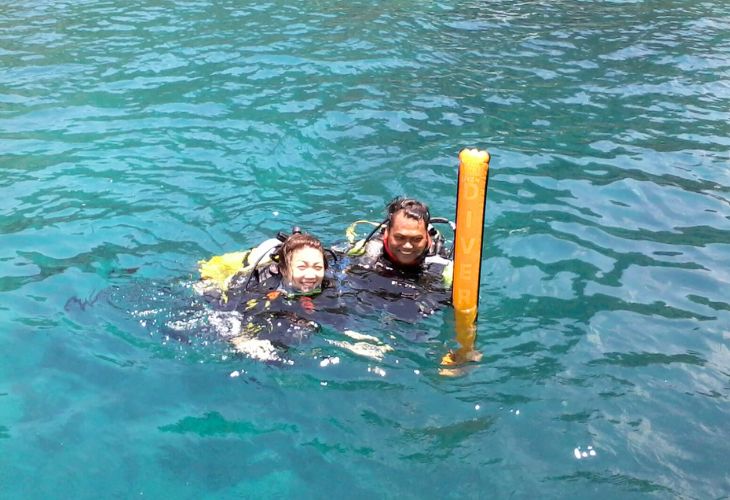
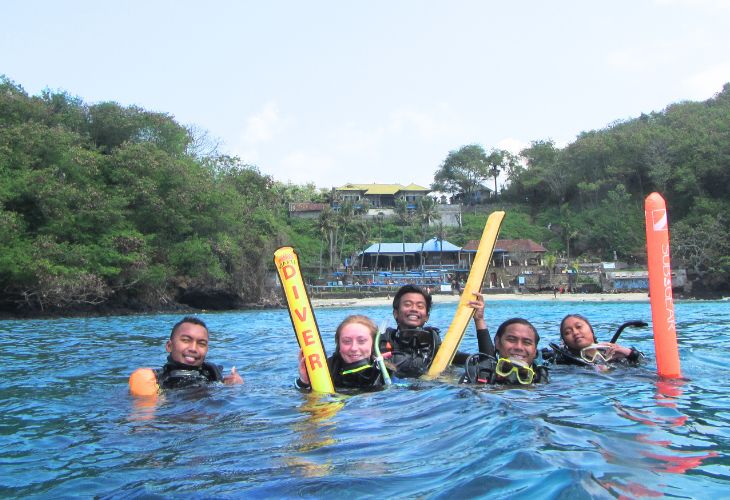
Using a safety sausage increases your visibility immediately. From a boat, a tall, brightly coloured SMB is far easier to spot than bubbles or a raised arm. This is why many dive operators strongly recommend — or require — divers to carry one.

When Should You Use a Safety Sausage?

Knowing when to use a safety sausage while diving is just as important as knowing how.

You should deploy your SMB:
– During a blue-water safety stop
– When surfacing away from the boat
– On drift dives with current
– In areas with boat traffic
– Whenever the boat is expected to come to you

Waiting until you are already stressed at the surface is a common mistake.
When-to-Use-A-Safety-Sausage

How to Use a Safety Sausage Safely

1. Stabilise Your Buoyancy
Before deployment, ensure you are neutrally buoyant. A rushed SMB deployment often leads to uncontrolled ascents or tangled lines.

2. Inflate Slowly
Add only a small amount of air at depth, either orally or with a low-pressure inflator. The air inside the safety sausage will expand as it rises. Overinflating too early can cause the SMB or line to pull upward forcefully.

3. Control the Line
Allow the safety sausage to rise smoothly while keeping light tension on your reel or spool. Make sure the line is clear of hoses, gauges, and your body.

4. Stay Visible at the Surface
Once you reach the surface, fully inflate the safety sausage and keep it upright. Height is key — the higher it stands above the water, the easier it is for the boat crew to see you.

Common Safety Sausage Mistakes

Even experienced divers make avoidable errors, including:
– Never practising SMB deployment
– Overinflating at depth
– Letting the line tangle around equipment
– Treating the safety sausage as optional gear

These mistakes are easily avoided with basic preparation and practice.
Use-A-Safety-Sausage-Safely

A safety sausage is not emergency equipment reserved for worst-case scenarios. It is standard diving safety gear designed to be used regularly.

Practising how to use a safety sausage in calm conditions will help ensure that, when conditions are less than ideal, you can deploy it confidently and correctly.
2026 ‘Best of Bali’ Dive Safaris

2026 ‘Best of Bali’ Dive Safaris

The 2026 ‘Best of Bali’ Dive Safaris are designed for divers who want variety, not repetition. Instead of staying in one area, these safaris move around the island to follow the best dive conditions and marine life.

Each itinerary reflects how AquaMarine plans trips for its own team. The result is a balanced, well-paced dive safari that shows Bali at its best. Divers can choose from seven-, eight- or 12-night itineraries, depending on time and experience level.

Across all safaris, diving includes:
– Shore and boat diving
– Walls, muck sites, wrecks, reefs and drift dives
– Strong opportunities for macro and wide-angle photography

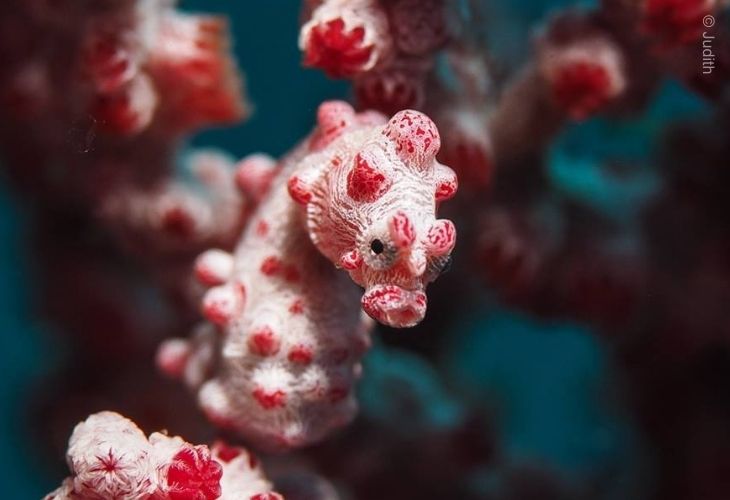
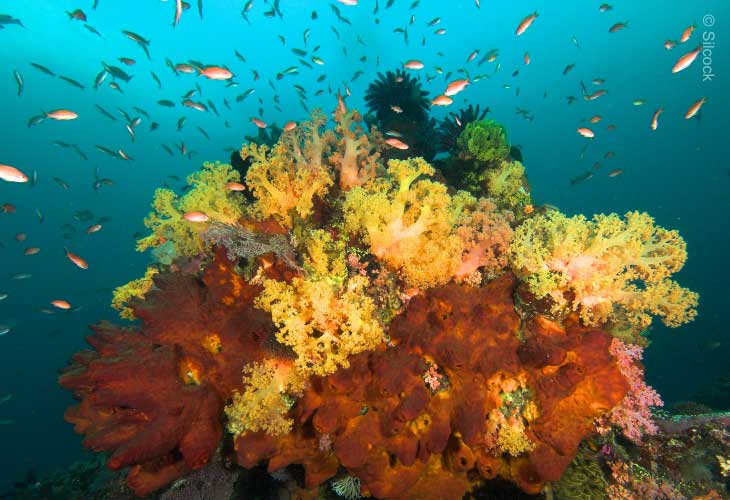
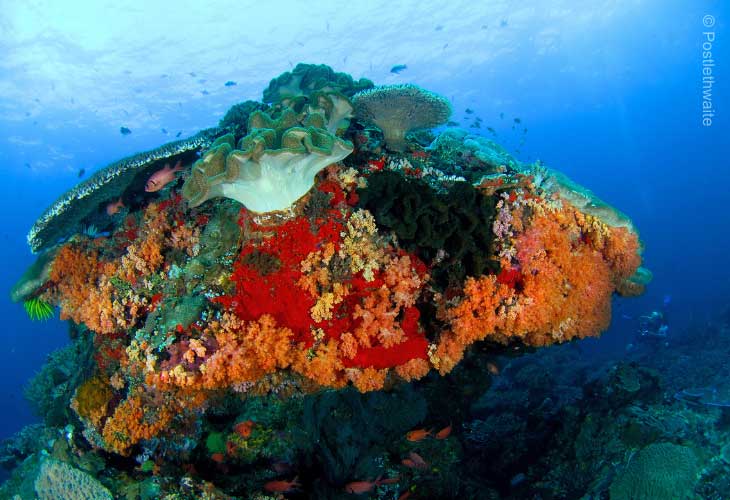
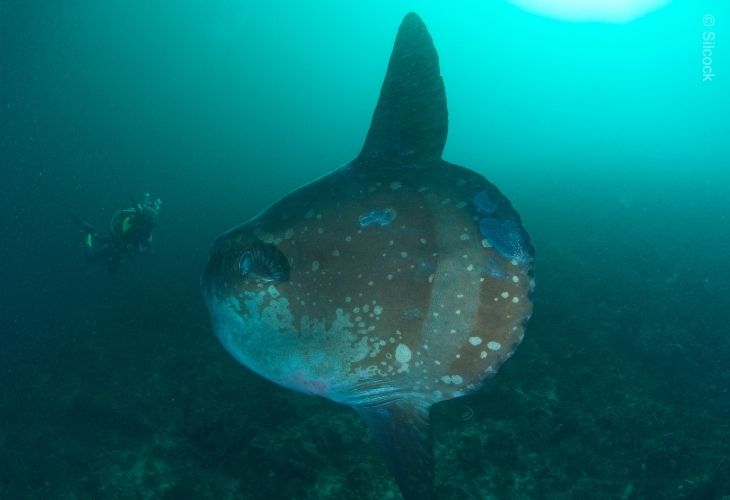
Marine life is a highlight throughout the year. Healthy coral reefs support excellent fish density, while seasonal encounters may include Manta rays and Mola-Mola. Smaller discoveries range from pygmy seahorses to juvenile reef species and rare critters.

Best-of-Bali-Dive-Safaris

Best of Bali Dive Safaris – Itinerary Overview

The ‘Best of Bali‘ Dive Safaris 2026 operate on fixed departure dates. Each trip is guaranteed to run with a minimum of two divers.

The 13-day ‘Best of Bali’ safari completes a full circuit of the island. This itinerary offers the widest possible variety of Bali dive sites and underwater environments.

The 8-day ‘Best of Bali’ itinerary focuses on the north-west and north-east coasts. It combines dramatic walls, colourful reefs and critter-rich muck diving.

The 7-day ‘Best of Bali’ safari concentrates on the north-east and east coasts. This option suits divers with limited time who still want diverse and rewarding diving.

Each itinerary is carefully structured to reduce unnecessary travel while maximising time underwater.

2026-Best-of-Bali-Dive-Safari-MolaMola

What’s Included in the 2026 ‘Best of Bali Dive’ Safaris

Nothing is included without purpose. Every element supports safe, comfortable and enjoyable diving.
– Fixed start dates with guaranteed departure (minimum two divers)
– Bali’s three best custom-built dive boats
– Spacious, customised minibuses with extra leg room
– Maximum guide-to-diver ratio of 1 PADI Divemaster (or above) to 4 divers
– Strong focus on safety, dive planning and relaxed schedules

Accommodation is selected for location, facilities and value for money. Resorts are positioned to support early starts, sensible surface intervals and smooth transfers.

Dive times are planned in advance to place divers on sites at the most suitable times. Tides, currents and typical conditions are considered wherever possible 🙂

2026-Best-of-Bali-Dive-Safari-PygmySeahorse

For full itinerary details, fixed departure dates, or enquiries about customised Group Safaris, please contact:  Diving@AquaMarineDiving.com.

Dive Site: Manta Point, Nusa Penida

Manta Point: A World‑Famous Manta Ray Encounter in Bali

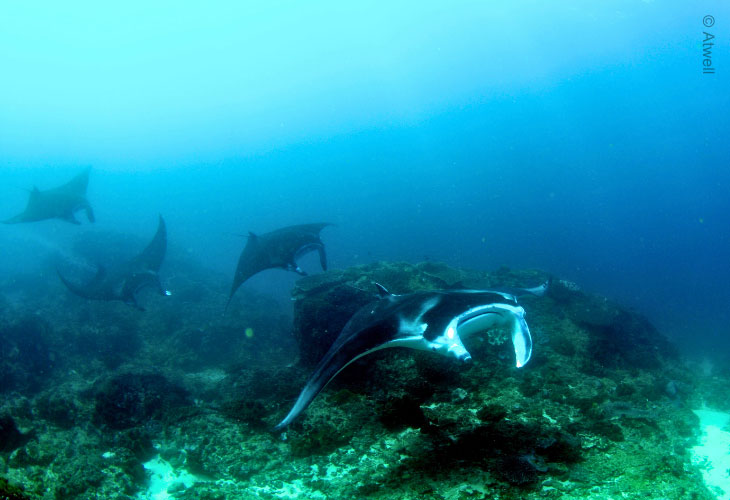
Manta Point is one of Bali’s most famous dive sites. Located off the south‑west coast of Nusa Penida, this exposed ocean site is best known for its reliable, year‑round encounters with reef manta rays (Mobula alfredi).

For many divers and snorkellers, Manta Point is a true bucket‑list experience. The main attraction happens in shallow water, where manta rays visit natural cleaning stations. Here, cleaner fish remove parasites while the mantas glide slowly overhead, often allowing long and memorable encounters.

Reef-Manta-Rays

Why Dive Manta Point

Manta Point consists of two main areas, commonly known as Manta Point I (Old) and Manta Point II (New). Both feature sandy bottoms, rocky outcrops, and coral bommies that attract cleaning fish.

Because of this, manta rays return regularly. It is common to see several mantas at the same time, including both juveniles and large adults with impressive wingspans. Encounters are often calm and extended, making this site ideal for underwater photography.

Marine Life Highlights

Although manta rays are the main draw, Manta Point also offers a variety of other marine life.

Divers may see:
Reef manta rays at the cleaning stations
– Blue‑spotted stingrays resting on the sand
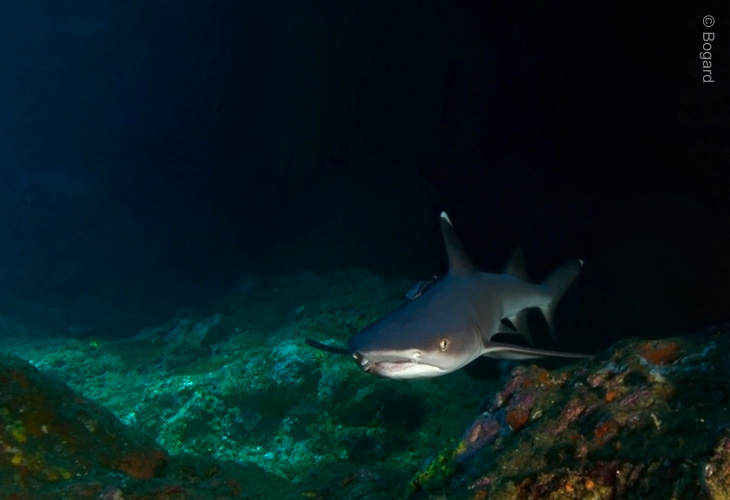
– White‑tip reef sharks and nurse sharks
– Schools of trevally, tuna, and mackerel
– Octopus, cuttlefish, and pufferfish among the rocks

Marine life can vary with visibility and swell. However, manta sightings remain consistently strong throughout the year.

White‑tip-Reef-Sharks

Dive Conditions at Manta Point

Manta Point is generally an easy to moderate dive. However, surface conditions can sometimes be challenging due to its open‑ocean location.

Depth: Cleaning stations at 5–10 metres; maximum depth around 18 metres
Visibility: Variable and influenced by swell and plankton
Water temperature: Typically 22–26°C, often cooler than other Bali sites
Currents: Usually mild near the cleaning stations, with possible surge

As most activity takes place shallow, divers can enjoy long bottom times while observing natural manta behaviour.

Suitable for Divers and Snorkellers

Thanks to the shallow cleaning stations, Manta Point is suitable for both certified divers and snorkellers, when conditions allow.

For divers, Open Water certification is usually sufficient. Good buoyancy control is essential to avoid disturbing the mantas or damaging the reef. Snorkellers should be comfortable in open water and follow the guide’s instructions at all times.

Manta-Point-Nusa-Penida

Best Time to Dive Manta Point

One of the key advantages of Manta Point is that manta rays are present year‑round. Sightings are not seasonal, unlike mola mola encounters elsewhere around Nusa Penida.

Sea conditions do vary:
– Early morning dives often have calmer seas
– Strong swell or weather may occasionally prevent access

Your AquaMarine’s guide will always assess conditions carefully before the dive.

Diving Manta Point with AquaMarine Diving - Bali

Manta Point is often included in day‑trip dive itineraries to Nusa Penida. It is commonly combined with sites such as Toyapakeh, SD, or Crystal Bay, depending on conditions.

At AquaMarine Diving – Bali, we focus on responsible manta interactions. All guests receive a detailed briefing to ensure minimal impact on these gentle animals and their cleaning stations.

If diving with manta rays is on your wish list, Manta Point offers one of the most memorable underwater experiences in Bali.

Quick Facts
Location: South‑west Nusa Penida
Signature species: Reef manta rays (Mobula alfredi)
Experience level: Open Water diver or confident snorkellers
Highlight: Shallow, long‑lasting manta encounters

Manta Point Dive Site

Click below for more Bali Diving Information: