Save! Join a Scheduled Trip or Course; check our “Specials” for limited time offers; subscribe to eNews for discounts, freebies, bonus offers in Bali and Beyond.
Organize diving in Bali and throughout Indonesia for your dive club or group of friends. Our dedicated team of specialists work with travel agencies around the world.
AquaMarine’s 2025 Divemaster Internship Programme Comes to an End
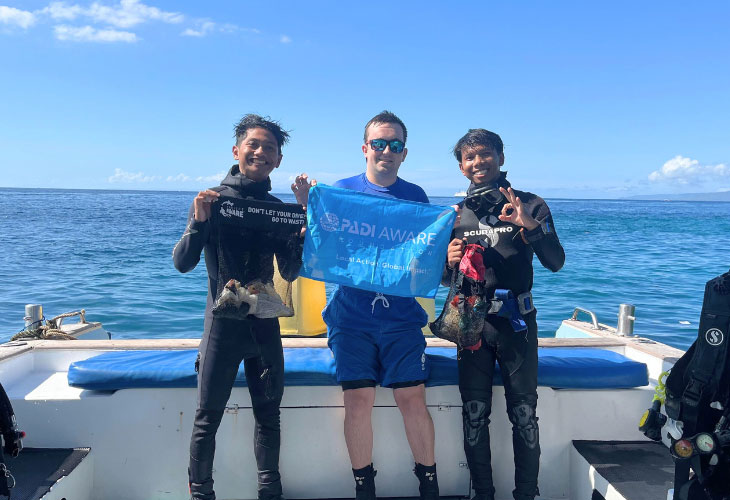
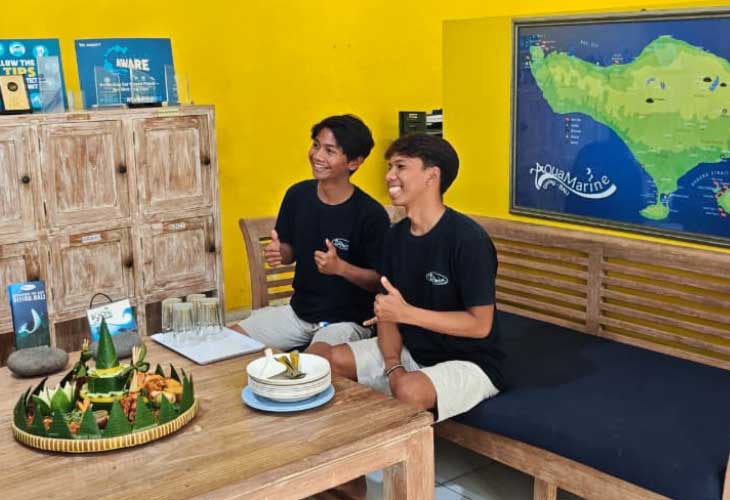
AquaMarine Diving – Bali is pleased to mark the end of our 2025 PADI Divemaster Internship Programme, which finished on 30 November 2025. Since 2011, the programme has offered opportunities to young Indonesians who wish to start a professional career in the dive industry. This year, we proudly worked with two interns: Hafid and Alfari.
A Year of Growth and Achievement
Hafid and Alfari began their training in January. They entered with limited diving experience, yet they progressed quickly. Throughout the year, they completed PADI Open Water, Advanced, Rescue, and finally Divemaster. Each stage brought new skills, and both interns embraced every challenge.
They also learned essential daily tasks. These included guest interaction, equipment care, briefing practice, and safety procedures. As a result, they grew more confident both underwater and on land.
Supporting Indonesia’s Diving Community
The internship focuses on developing capable, responsible, and environmentally aware dive professionals. Hafid and Alfari showed strong commitment to these values. They demonstrated good teamwork, consistent curiosity, and a positive attitude throughout the programme.
Because of these qualities, we believe they will contribute well to Indonesia’s growing marine tourism sector.
Reflections from the Interns
As part of their final review, Hafid and Alfari shared their thoughts:
– “I’m grateful for the support and guidance I received this year.” — Hafid
– “Step by step, I gained confidence and reached Divemaster level.” — Alfari
Acknowledging the Team
We extend sincere appreciation to our Instructors, Guides, and Office Staff. Their steady guidance helped Hafid and Alfari succeed. Their support remains a key part of the programme each year.
We congratulate Hafid and Alfari on completing their Divemaster training. We wish them success as they begin the next stage of their diving careers.
Bali Travel Essentials: What to Know Before You Visit
If you’re planning a trip to Bali – whether for diving, sightseeing, or a bit of everything – here’s a simple guide to help you prepare. A little planning goes a long way towards ensuring your time on the Island of the Gods is as relaxed and enjoyable as possible.
Entry Requirements
Make sure your passport is valid for at least six months from your departure date and has two blank pages. You’ll also need proof of onward travel.
Most nationalities can enter Bali with a Visa on Arrival (VoA). The paid VoA is valid for 30 days and can be extended once; the free VoA cannot be extended. Travellers intending to stay longer may prefer to arrange a 60-day tourist visa before arriving.
Foreign Tourists Levy: To help preserve Bali’s culture, traditions, and natural beauty, the Bali Provincial Government has introduced a Foreign Tourists Levy. The fee is IDR150,000 per person, paid once per trip.
We recommend settling this online before you travel. You can make the payment through the official Love Bali website or app; once completed, you’ll receive a Tourism Levy voucher with a QR code sent directly to your email. Simply present this upon arrival.
If you prefer to pay on the spot, there is also a payment counter at the airport – although paying in advance is usually the quicker, easier option.
Health & Safety
Bali’s tap water isn’t safe to drink, so bottled or filtered water is the way to go. While Bali is malaria-free, dengue fever does occur, so we recommend a reliable mosquito repellent with a high DEET content.
There are good international medical clinics in south Bali, but treatment can be costly. Bring any essential medication and ensure your travel insurance covers medical care – including dive insurance if you’ll be joining us underwater.
Getting Around
If you’d like to drive a car or scooter, you’ll need an International Driver’s Permit. Traffic can be lively, so many guests tell us they prefer hiring a car with a driver – it’s affordable and far more relaxing.
Money Tips
ATMs are widely available in the south, but limited in more rural areas such as Tulamben. The local currency is Indonesian Rupiah (IDR). If you’re bringing foreign cash, use newer, clean banknotes and exchange money only at reputable places.
Visa and MasterCard are generally accepted, though small surcharges are common.
What to Pack
Bali is very easy to shop in, so pack lightly. Light clothing, swimwear, sunscreen, sunglasses, and any personal medication are the main essentials.
Bali is a welcoming, vibrant island with plenty to discover. With a little preparation, you’ll be ready to make the most of every moment.
Ready to explore Bali’s incredible underwater world? 👉 Plan your next dive with AquaMarine Diving – Bali and see the island from a whole new perspective.
Triton Bay: Remote Diving in Indonesia’s Hidden Corner
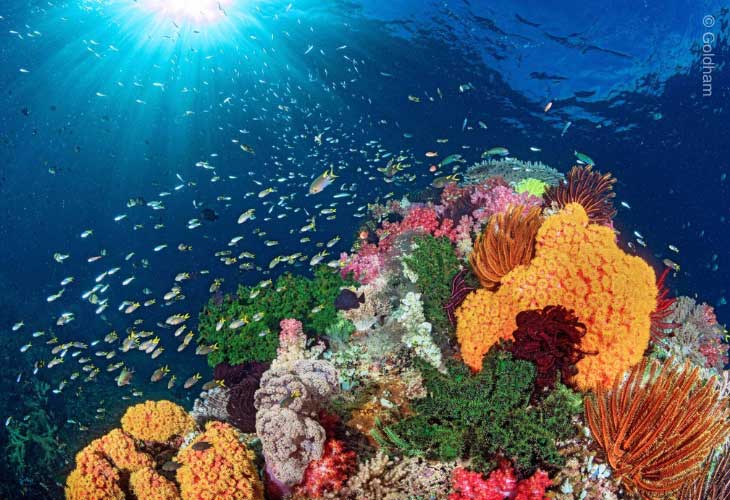
Located in West Papua, Triton Bay forms part of the Birds Head Seascape and is known for its rich biodiversity, vibrant soft corals, and quiet, remote setting. With few visitors and limited dive operations, it remains one of Indonesia’s most untouched marine environments. Divers come for pristine reefs, colourful coral gardens, and the chance to see rare species found only in this region.
What to Expect Underwater
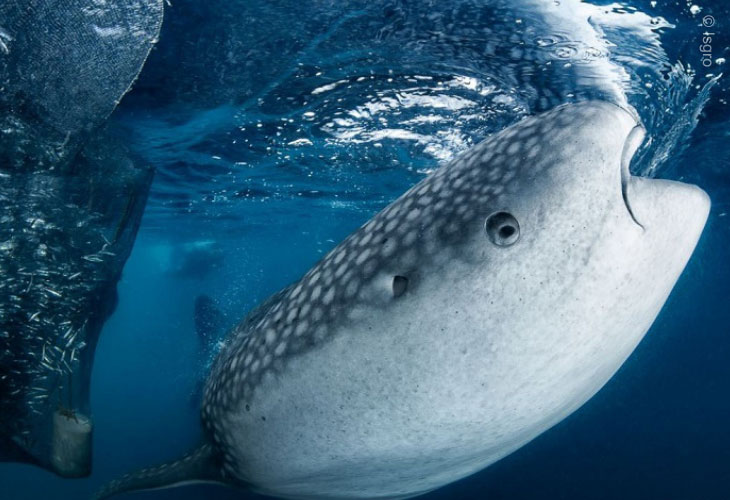
Triton Bay is recognised for its distinctive soft corals, black coral forests, and healthy sea fans. Conditions vary, but dive sites are generally suitable for a wide range of experience levels. Marine life includes pygmy seahorses, walking sharks, schools of fusiliers, and occasional whale sharks visiting traditional bagan platforms.
Visibility can shift with plankton, yet nutrient-rich water supports abundant life. Macro photographers will find unusual species in sheltered areas, while the occasional pelagic passes through open water. Diving is usually conducted from small boats, with short travel times to most sites.
Planning Your Visit
The best season to visit Triton Bay runs from October to June, when the weather is calmer and dive conditions more predictable. Accommodation is limited and typically eco-focused, helping the region maintain a low-impact environment. Access is via Kaimana, served by domestic flights from major Indonesian cities, with resort transfers arranged locally.
This area is well suited to divers who enjoy remote locations, relaxed schedules, and uncrowded marine sites. Non-divers can take boat trips through limestone islands or enjoy light trekking.
If you are considering a diving trip to Triton Bay and would like assistance arranging accommodation, transfers, or a tailored dive package, you are welcome to get in touch for planning support.