Save! Join a Scheduled Trip or Course; check our “Specials” for limited time offers; subscribe to eNews for discounts, freebies, bonus offers in Bali and Beyond.
Organize diving in Bali and throughout Indonesia for your dive club or group of friends. Our dedicated team of specialists work with travel agencies around the world.
The island of Lombok, directly to the east of Bali. Lombok (4.725km2; slightly smaller than Bali) is famous for white sandy beaches and beautiful scenery. The island is pretty much circular in shape with a 70km peninsular called Sekotong on the south west coast.
Diving in Lombok
Diving around south Lombok is very popular as the area has pristine reefs, a multitude of dive sites and amazing marine diversity. The variety of marinelife is breathtaking and in addition to the many colourful reef fish, there is an abundance of macro life.
Diving around Sekotong is suitable for all levels of experience, from easy and relaxing dives on colourful reefs with lots of macro life, to exciting adrenaline dives in Belongas Bay.
Lombok’s Diving Season
Lombok’s diving is good year-around with May to October, the dry season, offering 10-30m visibility. Dec/Jan has the highest rainfall. From the end of June to early November, Belongas Bay has Hammerhead sharks, Manta and Mobula rays, and more. The two best known dive sites in Belongas Bay are The Cathedral and The Magnet. Here you can see mackerel, tuna, barracuda, Napoleon wrasse, Eagle rays, White-tip and Black-tip reef sharks.
How to reach Lombok
Flights: There are domestic flights from Jakarta and Bali international airports.
Fast boats from Bali: Various operators; most leave in the morning. AMD-B recommends Bluewater Express: Well-designed boats with built-in safety features; a very well-managed company.
For more information on Lombok’s diving, dive resorts, transfers, and to start your planning, please contact AMD-B’s ‘Beyond Bali’ Dive Travel Consultants today. As always, they will be more than happy to offer recommendations and make arrangements to suit your preferences. Contact us on Tours@AquaMarineDiving.com today!
When it comes to shapes and colours, the variations found in nudibranchs never ceases to impress underwater photographers – and the rest of us!
There are over 3,000 species of nudibranchs worldwide, with new ones being identified regularly. These fascinating creatures are hermaphrodites, meaning they can mate with any individual of their species. Another intriguing fact is that nudibranchs are carnivorous, with diets that go beyond corals, algae, anemones, and sponges—they may even consume other nudibranchs.
Nudibranchs in Indonesia
To help you get started, here are five fantastic nudibranchs to look out for in Indonesia:
Hypselodoris bullocki – This species, found in Bali, Lembeh, Triton Bay, Wakatobi, and Ambon, is famous for its lavender hue and dark spots. It’s a beautiful find for those who appreciate subtle but striking patterns.
Chromodoris magnifica – As its name suggests, Chromodoris magnifica truly stands out. You can find this bold nudibranch in places like Raja Ampat, Ambon, Halmahera, Lembeh, and Bali. Its eye-catching combination of orange, white, and black makes it a favorite for underwater photographers.
Nembrotha kubaryana – Known for its dramatic blend of black, green, and orange, Nembrotha kubaryana is another species divers love to spot in Wakatobi, Bali, Lembeh, Raja Ampat, and Alor.
Doto greenamyori – This unique species has earned the nickname “Doughnut Doto” because of its shape. Doto greenamyori can be found in Tulamben, Wakatobi, and Misool, often hiding among hydroids and other small organisms.
Thecacera pacifica – With its bright yellow color and black markings, this nudibranch resembles the famous character Pikachu! You can find it in Bali, Triton Bay, and Alor.
Please note: The above are the areas which offer a high chance of seeing these particular nudis. This being Indonesia, you can find the most unexpected species far outside their known range, for example: – While diving with AMD-B, Dr Richard Smith (Ocean Realm Images) found displaying male McCosker’s flasher wrasses 2,500km east of their previously recorded range – Okenia liklik nudis in Tulamben Bay, Bali (previously only recorded in Papua New Guinea and Luzon).
There are many other super-rare nudis that are scattered throughout the ocean so, who knows, maybe YOU will be lucky enough to find a new species and contribute to naming it 🙂
Located in the Derawan Archipelago which lies off the coast of East Kalimantan, the Indonesian part of the island of Borneo, this large, upside-down U-shaped island partially encircles a massive lagoon at one end and is fringed with sheer rocky walls and coral reefs at the other.
Maratua covers 384sq kms of sandy white beaches and mangroves, and 3,735sq kms of territorial waters which scientists believe contain the third highest level of marine biodiversity in the world (after Raja Ampat and the Solomon Islands).
Diving in Maratua Island
“Vertical walls, pristine corals, strong currents and lots of big fish” summarise the diving in Maratua. It’s also been called “The Turtle Capital of Indonesia”. Visibility of 40-60m is common due to being almost 70kms from the mainland.
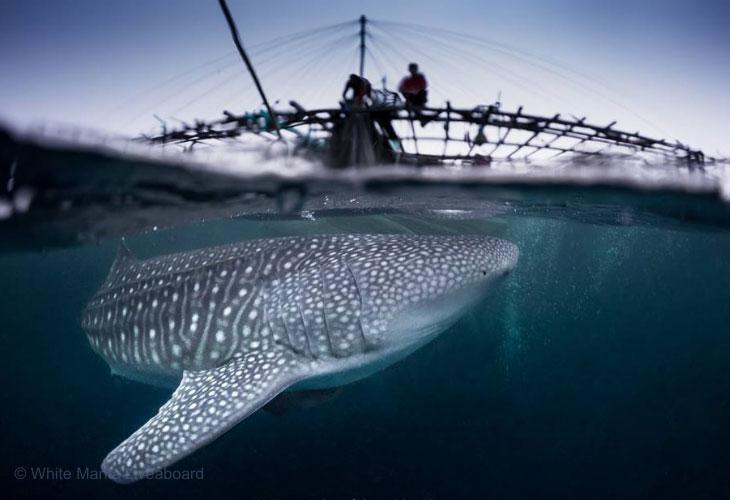
There are 20+ dive locations around Maratua. One stand-out dive is the incoming-to-slack high tide drift through the channel (entrance is 27m) into Maratua’s lagoon. These strong currents attract large pelagics including Eagle, Devil and Giant stingrays, Whalesharks, and many kinds of sharks including Grey and White-tip reef, Leopard, Hammerheads, and Threshers.
Around the island, you are guaranteed to see pristine corals in the shallows as well as impressive drop-offs.
Maratua Diving Season
Maratua’s diving is good year-round with the best months being July to October (the dry season), however higher numbers of Manta rays are seen October to June.
How to reach Maratua Island
Fly to Balikpapan from Jakarta and Manado international airports, and Surabaya and Makassar domestic airports, then take an onward flight to Berau or Tarakan. – Our resort partners will arrange transfers from Berau airport. – Liveaboards generally use Tarakan airport for embarkation and disembarkation.
For more info on Maratua resorts, liveaboard routes/schedules that include Maratua island, and to start your planning, please make sure your AMD-B Travel Consultant is aware of your needs. As always, they will be more than happy to offer recommendations and make arrangements to suit your preferences. Contact us on Tours@AquaMarineDiving.com today!