


Manta Point: A World‑Famous Manta Ray Encounter in Bali
Manta Point is one of Bali’s most famous dive sites. Located off the south‑west coast of Nusa Penida, this exposed ocean site is best known for its reliable, year‑round encounters with reef manta rays (Mobula alfredi).
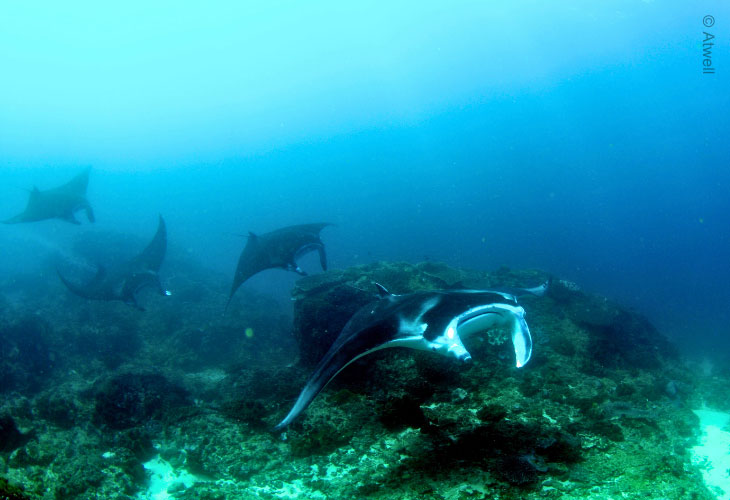
For many divers and snorkellers, Manta Point is a true bucket‑list experience. The main attraction happens in shallow water, where manta rays visit natural cleaning stations. Here, cleaner fish remove parasites while the mantas glide slowly overhead, often allowing long and memorable encounters.
Why Dive Manta Point
Manta Point consists of two main areas, commonly known as Manta Point I (Old) and Manta Point II (New). Both feature sandy bottoms, rocky outcrops, and coral bommies that attract cleaning fish.
Because of this, manta rays return regularly. It is common to see several mantas at the same time, including both juveniles and large adults with impressive wingspans. Encounters are often calm and extended, making this site ideal for underwater photography.
Marine Life Highlights
Although manta rays are the main draw, Manta Point also offers a variety of other marine life.
Divers may see:
– Reef manta rays at the cleaning stations
– Blue‑spotted stingrays resting on the sand
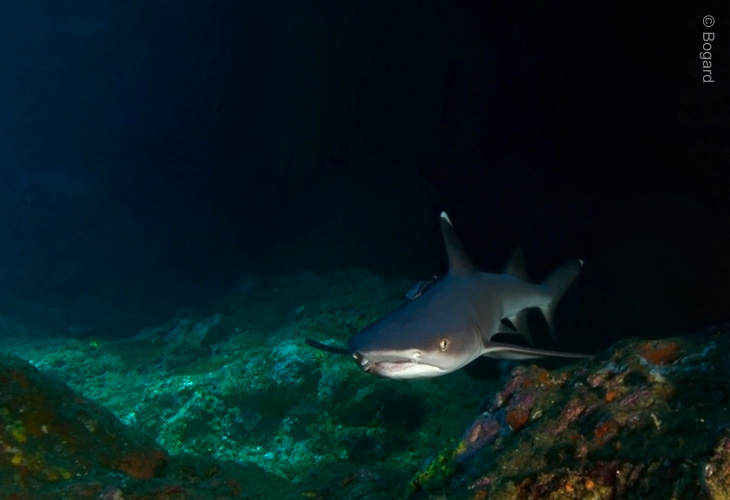
– White‑tip reef sharks and nurse sharks
– Schools of trevally, tuna, and mackerel
– Octopus, cuttlefish, and pufferfish among the rocks
Marine life can vary with visibility and swell. However, manta sightings remain consistently strong throughout the year.
Dive Conditions at Manta Point
Manta Point is generally an easy to moderate dive. However, surface conditions can sometimes be challenging due to its open‑ocean location.
– Depth: Cleaning stations at 5–10 metres; maximum depth around 18 metres
– Visibility: Variable and influenced by swell and plankton
– Water temperature: Typically 22–26°C, often cooler than other Bali sites
– Currents: Usually mild near the cleaning stations, with possible surge
As most activity takes place shallow, divers can enjoy long bottom times while observing natural manta behaviour.
Suitable for Divers and Snorkellers
Thanks to the shallow cleaning stations, Manta Point is suitable for both certified divers and snorkellers, when conditions allow.
For divers, Open Water certification is usually sufficient. Good buoyancy control is essential to avoid disturbing the mantas or damaging the reef. Snorkellers should be comfortable in open water and follow the guide’s instructions at all times.
Best Time to Dive Manta Point
One of the key advantages of Manta Point is that manta rays are present year‑round. Sightings are not seasonal, unlike mola mola encounters elsewhere around Nusa Penida.
Sea conditions do vary:
– Early morning dives often have calmer seas
– Strong swell or weather may occasionally prevent access
Your AquaMarine’s guide will always assess conditions carefully before the dive.
Diving Manta Point with AquaMarine Diving - Bali
Manta Point is often included in day‑trip dive itineraries to Nusa Penida. It is commonly combined with sites such as Toyapakeh, SD, or Crystal Bay, depending on conditions.
At AquaMarine Diving – Bali, we focus on responsible manta interactions. All guests receive a detailed briefing to ensure minimal impact on these gentle animals and their cleaning stations.
If diving with manta rays is on your wish list, Manta Point offers one of the most memorable underwater experiences in Bali.
Quick Facts
– Location: South‑west Nusa Penida
– Signature species: Reef manta rays (Mobula alfredi)
– Experience level: Open Water diver or confident snorkellers
– Highlight: Shallow, long‑lasting manta encounters
Click below for more Bali Diving Information: