Save! Join a Scheduled Trip or Course; check our “Specials” for limited time offers; subscribe to eNews for discounts, freebies, bonus offers in Bali and Beyond.
Organize diving in Bali and throughout Indonesia for your dive club or group of friends. Our dedicated team of specialists work with travel agencies around the world.
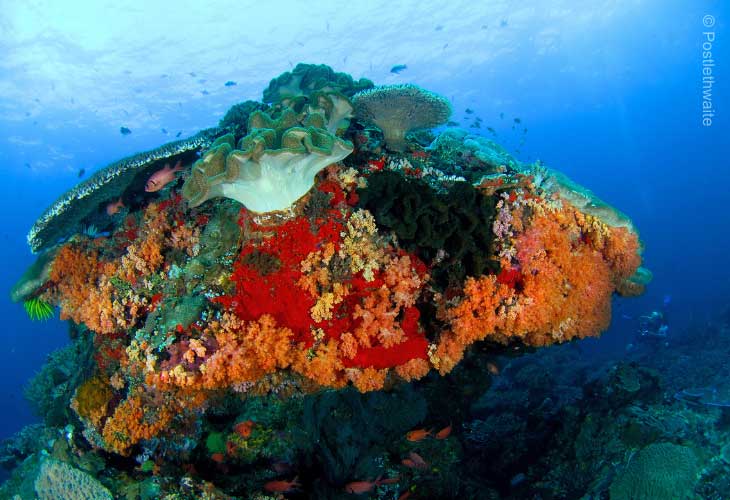
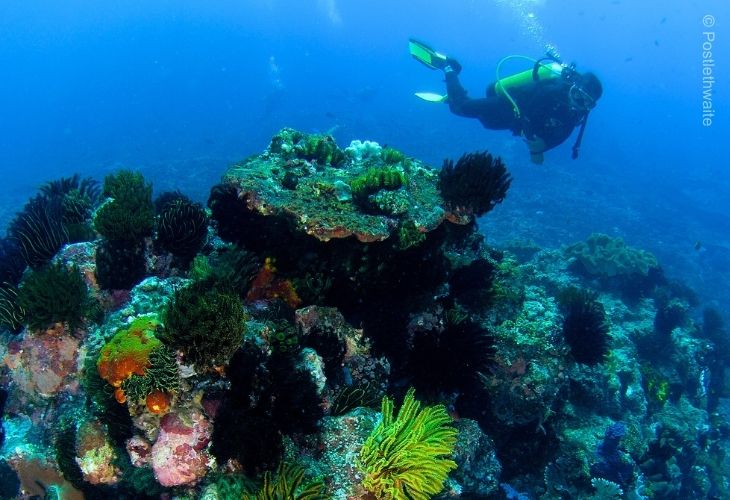
Bali is one of the best year-round diving destinations in the world. With warm tropical waters, colourful coral reefs, manta rays, wreck dives, and incredible marine life, there is always something special waiting beneath the surface.
The best time to dive in Bali depends on the kind of diving experience you are looking for.
Dry Season: May to October
The dry season is usually considered the best time for diving in Bali. The weather is sunnier, the sea calmer, and underwater visibility often at its clearest.
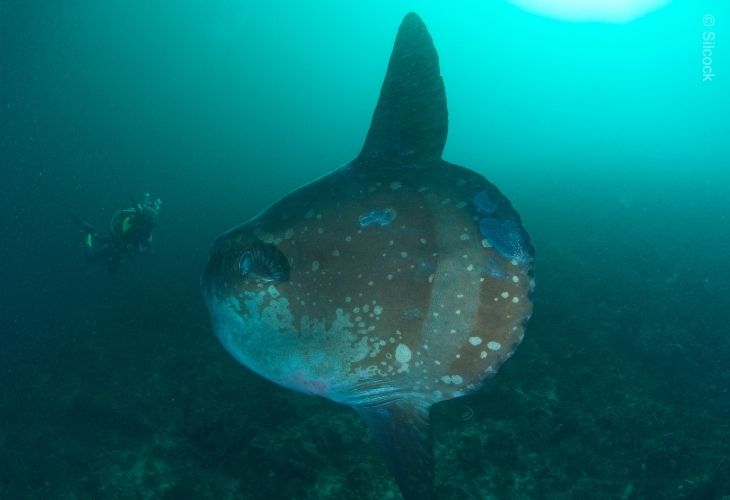
This is also the best season for spotting larger marine life around Nusa Penida, including the famous mola mola, especially between August and October. Water temperatures can be cooler during this time, usually around 21–27°C.
Rainy Season: November to April
The rainy season brings warmer water, greener landscapes, and fewer visitors. Although there is more rain, showers are often short, and diving continues throughout the year.
Dive sites such as Tulamben and Amed remain excellent during this season, making it a lovely time for relaxed diving, underwater photography, and quieter underwater experiences.
Best Dive Sites in Bali
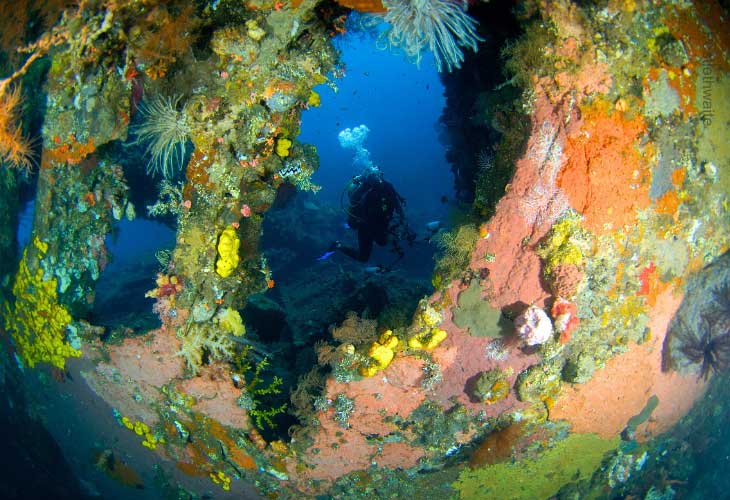
Some of Bali’s most famous dive sites can be enjoyed almost all year round: – Tulamben – home to the iconic USAT Liberty shipwreck – Nusa Penida – famous for manta rays and seasonal Mola-Mola – Menjangan Island – known for calm waters and beautiful coral walls
So, When Should You Dive in Bali?
If you prefer warmer water and quieter dive sites, the rainy season can be a wonderful time to visit.
If you are looking for clearer visibility and the best chance to see Mola-Mola, the dry season is usually ideal.
The beautiful thing about diving in Bali is that every season offers something different. No matter when you visit, Bali’s underwater world always has something unforgettable to offer. 🌊
Have you ever imagined breathing underwater, surrounded by vibrant coral reefs and colourful fish? If so, Bali is the perfect place to begin your underwater journey. Known for its warm waters, diverse dive sites, and welcoming dive community, Bali is one of the best destinations for beginner divers.
Why Bali is Perfect for Beginners
There are many reasons why Bali is ideal for those new to diving:
Warm and calm waters: Located on the equator, Bali enjoys consistently warm sea temperatures. Many dive sites also have gentle conditions, making dives safer and more comfortable for beginners.
Rich biodiversity: Bali sits within the Coral Triangle, one of the most biologically diverse marine regions in the world, home to thousands of marine species.
Variety of dive sites: From coral reefs and shipwrecks to drift and muck diving, Bali offers a wide range of environments to explore as you gain experience.
Best Beginner Dive Sites in Bali
Bali offers a variety of dive sites that are both unforgettable and suitable for those just starting out:
Padang Bai Area: A fantastic area for both new and experienced divers. Sites such as Blue Lagoon, The Jetty, and Tanjung Jepun offer calm conditions and excellent visibility—ideal for beginners.
Tulamben: Home to the famous USAT Liberty Shipwreck, this site is suitable for all levels. It combines an easy shore entry with abundant marine life, making it a favourite for first-time divers.
Amed: Located close to Tulamben, Amed is a peaceful coastal region known for its relaxed atmosphere. It offers excellent beginner-friendly dive sites and a quieter alternative to Bali’s busier areas.
Marine Life You Might See
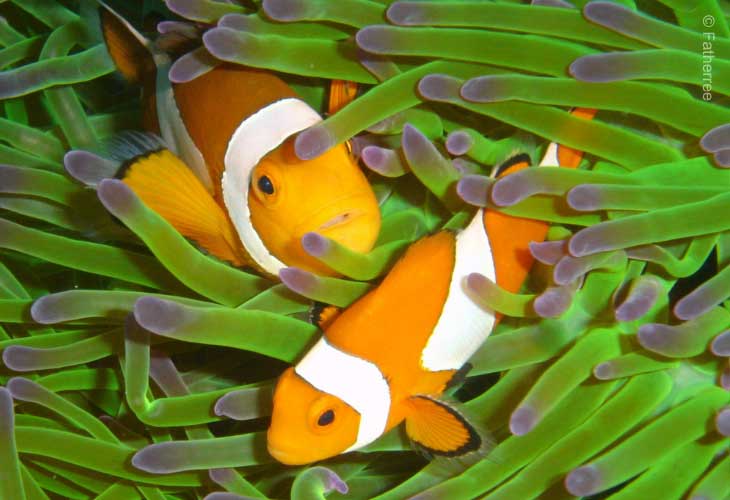
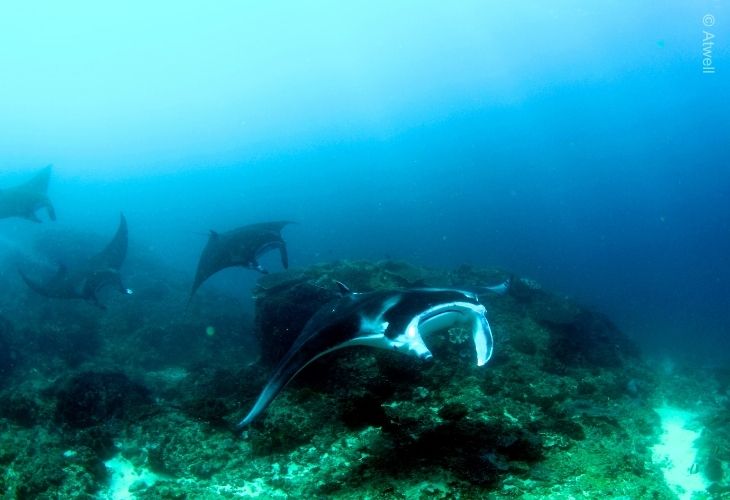
One of the highlights of diving in Bali is the incredible variety of marine life. Depending on the site and season, you may encounter reef fish, sea turtles, reef sharks, and even larger species such as manta rays and mola mola around Nusa Penida.
Bali is also renowned for its macro life. Divers often spot nudibranchs, frogfish, seahorses, and a wide range of fascinating critters—especially in areas like Tulamben and Amed. Every dive offers something different, which is part of what makes diving in Bali so special.
Tips for First-Time Divers in Bali
If you are planning your first diving experience in Bali, a few simple tips can make a big difference:
Choose the right dive sites: Beginner-friendly locations with calm conditions and abundant marine life, such as Padang Bai and Tulamben, are excellent starting points.
Consider the season: The dry season (April to October) typically offers better visibility, while the rainy season can bring warmer waters and fewer crowds.
Dive with a trusted operator: An experienced dive centre can match you with the right sites based on your comfort level and interests.
AquaMarine Diving – Bali offers guided trips to many of Bali’s most popular dive sites, from beginner-friendly reefs to more advanced locations such as Nusa Penida and Menjangan Island—helping first-time divers explore Bali with confidence and ease.
Invasive Species in the Ocean: Why They Matter in Marine Ecosystems
The ocean may feel vast and resilient, but it is far more sensitive to imbalance than it appears. One of the most overlooked threats is invasive species.
In simple terms, invasive species are plants or animals that enter environments where they are not naturally found.
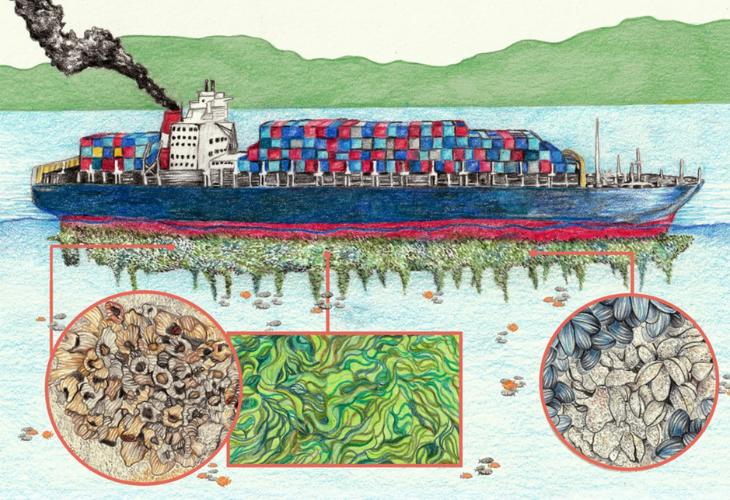
Biofouling: Barnacles, algae and shellfish can all live on the hulls of ships (Illustration: Ricardo Macía/China Dialogue Ocean)
Biofouling: Barnacles, algae and shellfish can all live on the hulls of ships (Illustration: Ricardo Macía/China Dialogue Ocean)
How Invasive Species Enter the Ocean
In most cases, they do not arrive on their own.
Marine invasive species are often transported through human activity—attached to ship hulls, carried in ballast water, or introduced through aquaculture and the aquarium trade. What begins as an accidental transfer can quickly become a long-term ecological issue.
Once established, removing them is extremely difficult.
The Impact on Marine Ecosystems
Invasive species do not simply exist in a new environment—they compete. They compete with native species for food, space, and habitat. In many cases, they outcompete local species due to faster reproduction, lack of natural predators, or greater adaptability.
The result is a gradual but serious disruption: – Decline in native populations – Imbalance in food webs – Loss of ecosystem stability
Some invasive species also introduce diseases, creating additional pressure on marine life that has not evolved to resist them.
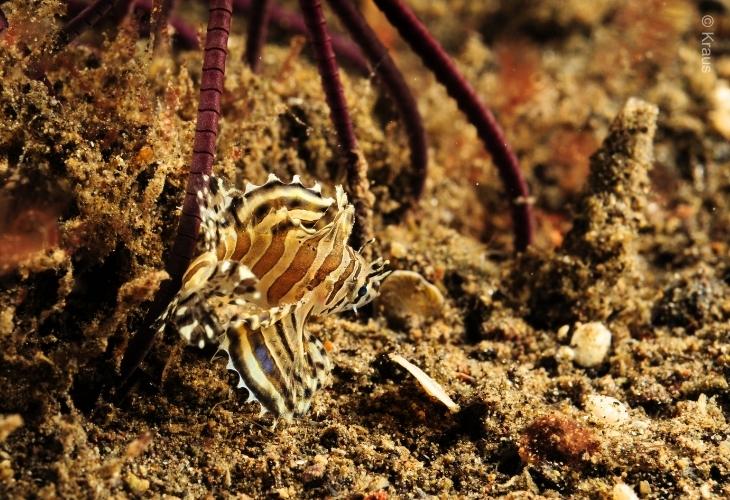
Lionfish: A Well-Known Example
A commonly cited example is the lionfish.
Originally from the Indo-Pacific, lionfish have spread rapidly across the Atlantic and Caribbean. Without natural predators in these regions, their population has increased significantly.
They feed on small fish and crustaceans, leading to declines in native species and disruption of reef ecosystems. In response, conservation groups in affected regions often carry out targeted removal efforts.
In Indonesia, the situation is very different. Lionfish are native to this region and form part of the natural marine ecosystem. Their populations are naturally regulated through ecological balance, including predation and competition.
As a result, they do not cause the same level of disruption seen in the Atlantic and Caribbean.
This highlights an important point: the issue is not the species itself, but where it is introduced.
Managing and Preventing Invasive Species
There is no single solution, but several strategies help reduce their impact: – Targeted removal in affected areas – Monitoring and early detection – Stronger regulation of shipping and marine trade – Public awareness and education
Prevention remains far more effective than attempting to control an established population.
Invasive species are a subtle yet powerful force in the ocean. While they may go unnoticed at first, their long-term impact can reshape entire ecosystems.
Understanding how they spread—and how to prevent it—is an important step in protecting marine life.
Interested in protecting our oceans? Follow our Blue Project by AMD-B updates or join a dive with us to experience marine conservation first-hand 🌊