


Why Book a Private Dive Guide with AMD-B?

Why Book a Private Dive Guide with AquaMarine Diving - Bali?

Diving in Bali is an unforgettable experience. The island offers rich marine biodiversity, colourful coral reefs, and excellent dive conditions year-round.

However, if you want to elevate your experience, consider booking a private dive guide with AquaMarine Diving – Bali. It is a simple upgrade that can make a significant difference to your trip.

With a private guide—or a PADI Instructor—you gain more than just guidance. You gain safety, flexibility, and a more personalised experience.

Private-Dive-Guide-with-AMD-B

A Highly Experienced and Reliable Dive Buddy

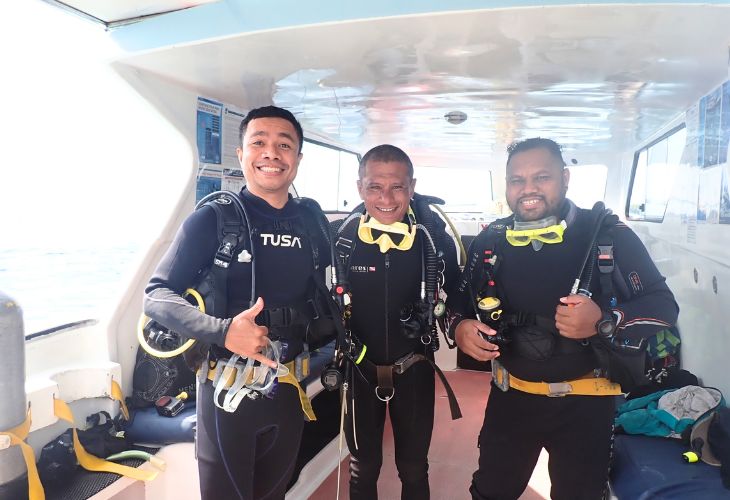
When you book a private dive guide, you are paired with a highly trained professional. At AquaMarine Diving – Bali, all guides are Instructor level or above.

This means you always have an experienced buddy by your side. As a result, your dives feel safer and more relaxed.

In addition, your guide focuses only on you. They monitor your air, depth, and comfort throughout the dive. If conditions change, they respond quickly and calmly.

For solo travellers or small groups, this level of attention makes a noticeable difference.

Ideal for Underwater Photography

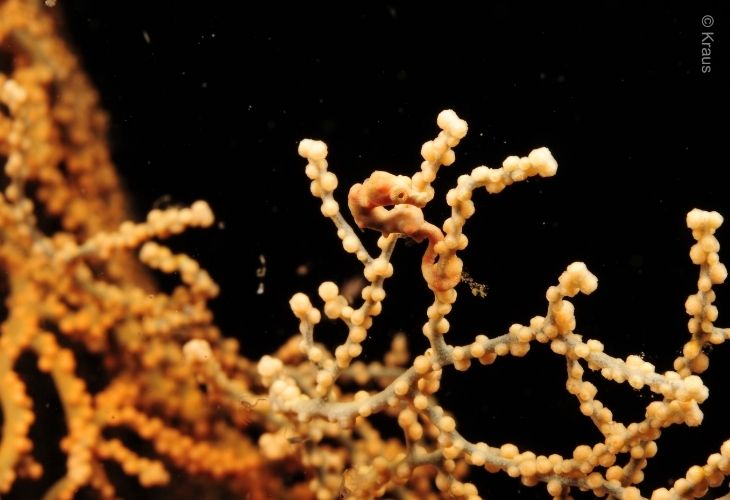
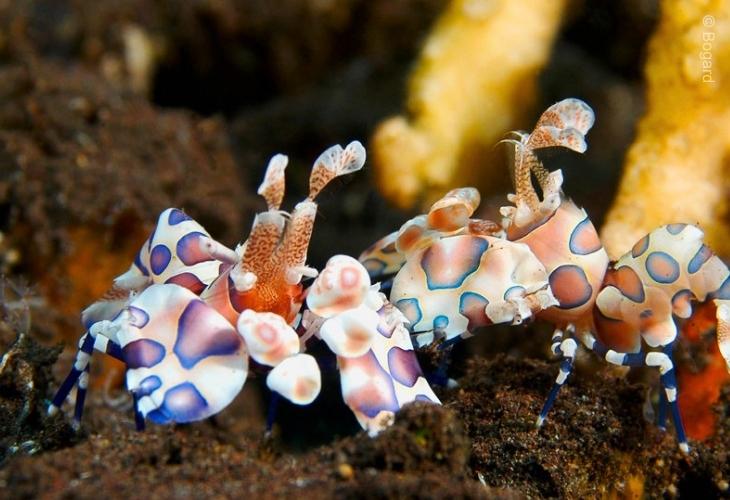
Bali is famous for macro diving. You will find rare and well-camouflaged critters almost everywhere.

If you are interested in underwater photography, hiring a private dive guide is a smart choice.

In a group dive, it is often difficult to stop and take your time. You may feel rushed or worry about falling behind. With a private guide, this problem disappears. You can move slowly, adjust your settings, and wait for the perfect shot.

Moreover, AquaMarine’s guides are also highly skilled at spotting marine life, helping you locate subjects that you might otherwise miss.

Underwater-Photography

Build Confidence and Improve Your Skills

For newer divers, or those who have recently completed their Open Water certification, a private guide offers an excellent opportunity to gain confidence in a relaxed and supportive environment.

With one-to-one attention, your guide can assist you in refining key skills such as buoyancy control, trim, and overall comfort underwater. This personalised approach often helps divers progress more quickly and feel more at ease during future dives.

Private-PADI-Instructor-with-AMD-B

Flexible Dive Plans at Your Own Pace

One of the main advantages of a private guide is flexibility. Your dives can be tailored entirely to your preferences, rather than following a fixed group plan.

Whether you are interested in exploring a wreck, enjoying a gentle drift dive, or keeping things shallow and relaxed, your guide can adjust the plan accordingly. You can also take your time during the dive, without feeling rushed or needing to keep up with others.

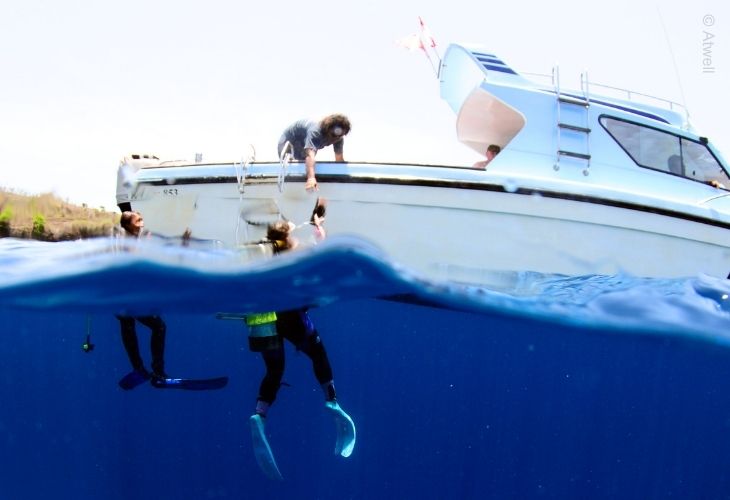
Private-Dive-Trip

A More Personalised Diving Experience

Ultimately, booking a private guide allows for a more personalised and comfortable diving experience. It provides the freedom to focus on what matters most to you—whether that is photography, skill development, or simply enjoying Bali’s underwater world at your own pace.

For many divers, this level of attention and flexibility turns an already memorable trip into something truly special.

Book a Private Dive Guide

Click below for more Bali Diving Information:

By Annisa, AMD-B’s 2026 Divemaster Internship
Dive Site: Drop Off

Tulamben Drop Off Dive Site: Exploring Bali’s Iconic Wall

Located in Tulamben Bay, the Drop Off—also known as the Tulamben Wall—is one of Bali’s most rewarding dive sites. While many divers visit the area for the famous USAT Liberty wreck, this nearby wall offers a quieter and equally captivating experience.

Formed by a historic lava flow from Mount Agung, the site features a mix of sandy slope, coral reef, and a dramatic vertical wall. It’s a dive that feels varied from start to finish, with something new to discover at every depth.

Drop-Off-Wall-Tulamben

A Unique Underwater Landscape

The dive begins on a sandy slope where macro life is easy to spot. Nudibranchs, shrimp, and small gobies are commonly found if you take your time.

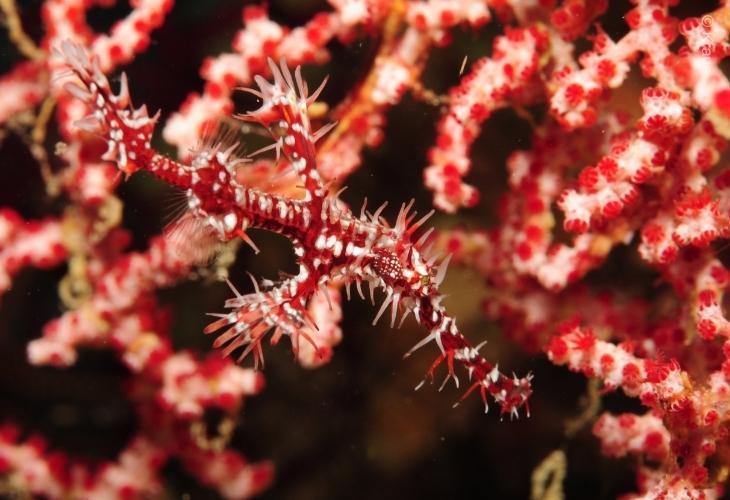
As you descend further, sponges and crinoids become more prominent, often hiding ghost pipefish and other delicate species. The reef gradually transitions into a vertical wall starting around 15 metres, dropping deep into the blue.

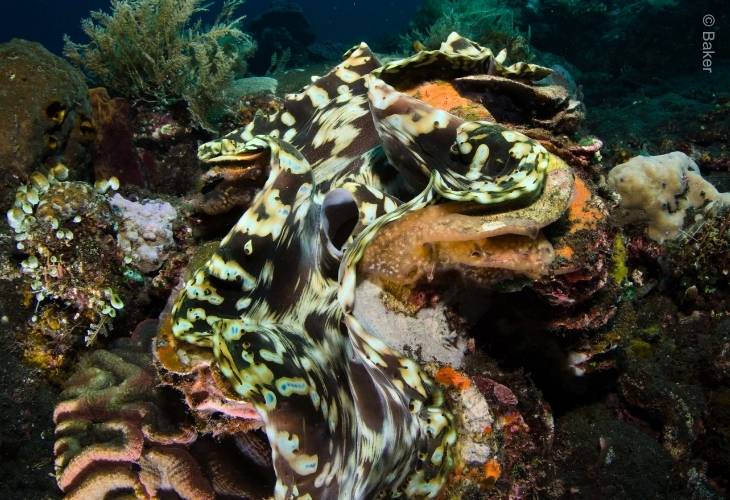
This wall is covered in hard and soft corals, black coral bushes, and large gorgonian fans, creating a colourful and textured underwater landscape.

Tulamben-Drop-Off-Dive-Site

Marine Life Highlights

The Drop Off is known for its diverse marine life, offering both macro and occasional larger encounters.

  • Bigger species: White-tip reef sharks, Napoleon wrasse, moray eels, and schooling fish are regularly seen.
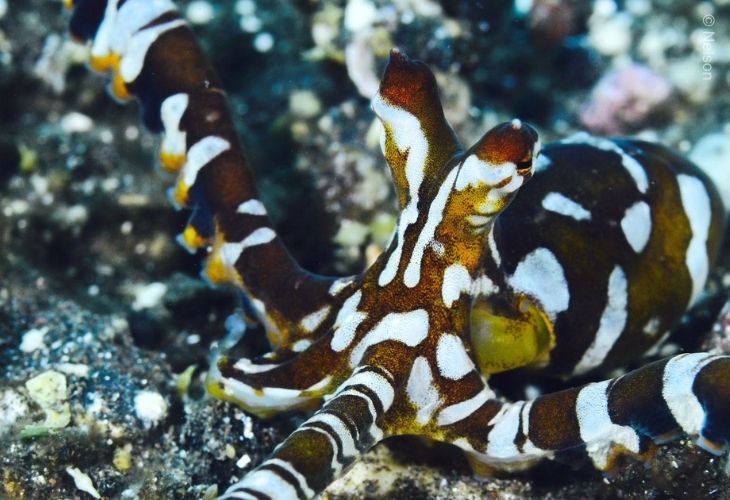
  • Macro life: Frogfish, octopus, crabs, and shrimp can be found hiding among corals and crevices.
  • Late dives: Lionfish become more active towards the evening.

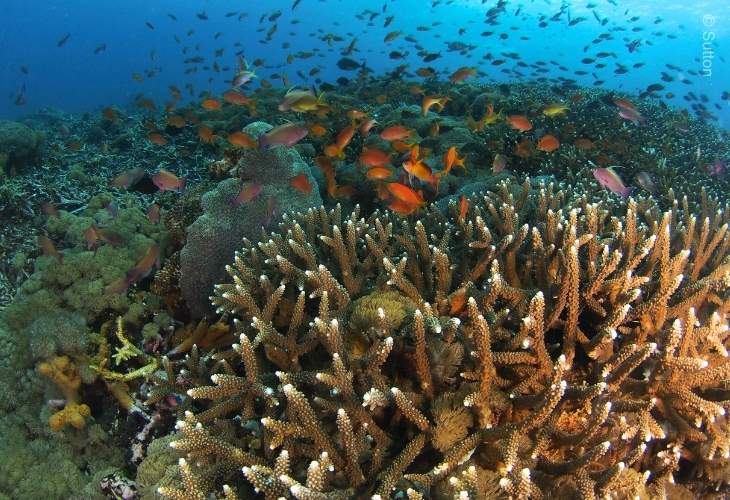
At the top of the wall, around 5 metres, the shallow “aquarium section” is full of reef fish, cuttlefish, and other small marine life—perfect for a relaxed finish or snorkelling.

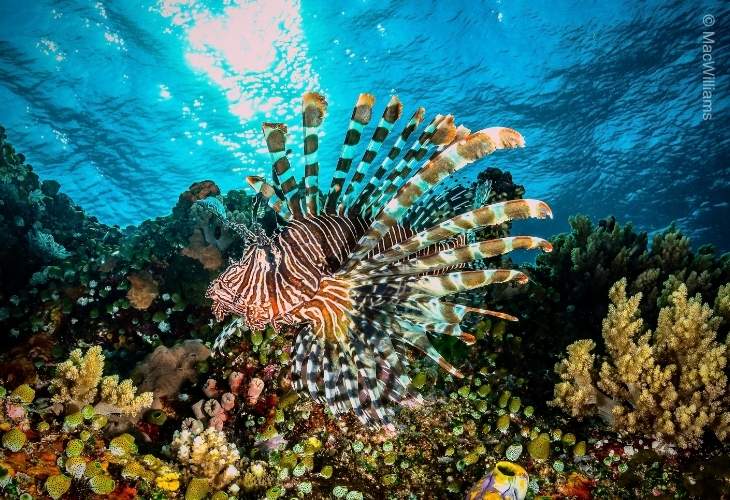
Lionfish-Night-Dive-Tulamben

Conditions & Accessibility

The Drop Off is popular for its generally calm conditions, making it suitable for a wide range of divers.

Visibility: Around 15–20 metres, best in the morning
Current: Usually mild
Depth: From 5 metres to deeper wall sections
Access: Easy shore entry

These conditions also make it a common site for training dives, including advanced and deep dive courses.

Drop-Off-Underwater-Visibility

Why It’s Worth Diving

Tulamben Drop Off offers a quieter alternative to the nearby wreck, with a balance of coral, marine life, and striking underwater scenery.

Whether you enjoy slow macro hunting or simply drifting along a colourful wall, it’s a dive that consistently delivers—without the crowds.

Tulamben Drop Off Day Trip

Click below for more Bali Diving Information:

Organic Waste Impact

The Hidden Impact of Organic Waste on Marine Ecosystems

When discussing marine pollution, plastic waste often receives the most attention. However, organic waste—originating from households, agriculture, industries, hotels, and resorts—also plays a significant role in affecting ocean health, often in less visible but equally damaging ways.

Unlike plastic, which mainly causes physical harm to marine life, organic waste affects the marine environment through chemical and ecological processes. Because it is less visible and harder to detect—especially in areas without consistent monitoring—its impact can go unnoticed until the damage becomes more serious. In coastal regions and island destinations, where waste management systems can be under pressure, this issue becomes even more relevant.

Organic-Waste

How Organic Waste Affects the Ocean

Organic waste is typically rich in nutrients such as nitrogen and phosphorus. When these nutrients enter marine ecosystems, they can trigger a process known as eutrophication, where excess nutrients fuel the rapid growth of algae and other marine organisms.

At lower levels, this can lead to macroalgae overgrowth, which competes with coral reefs for light, space, and nutrients. Over time, this competition can weaken coral health, reduce reef resilience, and limit the diversity of marine species that depend on these ecosystems.

At higher levels, eutrophication can result in the formation of “dead zones”—areas with very low oxygen levels where most marine life cannot survive. These conditions occur when large amounts of algae die and decompose, consuming oxygen in the process. As oxygen levels drop, fish and other marine organisms are forced to leave the area or may not survive.

Substrate-Covers-with-Algae

What Can Be Done?

Reducing the impact of organic waste requires both individual and collective action. Simple steps such as minimising food waste, adopting composting practices, and reusing greywater for irrigation can help reduce the amount of organic material entering waterways.

At the same time, effective waste management systems are essential. Proper segregation at source, reliable collection, and appropriate treatment of organic waste can significantly reduce the risk of nutrient pollution reaching the ocean. For businesses such as hotels and resorts, implementing sustainable waste practices can make a meaningful difference, particularly in coastal environments where the connection between land and sea is immediate.

Waste-Management-Waste-Bins

By Fahmi, AMD-B’s 2024 Divemaster Internship