Save! Join a Scheduled Trip or Course; check our “Specials” for limited time offers; subscribe to eNews for discounts, freebies, bonus offers in Bali and Beyond.
Organize diving in Bali and throughout Indonesia for your dive club or group of friends. Our dedicated team of specialists work with travel agencies around the world.
Why Diving in Indonesia Is Among the Best in the World
Diving in Indonesia is widely regarded as one of the finest experiences a diver can have anywhere in the world. With thousands of islands and vast stretches of ocean, the country offers an exceptional range of dive environments that are difficult to match elsewhere. From vibrant coral reefs to rare marine encounters, every dive feels both unique and memorable.
Rich Marine Biodiversity
Indonesia lies within the Coral Triangle, recognised as the global centre of marine biodiversity. This region supports an extraordinary variety of marine life, making each dive rich in discovery.
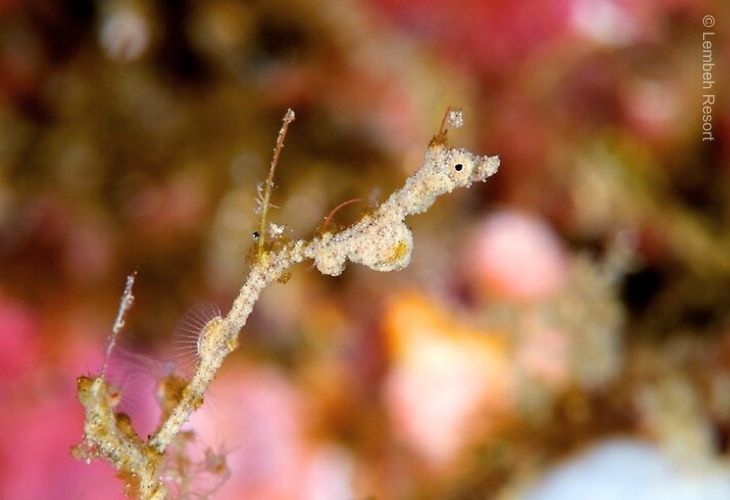
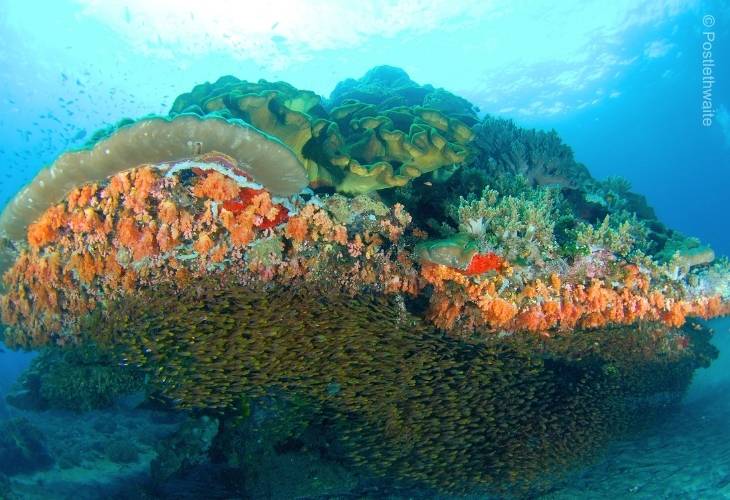
Divers can encounter everything from intricate macro species such as Lembeh sea dragon to larger marine animals including manta rays, reef sharks, and even Mola-Mola. The coral reefs themselves are equally impressive—colourful, healthy, and teeming with life. Many sites remain in excellent condition, allowing divers to experience underwater ecosystems at their most natural and vibrant.
A Wide Range of Dive Sites
One of Indonesia’s greatest strengths is its diversity of dive sites. Whether you prefer relaxed reef dives or more challenging conditions, there is always something new to explore.
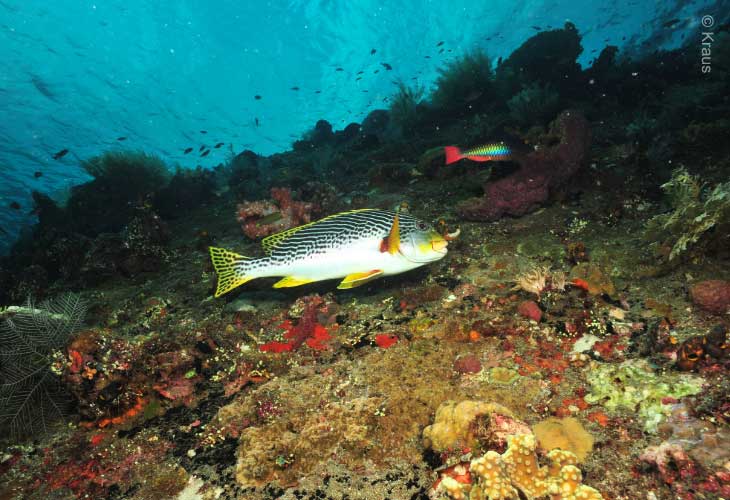
You will find coral gardens filled with reef fish, dramatic wall dives, historic wrecks, thrilling drift dives, and world-class muck diving for macro enthusiasts.
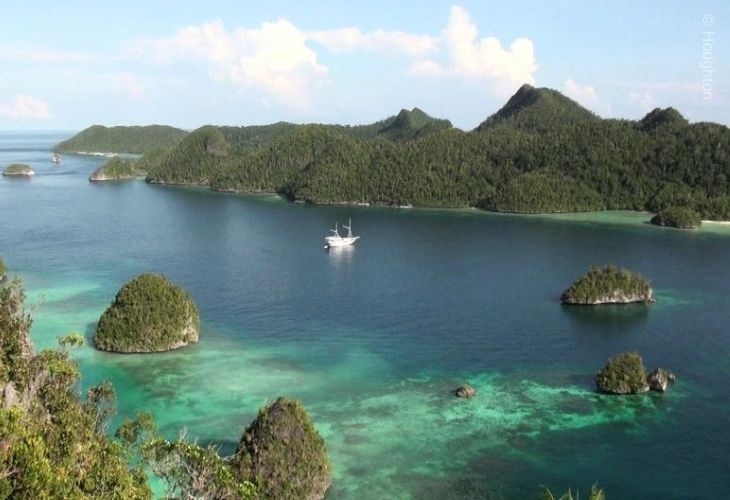
Each region offers its own distinct character. Bali is known for its versatility, Komodo National Park for stronger currents and larger marine species, Raja Ampat for unmatched biodiversity, and Lembeh Strait for exceptional macro diving. This variety ensures that divers can return multiple times and still discover something new.
Suitable for All Levels of Divers
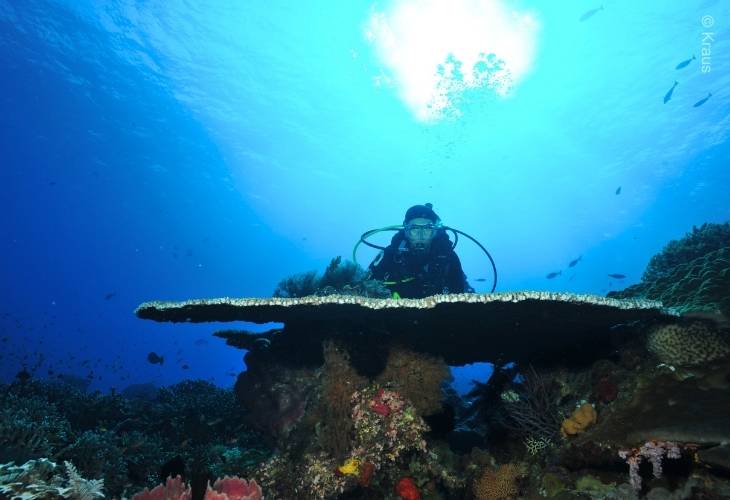
Indonesia is well-suited to divers of all experience levels. Beginners can enjoy calm sites with good visibility and minimal current, making it an ideal place to build confidence. More experienced divers can explore deeper dives, stronger currents, and specialised experiences.
Professional dive operators across the country follow recognised safety standards and provide guidance tailored to each diver’s level, ensuring a comfortable and enjoyable experience throughout.
A Complete Diving Experience
Overall, Indonesia offers a truly complete diving experience. Its combination of rich marine biodiversity, diverse dive sites, and suitability for all levels makes it easy to see why so many divers return time and again.
Whether you are just starting out or seeking your next unforgettable underwater adventure, diving in Indonesia continues to stand out as one of the best choices in the world. 🌊
Ready to Experience Diving in Indonesia?
If you are planning your next dive trip and want to make the most of your time underwater, diving with a knowledgeable and dedicated team can make all the difference.
At AquaMarine Diving – Bali, we offer personalised dive experiences tailored to your level, interests, and pace—whether you prefer relaxed reef dives, macro-focused exploration, or more advanced sites.
Feel free to get in touch with our team to start planning your diving adventure in Indonesia.
Why Book a Private Dive Guide with AquaMarine Diving - Bali?
Diving in Bali is an unforgettable experience. The island offers rich marine biodiversity, colourful coral reefs, and excellent dive conditions year-round.
However, if you want to elevate your experience, consider booking a private dive guide with AquaMarine Diving – Bali. It is a simple upgrade that can make a significant difference to your trip.
With a private guide—or a PADI Instructor—you gain more than just guidance. You gain safety, flexibility, and a more personalised experience.
A Highly Experienced and Reliable Dive Buddy
When you book a private dive guide, you are paired with a highly trained professional. At AquaMarine Diving – Bali, all guides are Instructor level or above.
This means you always have an experienced buddy by your side. As a result, your dives feel safer and more relaxed.
In addition, your guide focuses only on you. They monitor your air, depth, and comfort throughout the dive. If conditions change, they respond quickly and calmly.
For solo travellers or small groups, this level of attention makes a noticeable difference.
Ideal for Underwater Photography
Bali is famous for macro diving. You will find rare and well-camouflaged critters almost everywhere.
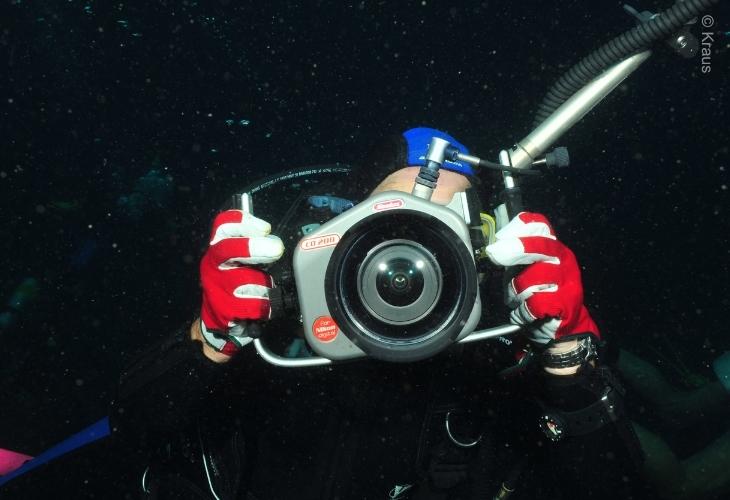
If you are interested in underwater photography, hiring a private dive guide is a smart choice.
In a group dive, it is often difficult to stop and take your time. You may feel rushed or worry about falling behind. With a private guide, this problem disappears. You can move slowly, adjust your settings, and wait for the perfect shot.
Moreover, AquaMarine’s guides are also highly skilled at spotting marine life, helping you locate subjects that you might otherwise miss.
Build Confidence and Improve Your Skills
For newer divers, or those who have recently completed their Open Water certification, a private guide offers an excellent opportunity to gain confidence in a relaxed and supportive environment.
With one-to-one attention, your guide can assist you in refining key skills such as buoyancy control, trim, and overall comfort underwater. This personalised approach often helps divers progress more quickly and feel more at ease during future dives.
Flexible Dive Plans at Your Own Pace
One of the main advantages of a private guide is flexibility. Your dives can be tailored entirely to your preferences, rather than following a fixed group plan.
Whether you are interested in exploring a wreck, enjoying a gentle drift dive, or keeping things shallow and relaxed, your guide can adjust the plan accordingly. You can also take your time during the dive, without feeling rushed or needing to keep up with others.
A More Personalised Diving Experience
Ultimately, booking a private guide allows for a more personalised and comfortable diving experience. It provides the freedom to focus on what matters most to you—whether that is photography, skill development, or simply enjoying Bali’s underwater world at your own pace.
For many divers, this level of attention and flexibility turns an already memorable trip into something truly special.
Tulamben Drop Off Dive Site: Exploring Bali’s Iconic Wall
Located in Tulamben Bay, the Drop Off—also known as the Tulamben Wall—is one of Bali’s most rewarding dive sites. While many divers visit the area for the famous USAT Liberty wreck, this nearby wall offers a quieter and equally captivating experience.
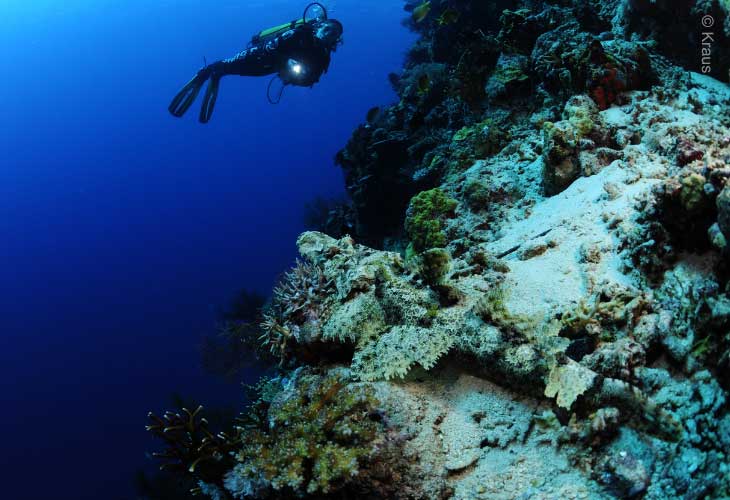
Formed by a historic lava flow from Mount Agung, the site features a mix of sandy slope, coral reef, and a dramatic vertical wall. It’s a dive that feels varied from start to finish, with something new to discover at every depth.
A Unique Underwater Landscape
The dive begins on a sandy slope where macro life is easy to spot. Nudibranchs, shrimp, and small gobies are commonly found if you take your time.
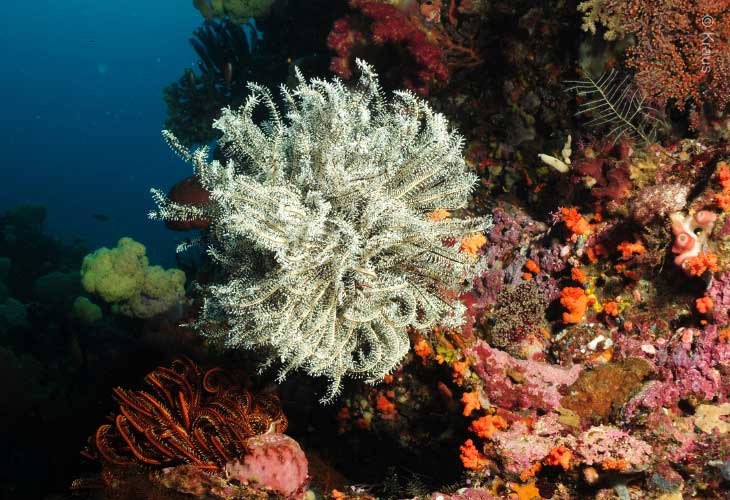
As you descend further, sponges and crinoids become more prominent, often hiding ghost pipefish and other delicate species. The reef gradually transitions into a vertical wall starting around 15 metres, dropping deep into the blue.
This wall is covered in hard and soft corals, black coral bushes, and large gorgonian fans, creating a colourful and textured underwater landscape.
Marine Life Highlights
The Drop Off is known for its diverse marine life, offering both macro and occasional larger encounters.
Bigger species: White-tip reef sharks, Napoleon wrasse, moray eels, and schooling fish are regularly seen.
Macro life: Frogfish, octopus, crabs, and shrimp can be found hiding among corals and crevices.
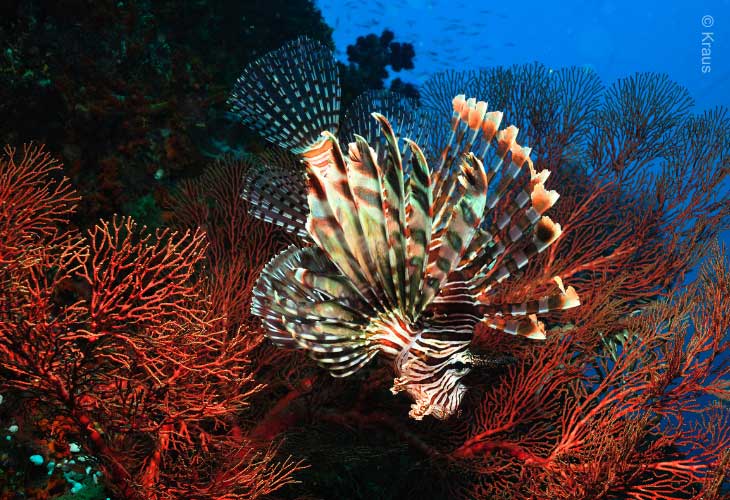
Late dives: Lionfish become more active towards the evening.
At the top of the wall, around 5 metres, the shallow “aquarium section” is full of reef fish, cuttlefish, and other small marine life—perfect for a relaxed finish or snorkelling.
Conditions & Accessibility
The Drop Off is popular for its generally calm conditions, making it suitable for a wide range of divers.
Visibility: Around 15–20 metres, best in the morning Current: Usually mild Depth: From 5 metres to deeper wall sections Access: Easy shore entry
These conditions also make it a common site for training dives, including advanced and deep dive courses.
Why It’s Worth Diving
Tulamben Drop Off offers a quieter alternative to the nearby wreck, with a balance of coral, marine life, and striking underwater scenery.
Whether you enjoy slow macro hunting or simply drifting along a colourful wall, it’s a dive that consistently delivers—without the crowds.