Save! Join a Scheduled Trip or Course; check our “Specials” for limited time offers; subscribe to eNews for discounts, freebies, bonus offers in Bali and Beyond.
Organize diving in Bali and throughout Indonesia for your dive club or group of friends. Our dedicated team of specialists work with travel agencies around the world.
Tulamben Drop Off Dive Site: Exploring Bali’s Iconic Wall
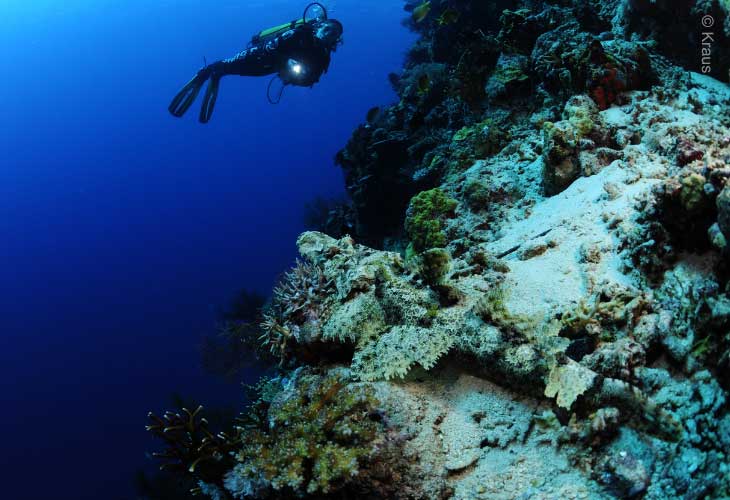
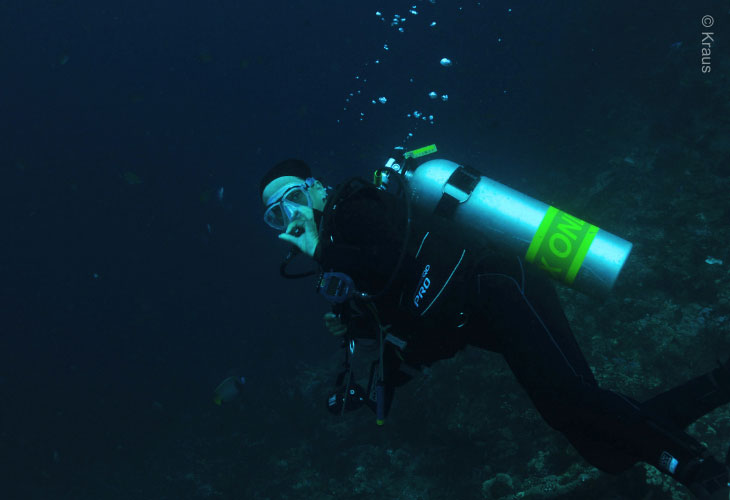
Located in Tulamben Bay, the Drop Off—also known as the Tulamben Wall—is one of Bali’s most rewarding dive sites. While many divers visit the area for the famous USAT Liberty wreck, this nearby wall offers a quieter and equally captivating experience.
Formed by a historic lava flow from Mount Agung, the site features a mix of sandy slope, coral reef, and a dramatic vertical wall. It’s a dive that feels varied from start to finish, with something new to discover at every depth.
A Unique Underwater Landscape
The dive begins on a sandy slope where macro life is easy to spot. Nudibranchs, shrimp, and small gobies are commonly found if you take your time.
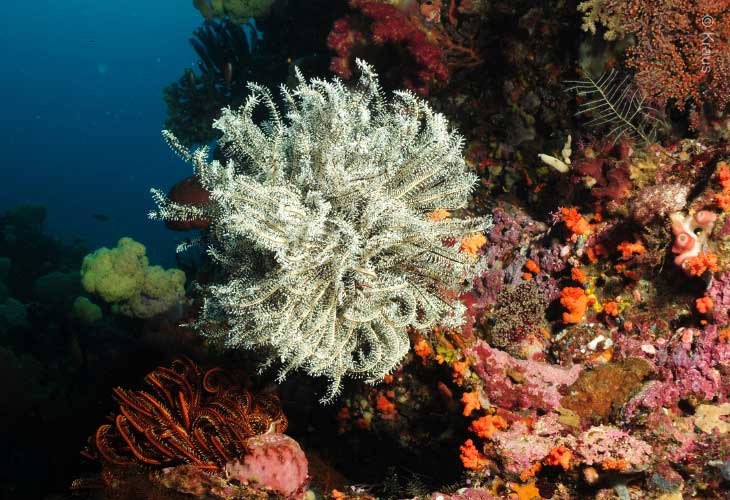
As you descend further, sponges and crinoids become more prominent, often hiding ghost pipefish and other delicate species. The reef gradually transitions into a vertical wall starting around 15 metres, dropping deep into the blue.
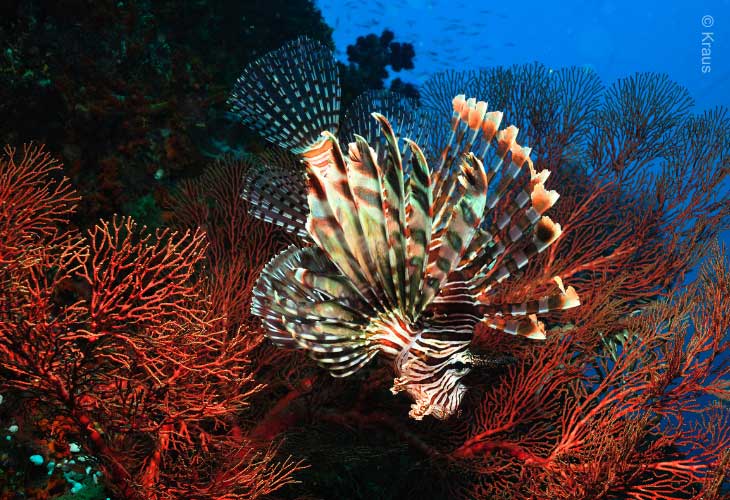
This wall is covered in hard and soft corals, black coral bushes, and large gorgonian fans, creating a colourful and textured underwater landscape.
Marine Life Highlights
The Drop Off is known for its diverse marine life, offering both macro and occasional larger encounters.
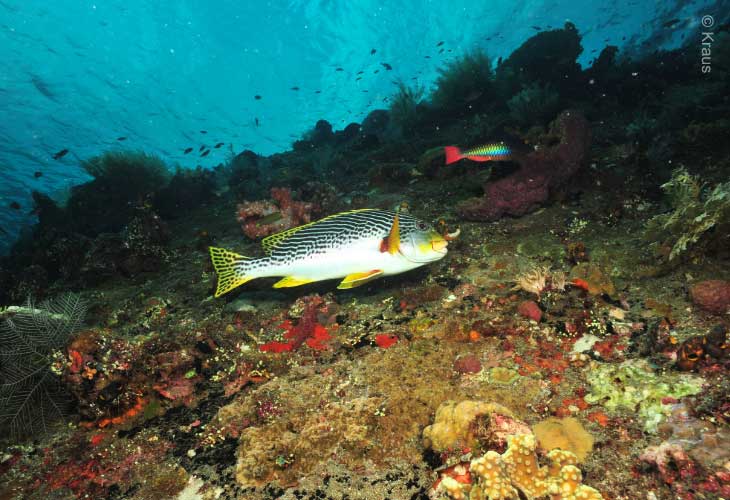
Bigger species: White-tip reef sharks, Napoleon wrasse, moray eels, and schooling fish are regularly seen.
Macro life: Frogfish, octopus, crabs, and shrimp can be found hiding among corals and crevices.
Late dives: Lionfish become more active towards the evening.
At the top of the wall, around 5 metres, the shallow “aquarium section” is full of reef fish, cuttlefish, and other small marine life—perfect for a relaxed finish or snorkelling.
Conditions & Accessibility
The Drop Off is popular for its generally calm conditions, making it suitable for a wide range of divers.
Visibility: Around 15–20 metres, best in the morning Current: Usually mild Depth: From 5 metres to deeper wall sections Access: Easy shore entry
These conditions also make it a common site for training dives, including advanced and deep dive courses.
Why It’s Worth Diving
Tulamben Drop Off offers a quieter alternative to the nearby wreck, with a balance of coral, marine life, and striking underwater scenery.
Whether you enjoy slow macro hunting or simply drifting along a colourful wall, it’s a dive that consistently delivers—without the crowds.
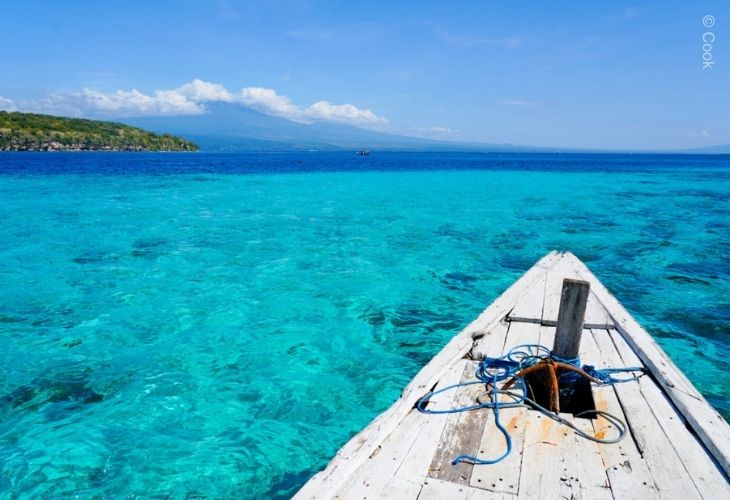
If you’re planning a trip to Bali, one of the first things you’ll probably wonder is when to go.
The simple answer is that Bali is a year-round destination. But in reality, the timing can make a difference depending on what you want to do and how you like to travel.
Dry Season (April to October)
This is generally the most popular time to visit—and for good reason. Most days are sunny, the humidity is lower, and it’s just more comfortable to be out and about.
If you’re planning activities like diving, snorkelling, or exploring different parts of the island, this is usually the easiest time to do it. Sea conditions tend to be calmer, and getting out on the water is more reliable.
That said, it’s worth noting that July and August are peak months. It can get busy, and prices often go up during this period. If you prefer things a bit quieter, travelling just before or after those months can be a nice balance. April to June, in particular, is often a sweet spot.
Wet Season (November to March)
The wet season is often misunderstood. It doesn’t usually rain all day—more often, you’ll get short, heavy showers, typically in the afternoon or evening.
Mornings are often still clear, which means you can plan your activities earlier in the day and take it slower later on.
This time of year feels greener, calmer, and less crowded overall. If you don’t mind a bit of flexibility in your plans, it can actually be a really enjoyable time to visit—and often better value too.
So, When Should You Visit?
If you want predictable sunshine and the best overall conditions for outdoor activities, the dry season is the safest choice.
But if you’re happy to work around occasional rain and prefer fewer crowds, the wet season has its own charm.
In the end, Bali doesn’t really have a bad time to visit—just different atmospheres depending on the season. 🌴
Nitrox Course Benefits: Why Divers Choose Enriched Air Nitrox
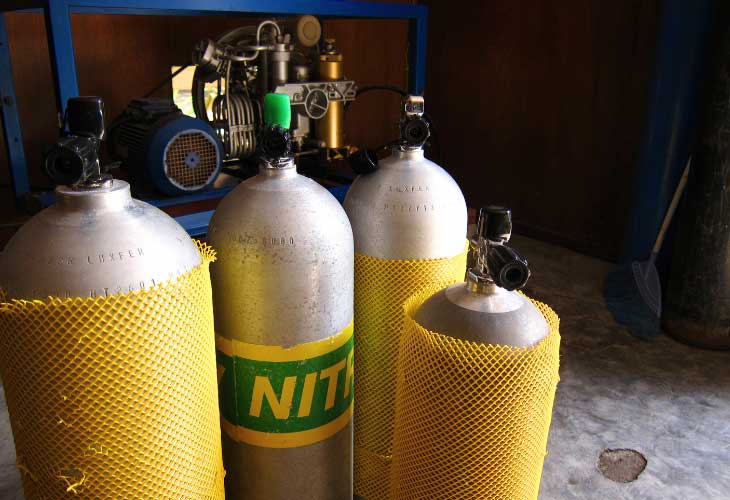
Nitrox course benefits are one of the main reasons many recreational divers choose to dive with enriched air. Enriched Air Nitrox, often shortened to EANx, contains a higher percentage of oxygen and less nitrogen than regular air. This difference can provide several useful advantages underwater, especially for divers who plan to dive frequently.
For many divers, learning to use Nitrox is a simple step that can make diving more efficient and comfortable.
Longer Bottom Time
One of the biggest Nitrox course benefits is the ability to extend bottom time. Because Nitrox contains less nitrogen than standard air, your body absorbs less nitrogen during the dive.
With reduced nitrogen absorption, divers can often stay within no-decompression limits for longer periods. This means you may be able to spend more time exploring the reef before needing to ascend.
This advantage is particularly useful for underwater photographers or divers who want more time to observe marine life.
Better for Multiple Dives
Another important Nitrox course benefit is how helpful it can be when doing multiple dives in a day. Since the body absorbs less nitrogen, surface intervals can be more efficient, and repetitive dives may feel less restrictive.
Many liveaboards and dive centres recommend Nitrox for this reason, as it allows divers to manage nitrogen exposure more effectively across several dives.
Using Nitrox can also reduce the risk of decompression sickness when dive profiles are planned correctly.
Feeling Less Tired After Diving
Many divers say they feel less fatigued after diving with Nitrox. While experiences vary from diver to diver, the reduced nitrogen build-up may contribute to feeling more refreshed after a day of diving.
For divers doing several dives in a single day, this can make the overall experience more enjoyable and comfortable.
Why Take a Nitrox Course?
Although Nitrox offers several advantages, it does require proper training. In a Nitrox course, divers learn how to analyse the oxygen content in their tanks, understand maximum operating depths, and manage oxygen exposure safely.
Breathing oxygen-rich gas at depth requires awareness and proper dive planning, but these skills are straightforward to learn during the course.
Once certified, many divers find Nitrox easy to use and appreciate the added flexibility it offers. For divers who frequently make multiple dives in a day, a Nitrox certification can be especially useful. It is a simple course that can make future dives longer, safer, and more comfortable.