

The Benefits of Taking a Nitrox Course

Nitrox Course Benefits: Why Divers Choose Enriched Air Nitrox

Nitrox course benefits are one of the main reasons many recreational divers choose to dive with enriched air. Enriched Air Nitrox, often shortened to EANx, contains a higher percentage of oxygen and less nitrogen than regular air. This difference can provide several useful advantages underwater, especially for divers who plan to dive frequently.

For many divers, learning to use Nitrox is a simple step that can make diving more efficient and comfortable.

Nitrox-Course-Benefits

Longer Bottom Time

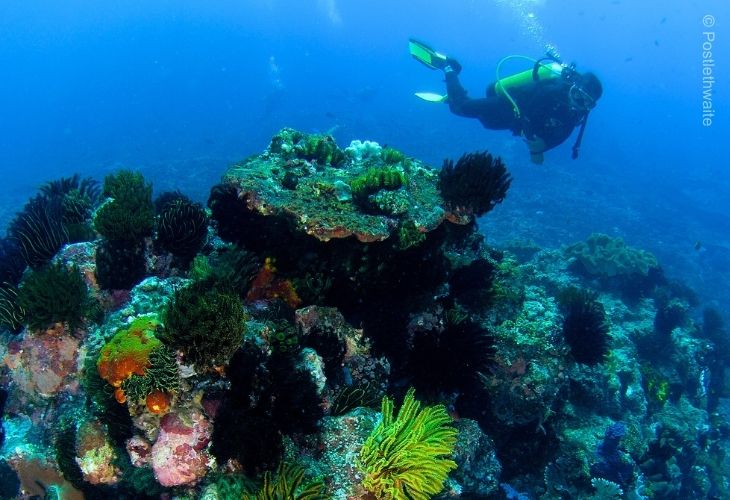
One of the biggest Nitrox course benefits is the ability to extend bottom time. Because Nitrox contains less nitrogen than standard air, your body absorbs less nitrogen during the dive.

With reduced nitrogen absorption, divers can often stay within no-decompression limits for longer periods. This means you may be able to spend more time exploring the reef before needing to ascend.

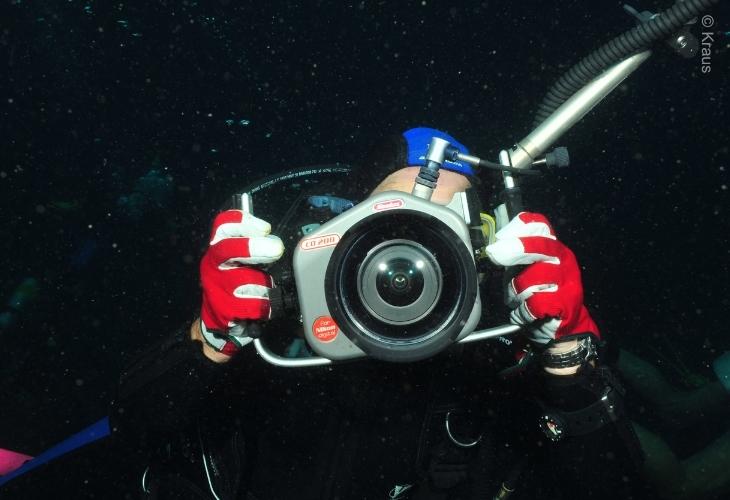
This advantage is particularly useful for underwater photographers or divers who want more time to observe marine life.

Better for Multiple Dives

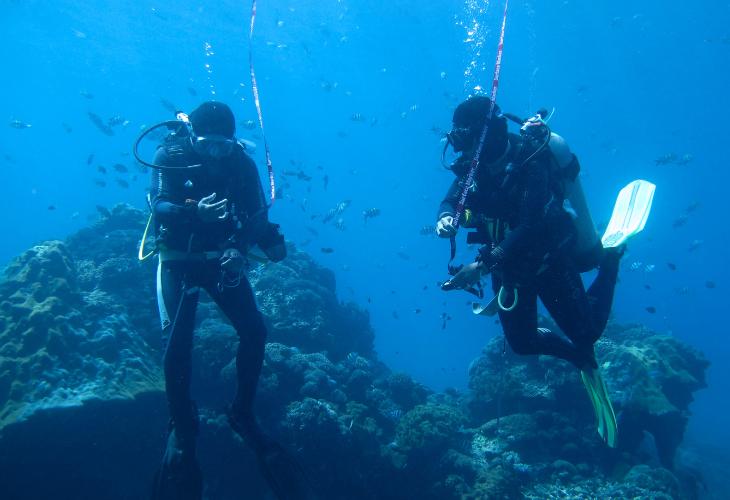
Another important Nitrox course benefit is how helpful it can be when doing multiple dives in a day. Since the body absorbs less nitrogen, surface intervals can be more efficient, and repetitive dives may feel less restrictive.

Many liveaboards and dive centres recommend Nitrox for this reason, as it allows divers to manage nitrogen exposure more effectively across several dives.

Using Nitrox can also reduce the risk of decompression sickness when dive profiles are planned correctly.

Feeling Less Tired After Diving

Many divers say they feel less fatigued after diving with Nitrox. While experiences vary from diver to diver, the reduced nitrogen build-up may contribute to feeling more refreshed after a day of diving.

For divers doing several dives in a single day, this can make the overall experience more enjoyable and comfortable.

Why-Take-a-Nitrox-Course

Why Take a Nitrox Course?

Although Nitrox offers several advantages, it does require proper training. In a Nitrox course, divers learn how to analyse the oxygen content in their tanks, understand maximum operating depths, and manage oxygen exposure safely.

Breathing oxygen-rich gas at depth requires awareness and proper dive planning, but these skills are straightforward to learn during the course.

Once certified, many divers find Nitrox easy to use and appreciate the added flexibility it offers. For divers who frequently make multiple dives in a day, a Nitrox certification can be especially useful. It is a simple course that can make future dives longer, safer, and more comfortable.

PADI Nitrox (Enriched Air) Course

Click below for more PADI Dive Courses Information:

By Fahmi, AMD-B’s 2024 Divemaster Intern

Gorontalo Diving

Gorontalo Diving: Calm Wall Diving in Tomini Bay

Located along the northern coastline of Tomini Bay, Gorontalo is a low-key dive destination that remains largely off the mainstream diving route in Indonesia. The area is characterised by steep reef walls, warm water, and generally calm conditions, making it suitable for relaxed, unhurried diving.

Diving here is less about dramatic single highlights and more about consistent, enjoyable reef diving in a quiet setting.

Gorontalo-Diving

Dive Style and Topography

Diving in Gorontalo is mainly along walls and sloping reefs that start shallow and drop into deeper water. Dive profiles are straightforward, allowing divers to spend most of the dive at moderate depth before gradually ascending along the reef.

This layout supports relaxed dive planning and comfortable bottom times.

Marine Life

Reef life in Gorontalo is healthy and varied, with schooling reef fish commonly seen along the walls, including fusiliers and snappers. Butterflyfish, angelfish, and wrasses are present across most sites.

Whale sharks are one of Gorontalo’s main attractions. Sightings are frequent in certain coastal areas under specific conditions, making encounters more likely here than in many other parts of Indonesia, though never guaranteed. These encounters are typically conducted separately from regular reef dives and follow local guidelines.

Divers may also encounter nudibranchs, small invertebrates, gobies, octopus, and cuttlefish, while larger pelagic fish occasionally pass through the walls during standard dives.

Whale-Sharks-Attractions

Conditions and Suitability

Water temperatures are warm year-round, with generally good visibility. Currents vary by site and tide but are usually manageable.

Gorontalo diving suits certified divers with basic wall-diving experience, underwater photographers, and those who prefer calm, unpressured diving rather than high-energy drift dives.

If you would like more information about diving in Gorontalo, or advice on whether it suits your experience level and travel plans, please contact us. We will be happy to discuss conditions, logistics, and how Gorontalo may fit into a wider Indonesia diving itinerary.

Holidays Throughout Indonesia

Click below for more Indonesia’s Diving Information:

Dive Site: Coral Garden

Coral Garden: Tulamben Bay’s House Reef

Coral Garden is located in the middle section of Tulamben Bay and is often referred to as the area’s house reef. The site stretches for approximately 150 metres along the shoreline and is characterised by shallow depths and generally calm conditions, making it suitable for a wide range of divers as well as snorkellers.

Depths start at around 3 metres and gradually slope down to approximately 8–12 metres. Because of this shallow profile, Coral Garden is commonly used for check dives, training dives, relaxed daytime dives, and night dives.

Coral Garden is well suited for:
– beginner and student divers;
– divers looking for an easy, shallow dive;
– underwater photographers focused on macro life;
– night diving enthusiasts.

Its central location also makes it easy to combine with nearby sites, including the USAT Liberty Shipwreck, as part of a single dive day or longer dive programme.

Coral-Garden-Tulamben

Reef Layout and Coral Coverage

The reef features a mix of hard and soft corals, including table corals, anemones, and sponges. Coral coverage is well established and supports a variety of marine life. An artificial reef structure has also been placed within the area, providing additional habitat for fish and invertebrates.

The seabed is mainly sandy with scattered coral patches, allowing for easy navigation and long bottom times. Visibility is generally good, and currents are usually mild.

Peacock-Mantis-Shrimp

Marine Life at Coral Garden

Coral Garden is particularly known for its macro life, making it a popular site for underwater photographers. Divers who move slowly and observe carefully are often rewarded with interesting and varied sightings.

Marine life commonly encountered includes:
– peacock mantis shrimp and other shrimp species,
– blue ribbon eels,
– nudibranchs and other small invertebrates,
– cuttlefish and octopus,
– frogfish and ghostpipefish.

Larger species may also be seen occasionally, including giant groupers, bumphead parrotfish, and sometimes black-tip reef sharks, especially along the deeper edges of the site.

Spanish-Dancers

Night Diving at Coral Garden

Thanks to its shallow depth and easy access, Coral Garden is a popular night dive site in Tulamben Bay. After dark, many nocturnal species emerge from the reef, offering a very different experience compared to daytime dives.

Divers may encounter Spanish dancers, hunting octopus, and active crustaceans. The calm conditions make this site especially suitable for divers who are new to night diving.

Tulamben Bay Day Trip

Click below for more Bali Diving Information: