


Walking Shark

Walking Shark: Pioneers of Coral Reefs

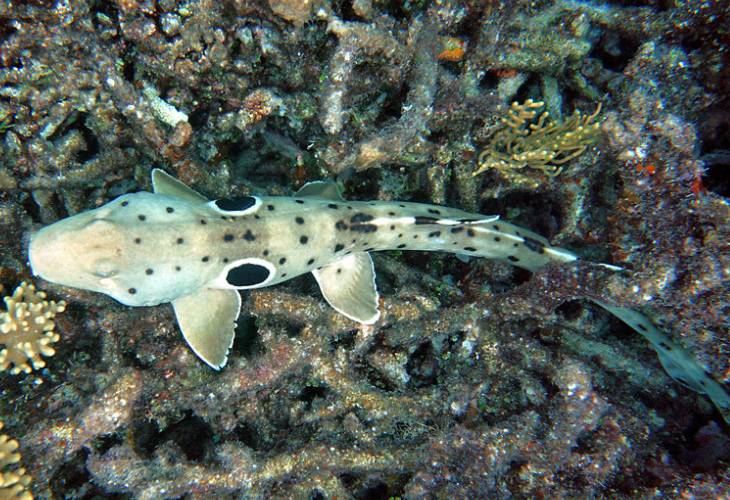
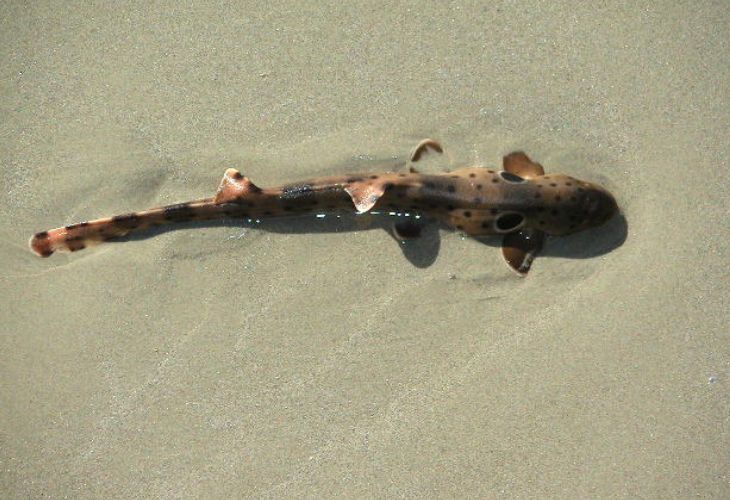
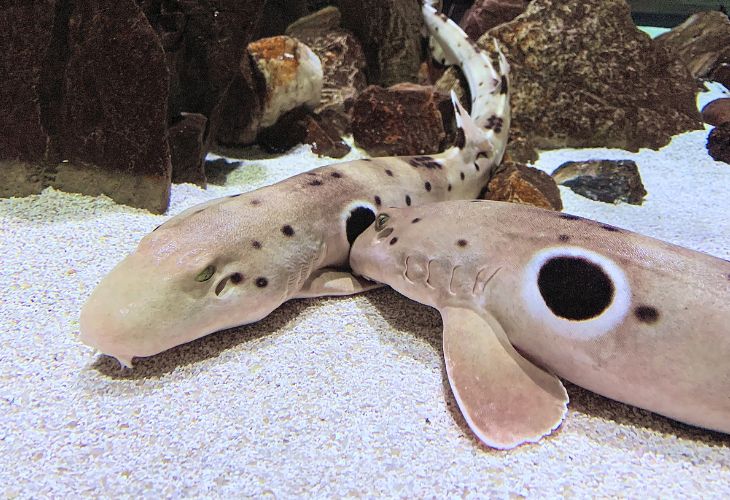
Walking shark, also known as epaulette sharks (from the genus Hemiscyllium), are a group of small, reef-dwelling sharks with the remarkable ability to “walk” using their pectoral and pelvic fins. Growing to around 1 metre (3.3 feet) in length, they are relatively small and pose no threat to humans. Their common name comes from the distinctive oval-shaped markings behind their pectoral fins, which resemble military epaulettes.

Although they are capable swimmers, walking sharks are most often seen moving across the seabed. They use their fins to “walk” over coral rubble, through narrow reef crevices and across shallow tidal pools. This unusual form of movement allows them to hunt in places that many other predators cannot reach, including intertidal areas and waters with very low oxygen levels.
Walking-Shark-Coral-Reef

How do they walk?

Walking sharks use their paired fins like limbs, moving them alternately in a way that resembles the gait of a land animal. This is more than an unusual behaviour; it is an important adaptation that helps them survive. During low tide, they can move across exposed reef flats and shallow pools to search for food or return to deeper water.

Their movement may be slow, but it is highly effective. Walking allows them to explore every corner of the reef, reaching prey hidden among corals and rocks. Their diet includes crustaceans, worms and small fish that shelter in tight spaces. Staying close to the reef also helps them avoid larger predators that patrol open water.
Epaulette-Shark-Seabed

Pioneers of coral reef survival

Walking sharks are remarkable examples of resilience and adaptation. They can tolerate warm tidal pools and water with very low oxygen levels, making them well suited to some of the reef’s most challenging environments. Scientists believe these adaptations could provide valuable insights into how marine species respond to changing climates and habitats.

They are also among the youngest known shark groups in evolutionary terms. Research suggests that walking sharks began diverging from their closest relatives around 9 million years ago, making them an important example of relatively recent evolution and speciation.
Coral-Reef-Predator

Conservation and future research

Despite their resilience, walking sharks are still vulnerable to the threats affecting coral reefs worldwide. Habitat loss, pollution and climate change all place pressure on the reefs they depend on. Protecting healthy coral reef ecosystems is essential not only for walking sharks but also for the countless marine species that share their habitat.

Researchers continue to study walking shark to better understand their biology, behaviour and ecological role. Their unique adaptations may provide valuable clues about how marine life can cope with environmental change, highlighting the importance of conserving these extraordinary reef inhabitants.

By Alfari, AMD-B’s 2025 Divemaster Intern
Rare Marine Creatures Found in Tulamben

Rare Marine Creatures Found in Tulamben

Rare-Marine-Creatures

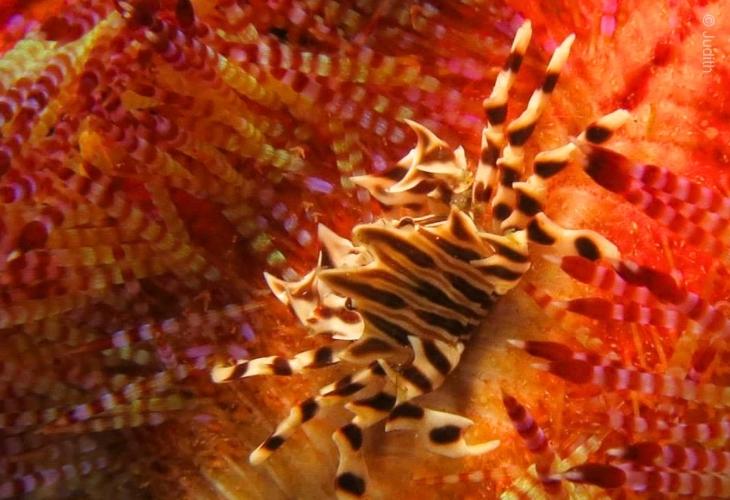
Zebra Crab (Zebrida adamsii)

Tulamben is one of Bali’s best-known dive destinations, famous for the iconic 120m USAT Liberty Shipwreck and easy shore diving. Beyond the wreck, Tulamben is also one of Bali’s most rewarding places for macro diving, with black volcanic sand, coral reefs and artificial structures creating ideal habitats for unusual marine life.

Warm water throughout the year and a wide range of dive sites make Tulamben a favourite for divers hoping to discover small, well-camouflaged species. With patience and a careful eye, even a quiet dive here can reveal some fascinating underwater encounters.

Ghost-Pipefish-Tulamben

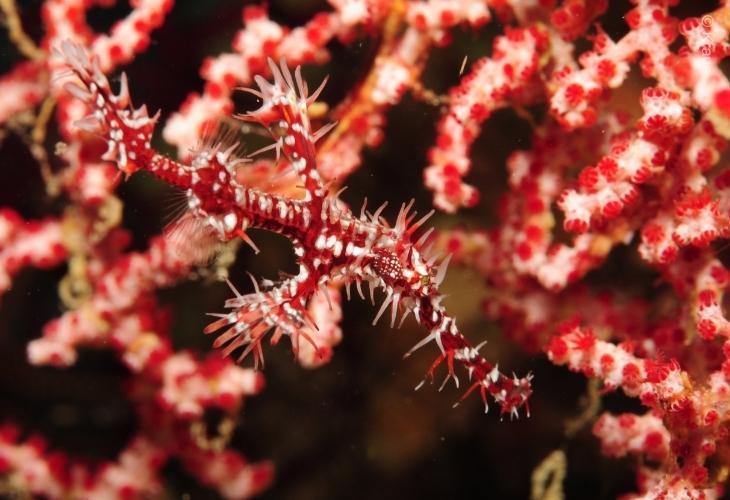
Ghost Pipefish Ornate (Solenostomus paradoxus)

Rare Marine Creatures You Can Find in Tulamben

Tulamben offers opportunities to encounter remarkable species that are not seen on every dive.

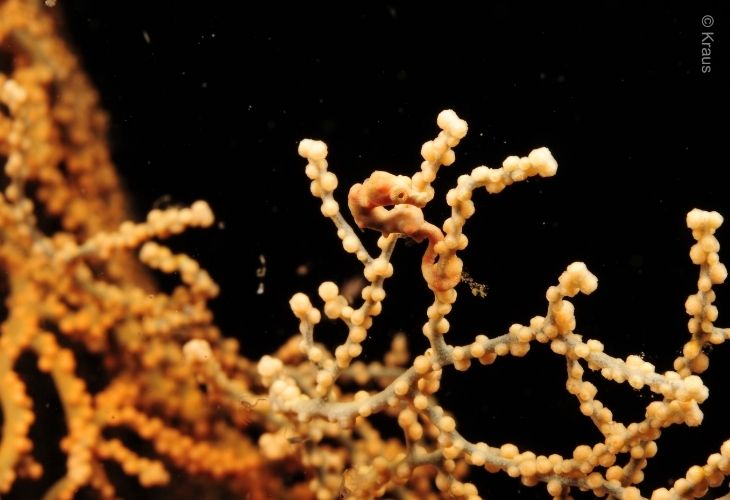
  • Pygmy seahorse
    These tiny seahorses are among the smallest in the ocean and are usually found clinging to sea fans.
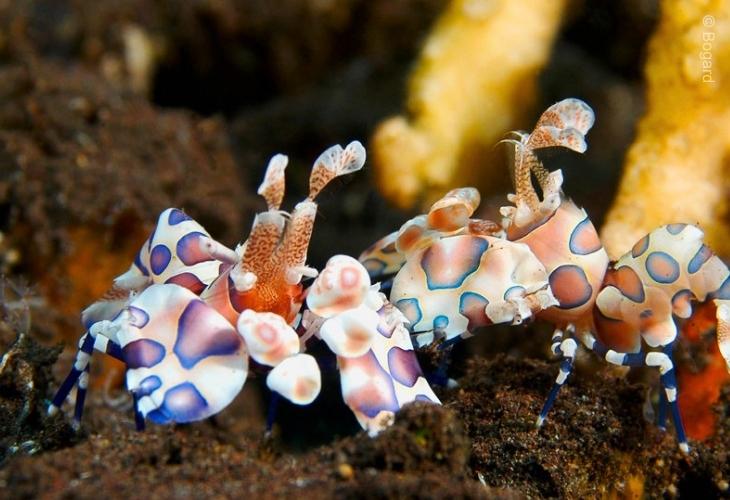
  • Harlequin shrimp
    Known for their striking patterns, harlequin shrimp are a favourite subject for macro photographers.
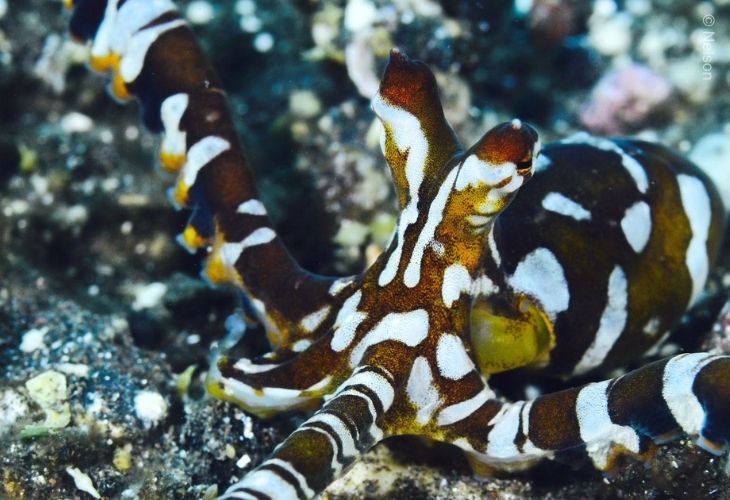
  • Octopus wonderpus
    This unusual octopus is recognised by its distinctive markings and graceful movement across sandy seabeds.
  • Zebra crab
    These small striped crabs are often found living among sea urchins, hidden among the spines.
  • Ghost pipefish
    Delicate and well camouflaged, ghost pipefish often resemble floating leaves or pieces of coral.
Octopus-Wonderpus-Tulamben

Octopus Wonderpus (Wonderpus photogenicus)

Best Dive Sites in Tulamben for Marine Encounters

120m USAT Liberty Shipwreck. Famous for coral growth and schooling fish, the wreck also shelters smaller marine species around the structure.

Batu Ringgit. A quieter site near Kubu, known for black sand slopes and excellent macro encounters.

Seraya Secret. One of Bali’s best-known macro dive sites, ideal for spotting rare critters and unusual underwater life.

Pygmy-Seahorse-Tulamben

Seahorse Denise’s Pygmy (Hippocampus denise)

Tips for Discovering Rare Marine Creatures

Tulamben’s smaller marine life is often easy to miss. Many species are perfectly camouflaged, blending into coral, sand or rubble, so the best approach is to dive slowly and take time to look closely.

Our experienced guides know Tulamben’s dive sites exceptionally well and are skilled at spotting the tiny details that many divers would otherwise swim past. For divers with a special interest in macro life, booking a private guide is often the best choice, allowing more time to search carefully and enjoy each sighting at a relaxed pace.

If discovering Bali’s rare marine life is part of your diving wish list, Tulamben offers some truly memorable encounters — especially when you know where to look.

Harlequin-Shrimp-Tulamben

Shrimp Harlequin (Hymenocera elegans)

Tulamben 1 Day Trip

Click below for more Bali Diving Information:

By Nanda, AMD-B’s 2026 Divemaster Intern

The Frogfish Family

Frogfish Family: Incredible Camouflage, Colourful Species & Hunting Secrets

Frogfish are among the ocean’s most unusual and fascinating creatures. Part of the anglerfish family, they’re masters of disguise, relying on stealth rather than speed to survive. Their lumpy, textured bodies let them blend effortlessly with coral, sponges, or rocks, making them almost invisible to predators and prey alike.

They are ambush predators, using a specialised dorsal spine called an illicium as a lure. With a flick, unsuspecting prey is drawn close — then, in a fraction of a second, the frogfish snaps it up. Adding to their uniqueness, they can “walk” along the seabed using their pectoral fins, moving in a way that almost mimics legs.

Warty Frogfish

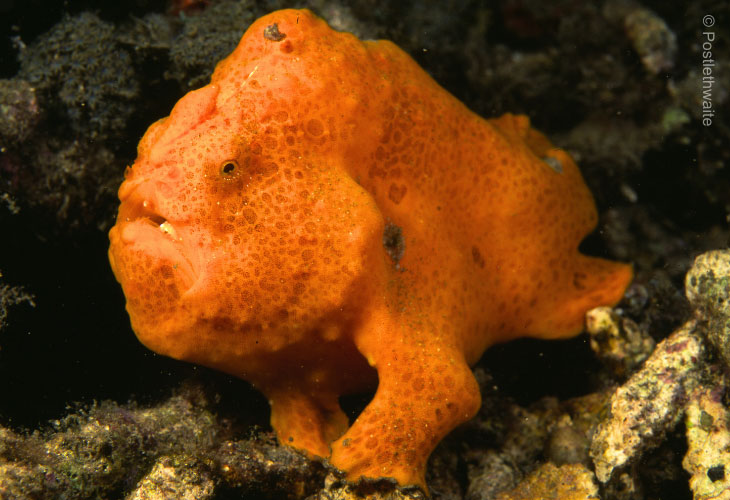
The Warty Frogfish gets its name from the small wart-like bumps covering its body. It comes in a range of colours, which it can change to match its surroundings perfectly. Often found resting on coral reefs, this species is a favourite for underwater photographers, thanks to its unusual and striking appearance.

Warty-Frogfish

Warty Frogfish (Antennarius maculatus)

Freckled Frogfish

Covered in tiny, freckle-like spots, the Freckled Frogfish is a master of camouflage. Preferring rocky reef habitats, it can be extremely difficult to spot unless it moves, making encounters with this species a rare and exciting moment for divers.

Freckled-Frogfish

Freckled Frogfish (Antennarius coccineus)

Painted Frogfish

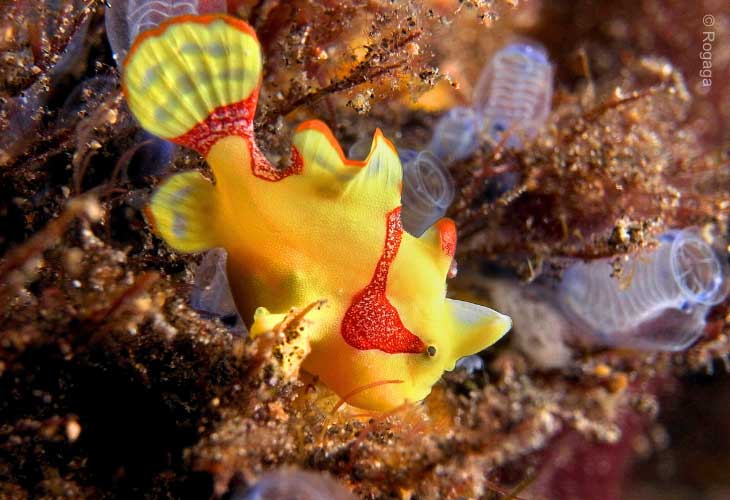
The Painted Frogfish is known for its vivid colours and patterns, which resemble the vibrant tones of reef sponges. Its wide range of colour morphs ensures that no two individuals are alike. This species is both fascinating to watch and a popular subject for underwater photography.

Painted-Frogfish

Painted Frogfish (Antennarius pictus)

Giant Frogfish

The Giant Frogfish is the largest species in the group, reaching up to 15 inches in length. Despite its size, it remains a master of disguise, often mistaken for a sponge or coral outcrop. Spotting one is always a highlight for divers, showcasing just how cleverly adapted these fish are to life on the reef.

Giant-Frogfish

Giant Frogfish (Antennarius commerson)

Frogfish are a reminder that in the ocean, sometimes invisibility beats speed. Whether you’re diving, snorkelling, or photographing marine life, encountering a frogfish feels like discovering a hidden gem. Their quirky shapes, vibrant colours, and patient hunting techniques make them one of the most intriguing and unusual creatures beneath the waves.

By Hafid, AMD-B’s 2025 Divemaster Intern