Save! Join a Scheduled Trip or Course; check our “Specials” for limited time offers; subscribe to eNews for discounts, freebies, bonus offers in Bali and Beyond.
Organize diving in Bali and throughout Indonesia for your dive club or group of friends. Our dedicated team of specialists work with travel agencies around the world.
Why Diving in Indonesia Is Among the Best in the World
Diving in Indonesia is widely regarded as one of the finest experiences a diver can have anywhere in the world. With thousands of islands and vast stretches of ocean, the country offers an exceptional range of dive environments that are difficult to match elsewhere. From vibrant coral reefs to rare marine encounters, every dive feels both unique and memorable.
Rich Marine Biodiversity
Indonesia lies within the Coral Triangle, recognised as the global centre of marine biodiversity. This region supports an extraordinary variety of marine life, making each dive rich in discovery.
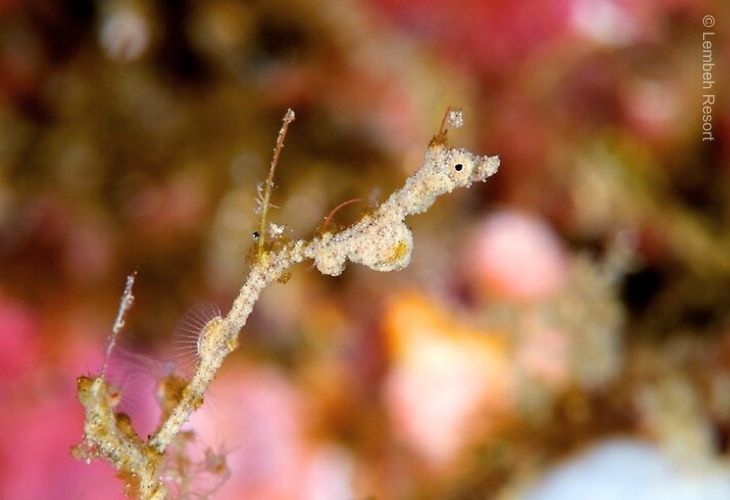
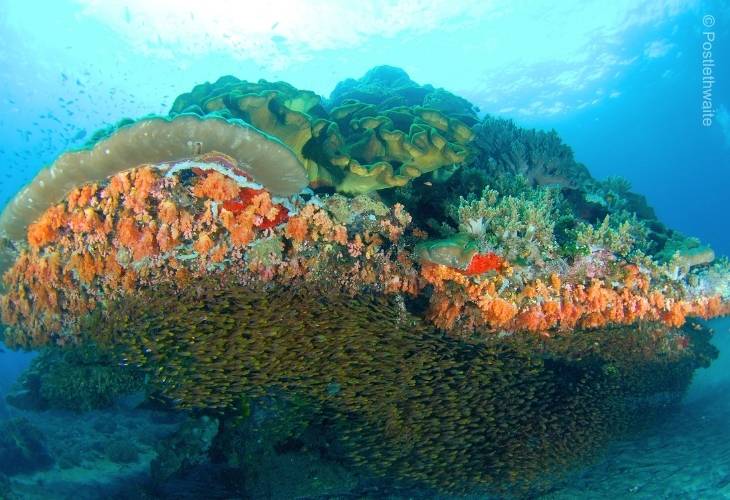
Divers can encounter everything from intricate macro species such as Lembeh sea dragon to larger marine animals including manta rays, reef sharks, and even Mola-Mola. The coral reefs themselves are equally impressive—colourful, healthy, and teeming with life. Many sites remain in excellent condition, allowing divers to experience underwater ecosystems at their most natural and vibrant.
A Wide Range of Dive Sites
One of Indonesia’s greatest strengths is its diversity of dive sites. Whether you prefer relaxed reef dives or more challenging conditions, there is always something new to explore.
You will find coral gardens filled with reef fish, dramatic wall dives, historic wrecks, thrilling drift dives, and world-class muck diving for macro enthusiasts.
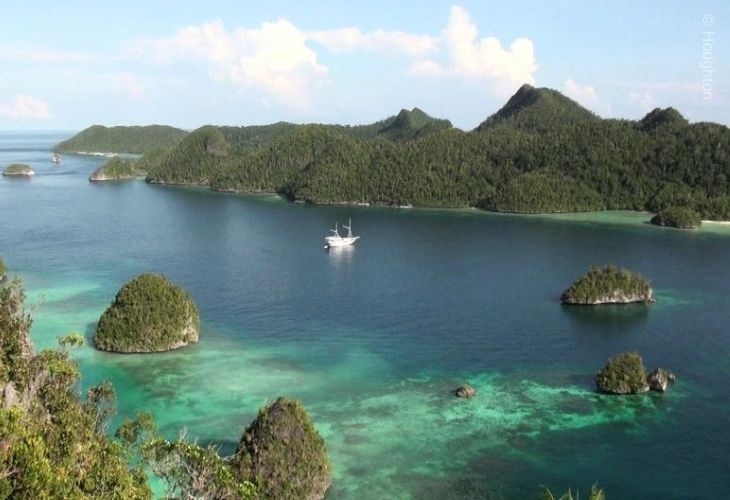
Each region offers its own distinct character. Bali is known for its versatility, Komodo National Park for stronger currents and larger marine species, Raja Ampat for unmatched biodiversity, and Lembeh Strait for exceptional macro diving. This variety ensures that divers can return multiple times and still discover something new.
Suitable for All Levels of Divers
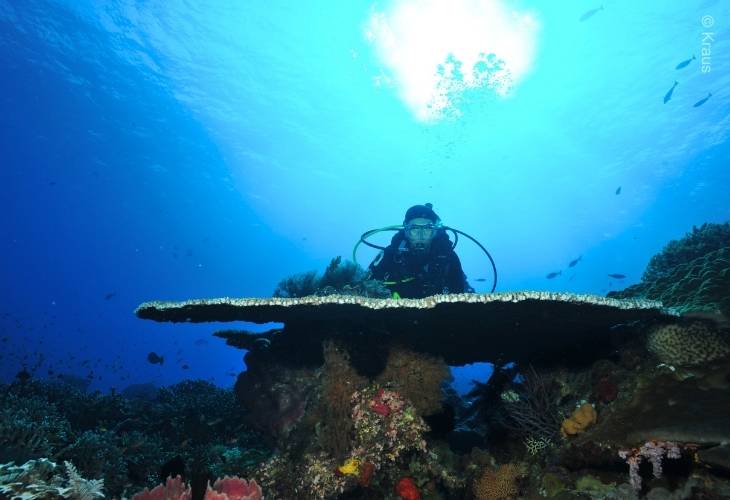
Indonesia is well-suited to divers of all experience levels. Beginners can enjoy calm sites with good visibility and minimal current, making it an ideal place to build confidence. More experienced divers can explore deeper dives, stronger currents, and specialised experiences.
Professional dive operators across the country follow recognised safety standards and provide guidance tailored to each diver’s level, ensuring a comfortable and enjoyable experience throughout.
A Complete Diving Experience
Overall, Indonesia offers a truly complete diving experience. Its combination of rich marine biodiversity, diverse dive sites, and suitability for all levels makes it easy to see why so many divers return time and again.
Whether you are just starting out or seeking your next unforgettable underwater adventure, diving in Indonesia continues to stand out as one of the best choices in the world. 🌊
Ready to Experience Diving in Indonesia?
If you are planning your next dive trip and want to make the most of your time underwater, diving with a knowledgeable and dedicated team can make all the difference.
At AquaMarine Diving – Bali, we offer personalised dive experiences tailored to your level, interests, and pace—whether you prefer relaxed reef dives, macro-focused exploration, or more advanced sites.
Feel free to get in touch with our team to start planning your diving adventure in Indonesia.
Frogfish Family: Incredible Camouflage, Colourful Species & Hunting Secrets
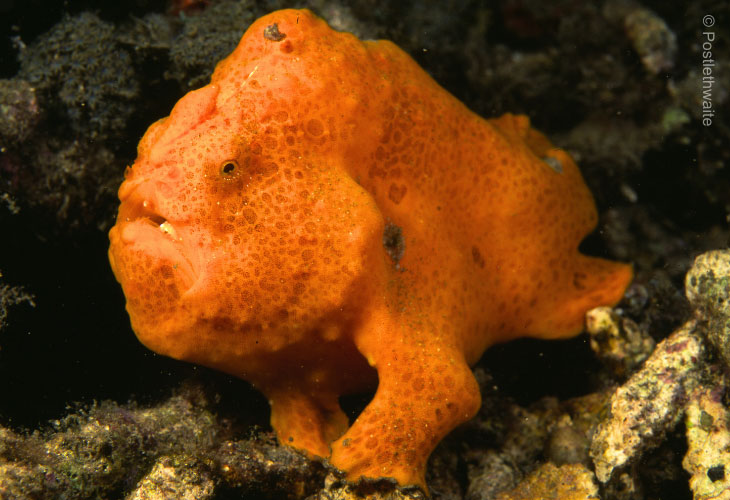
Frogfish are among the ocean’s most unusual and fascinating creatures. Part of the anglerfish family, they’re masters of disguise, relying on stealth rather than speed to survive. Their lumpy, textured bodies let them blend effortlessly with coral, sponges, or rocks, making them almost invisible to predators and prey alike.
They are ambush predators, using a specialised dorsal spine called an illicium as a lure. With a flick, unsuspecting prey is drawn close — then, in a fraction of a second, the frogfish snaps it up. Adding to their uniqueness, they can “walk” along the seabed using their pectoral fins, moving in a way that almost mimics legs.
Warty Frogfish
The Warty Frogfish gets its name from the small wart-like bumps covering its body. It comes in a range of colours, which it can change to match its surroundings perfectly. Often found resting on coral reefs, this species is a favourite for underwater photographers, thanks to its unusual and striking appearance.
Warty Frogfish (Antennarius maculatus)
Freckled Frogfish
Covered in tiny, freckle-like spots, the Freckled Frogfish is a master of camouflage. Preferring rocky reef habitats, it can be extremely difficult to spot unless it moves, making encounters with this species a rare and exciting moment for divers.
Freckled Frogfish (Antennarius coccineus)
Painted Frogfish
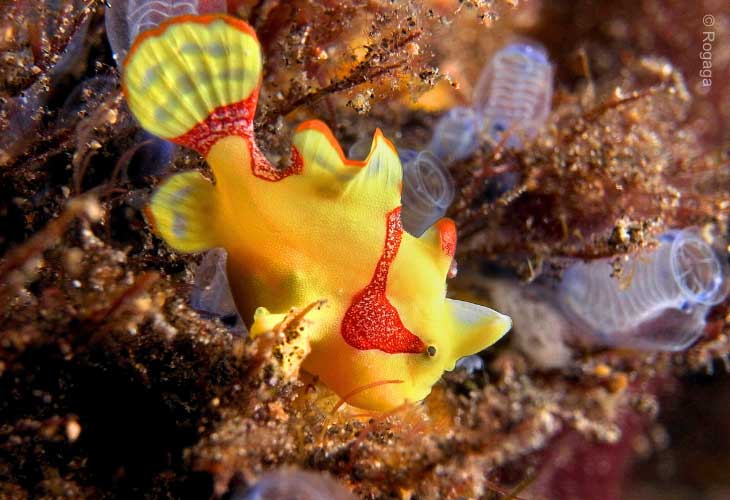
The Painted Frogfish is known for its vivid colours and patterns, which resemble the vibrant tones of reef sponges. Its wide range of colour morphs ensures that no two individuals are alike. This species is both fascinating to watch and a popular subject for underwater photography.
Painted Frogfish (Antennarius pictus)
Giant Frogfish
The Giant Frogfish is the largest species in the group, reaching up to 15 inches in length. Despite its size, it remains a master of disguise, often mistaken for a sponge or coral outcrop. Spotting one is always a highlight for divers, showcasing just how cleverly adapted these fish are to life on the reef.
Giant Frogfish (Antennarius commerson)
Frogfish are a reminder that in the ocean, sometimes invisibility beats speed. Whether you’re diving, snorkelling, or photographing marine life, encountering a frogfish feels like discovering a hidden gem. Their quirky shapes, vibrant colours, and patient hunting techniques make them one of the most intriguing and unusual creatures beneath the waves.
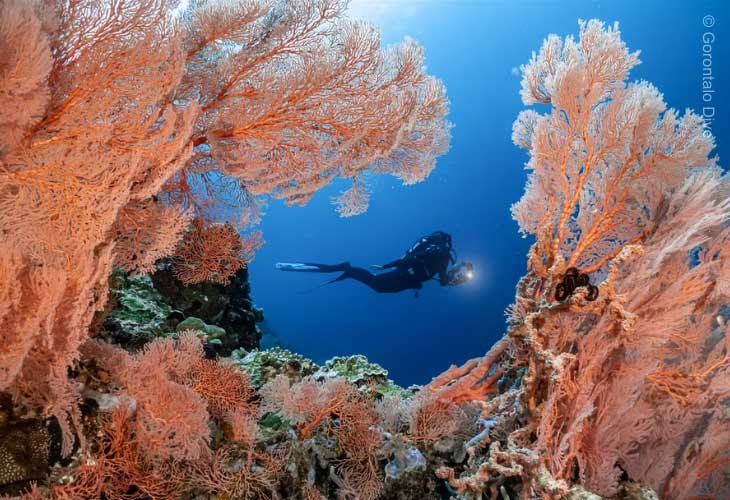
Located along the northern coastline of Tomini Bay, Gorontalo is a low-key dive destination that remains largely off the mainstream diving route in Indonesia. The area is characterised by steep reef walls, warm water, and generally calm conditions, making it suitable for relaxed, unhurried diving.
Diving here is less about dramatic single highlights and more about consistent, enjoyable reef diving in a quiet setting.
Dive Style and Topography
Diving in Gorontalo is mainly along walls and sloping reefs that start shallow and drop into deeper water. Dive profiles are straightforward, allowing divers to spend most of the dive at moderate depth before gradually ascending along the reef.
This layout supports relaxed dive planning and comfortable bottom times.
Marine Life
Reef life in Gorontalo is healthy and varied, with schooling reef fish commonly seen along the walls, including fusiliers and snappers. Butterflyfish, angelfish, and wrasses are present across most sites.
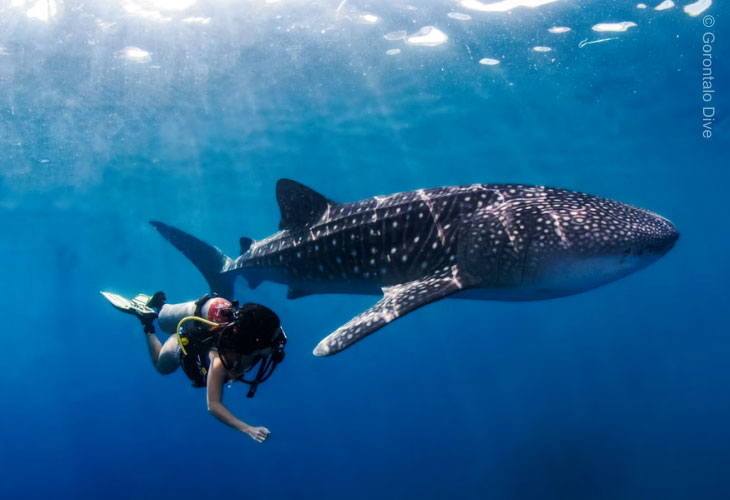
Whale sharks are one of Gorontalo’s main attractions. Sightings are frequent in certain coastal areas under specific conditions, making encounters more likely here than in many other parts of Indonesia, though never guaranteed. These encounters are typically conducted separately from regular reef dives and follow local guidelines.
Divers may also encounter nudibranchs, small invertebrates, gobies, octopus, and cuttlefish, while larger pelagic fish occasionally pass through the walls during standard dives.
Conditions and Suitability
Water temperatures are warm year-round, with generally good visibility. Currents vary by site and tide but are usually manageable.
Gorontalo diving suits certified divers with basic wall-diving experience, underwater photographers, and those who prefer calm, unpressured diving rather than high-energy drift dives.
If you would like more information about diving in Gorontalo, or advice on whether it suits your experience level and travel plans, please contact us. We will be happy to discuss conditions, logistics, and how Gorontalo may fit into a wider Indonesia diving itinerary.