Save! Join a Scheduled Trip or Course; check our “Specials” for limited time offers; subscribe to eNews for discounts, freebies, bonus offers in Bali and Beyond.
Organize diving in Bali and throughout Indonesia for your dive club or group of friends. Our dedicated team of specialists work with travel agencies around the world.
Light Pollution: Why Darkness Matters in the Ocean
For millions of years, marine life has followed natural light cycles. Sunlight, moonlight, and darkness guide feeding, migration, and reproduction.
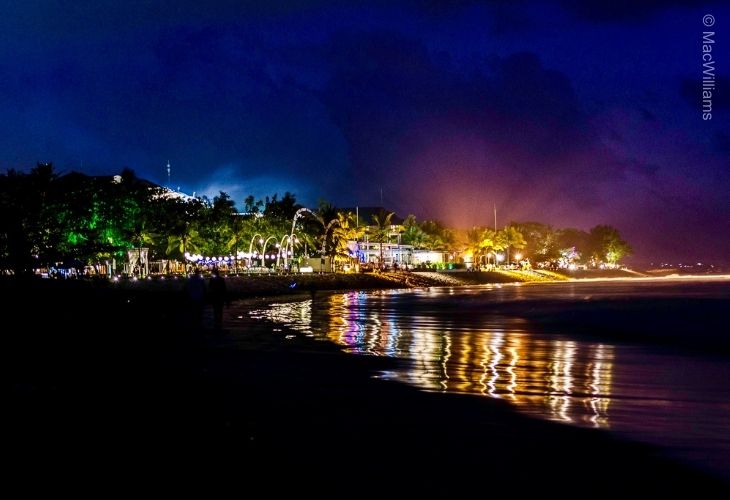
Today, artificial light from coastal cities, resorts, ports, boats, and offshore facilities reaches areas of the ocean that should remain dark. This is known as light pollution in the ocean.
Although it is easy to overlook, light pollution disrupts marine ecosystems just as seriously as other forms of pollution.
How Light Pollution Affects Marine Life
Artificial light penetrates the water column and alters natural behaviour at every level of the ecosystem.
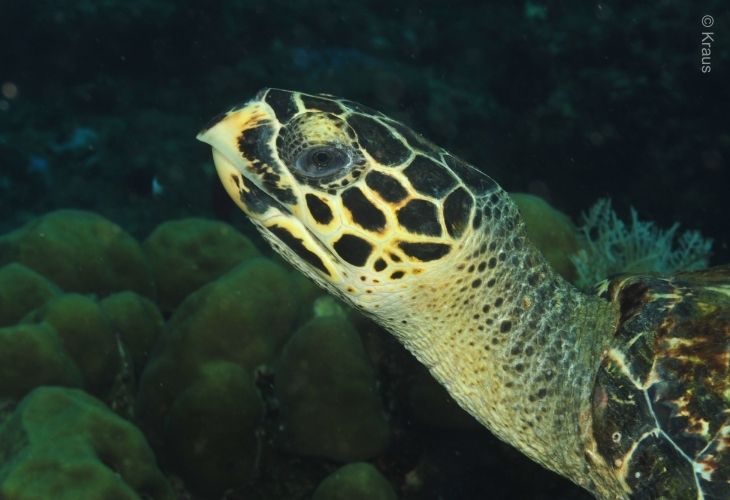
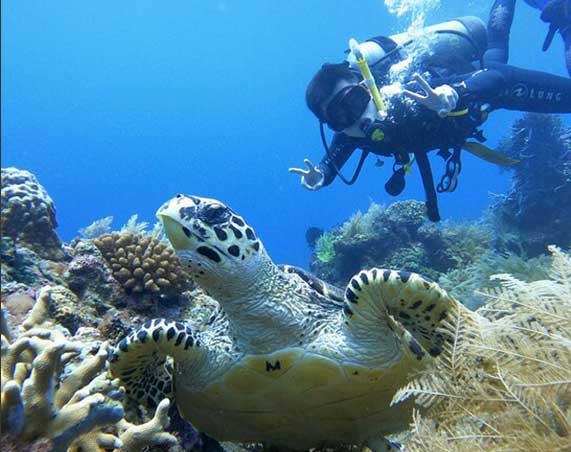
Sea turtle hatchlings rely on moonlight to reach the sea. Artificial lighting can disorient them and lead them inland. Many fish and plankton species follow nightly migration patterns. Bright light interferes with these movements and reduces feeding success.
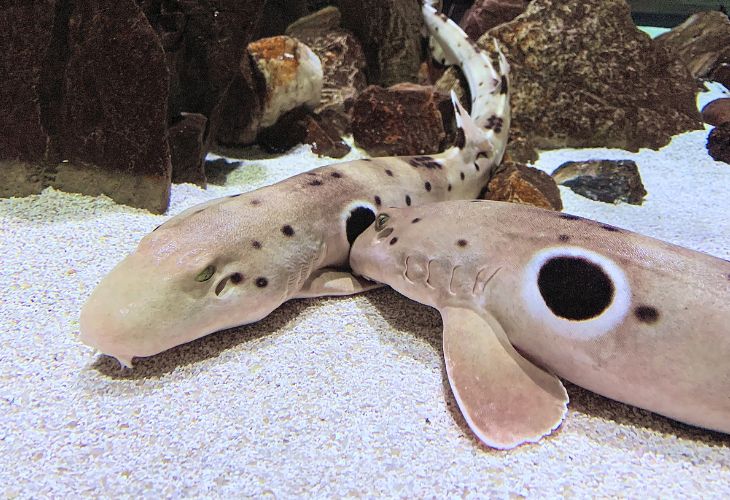
Predators such as manta rays and sharks also rely on darkness. Excessive light removes their natural hunting advantage or draws them into unsafe areas. Over time, light pollution can reduce biodiversity, especially in sensitive coastal zones.
Light Pollution and Diving Practices
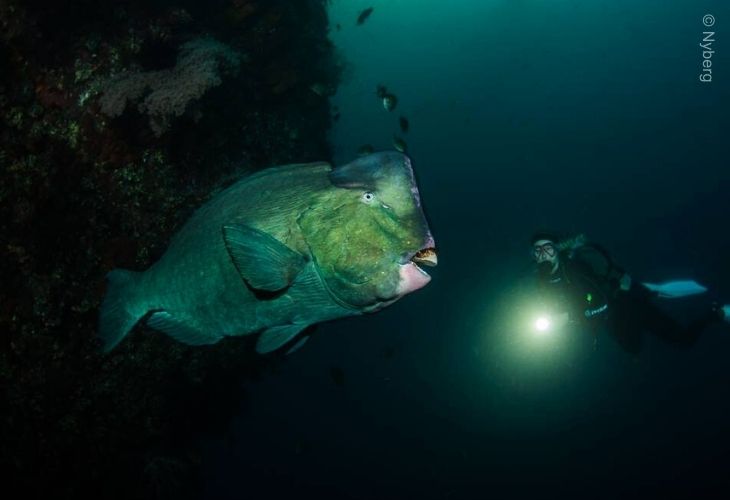
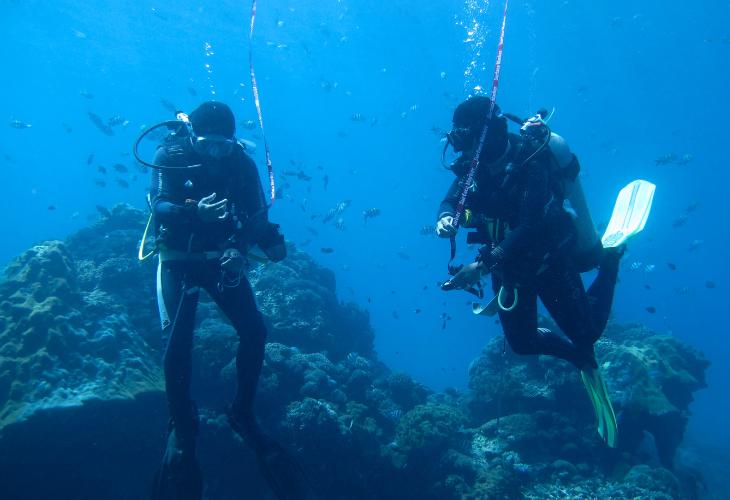
Night diving requires artificial light, but careless use can disturb marine life. Bright dive lamps and boat lights can stress fish, attract plankton unnaturally, and disrupt nocturnal behaviour.
Divers can reduce their impact by using low-intensity lights, avoiding direct illumination of animals, and limiting the time spent lighting a single subject. Minimising unnecessary boat lighting near dive sites also helps preserve natural conditions.
Why Light Pollution Matters
Darkness is essential for healthy marine ecosystems. When it is lost, food chains shift, reproduction declines, and biodiversity suffers.
Simple actions make a difference: – Use shielded coastal lighting – Reduce light intensity near turtle nesting beaches – Apply responsible lighting during night dives – Adjust boat lights to limit sea surface glare – Educate divers and visitors about light pollution
Conclusion: Light pollution in the ocean is a silent threat. The sea needs darkness as much as it needs sunlight. By using artificial light responsibly, divers and coastal communities can help protect marine life and preserve the natural balance of the ocean 🌊