Save! Join a Scheduled Trip or Course; check our “Specials” for limited time offers; subscribe to eNews for discounts, freebies, bonus offers in Bali and Beyond.
Organize diving in Bali and throughout Indonesia for your dive club or group of friends. Our dedicated team of specialists work with travel agencies around the world.
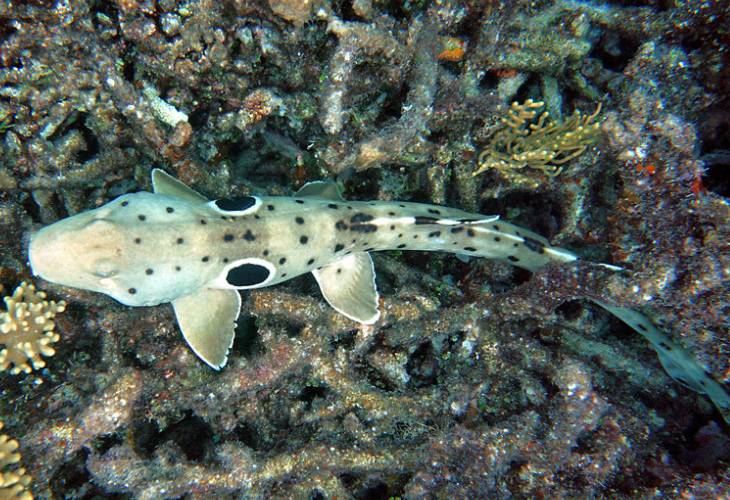
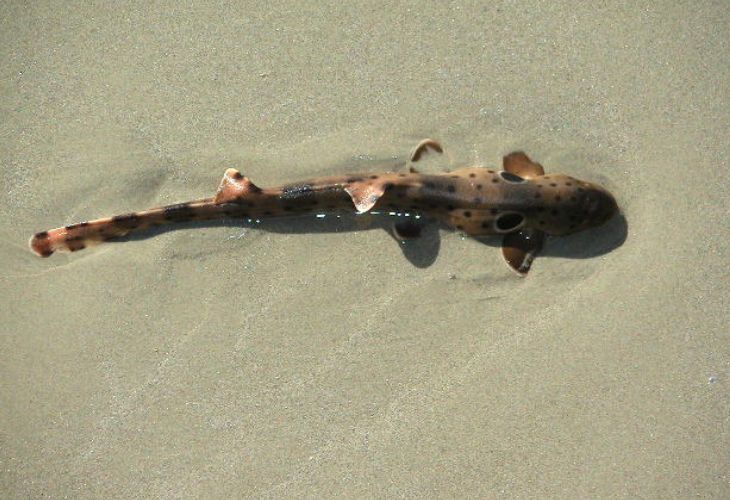
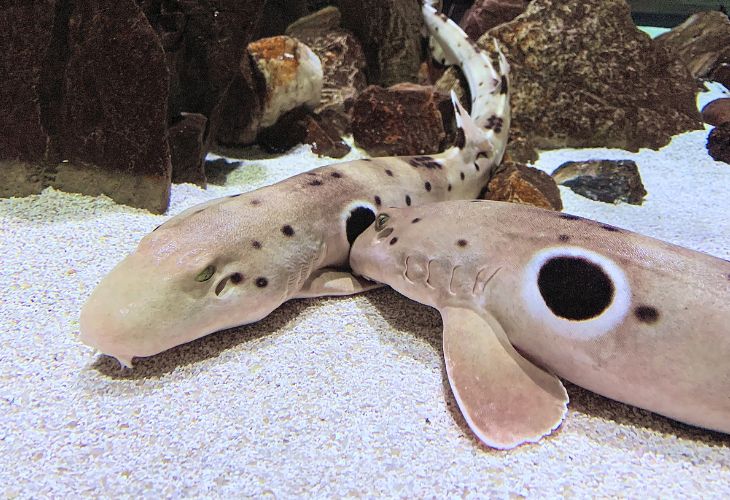
Walking shark, also known as epaulette sharks (from the genus Hemiscyllium), are a group of small, reef-dwelling sharks with the remarkable ability to “walk” using their pectoral and pelvic fins. Growing to around 1 metre (3.3 feet) in length, they are relatively small and pose no threat to humans. Their common name comes from the distinctive oval-shaped markings behind their pectoral fins, which resemble military epaulettes.
Although they are capable swimmers, walking sharks are most often seen moving across the seabed. They use their fins to “walk” over coral rubble, through narrow reef crevices and across shallow tidal pools. This unusual form of movement allows them to hunt in places that many other predators cannot reach, including intertidal areas and waters with very low oxygen levels.
How do they walk?
Walking sharks use their paired fins like limbs, moving them alternately in a way that resembles the gait of a land animal. This is more than an unusual behaviour; it is an important adaptation that helps them survive. During low tide, they can move across exposed reef flats and shallow pools to search for food or return to deeper water.
Their movement may be slow, but it is highly effective. Walking allows them to explore every corner of the reef, reaching prey hidden among corals and rocks. Their diet includes crustaceans, worms and small fish that shelter in tight spaces. Staying close to the reef also helps them avoid larger predators that patrol open water.
Pioneers of coral reef survival
Walking sharks are remarkable examples of resilience and adaptation. They can tolerate warm tidal pools and water with very low oxygen levels, making them well suited to some of the reef’s most challenging environments. Scientists believe these adaptations could provide valuable insights into how marine species respond to changing climates and habitats.
They are also among the youngest known shark groups in evolutionary terms. Research suggests that walking sharks began diverging from their closest relatives around 9 million years ago, making them an important example of relatively recent evolution and speciation.
Conservation and future research
Despite their resilience, walking sharks are still vulnerable to the threats affecting coral reefs worldwide. Habitat loss, pollution and climate change all place pressure on the reefs they depend on. Protecting healthy coral reef ecosystems is essential not only for walking sharks but also for the countless marine species that share their habitat.
Researchers continue to study walking shark to better understand their biology, behaviour and ecological role. Their unique adaptations may provide valuable clues about how marine life can cope with environmental change, highlighting the importance of conserving these extraordinary reef inhabitants.