Save! Join a Scheduled Trip or Course; check our “Specials” for limited time offers; subscribe to eNews for discounts, freebies, bonus offers in Bali and Beyond.
Organize diving in Bali and throughout Indonesia for your dive club or group of friends. Our dedicated team of specialists work with travel agencies around the world.
The Hidden Impact of Organic Waste on Marine Ecosystems
When discussing marine pollution, plastic waste often receives the most attention. However, organic waste—originating from households, agriculture, industries, hotels, and resorts—also plays a significant role in affecting ocean health, often in less visible but equally damaging ways.
Unlike plastic, which mainly causes physical harm to marine life, organic waste affects the marine environment through chemical and ecological processes. Because it is less visible and harder to detect—especially in areas without consistent monitoring—its impact can go unnoticed until the damage becomes more serious. In coastal regions and island destinations, where waste management systems can be under pressure, this issue becomes even more relevant.
How Organic Waste Affects the Ocean
Organic waste is typically rich in nutrients such as nitrogen and phosphorus. When these nutrients enter marine ecosystems, they can trigger a process known as eutrophication, where excess nutrients fuel the rapid growth of algae and other marine organisms.
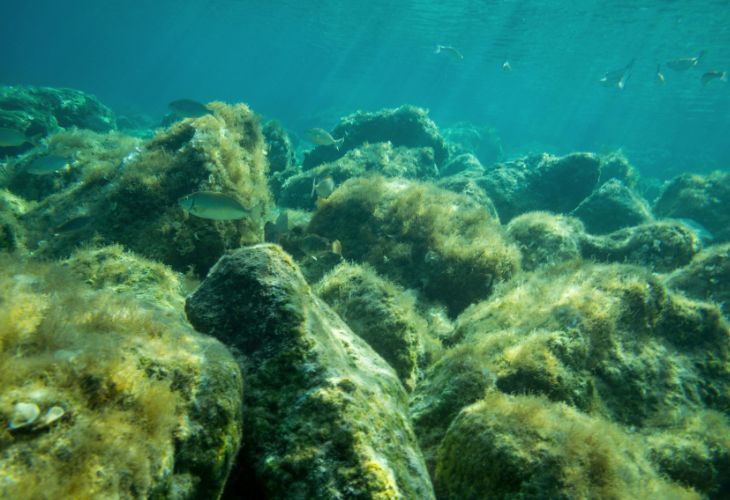
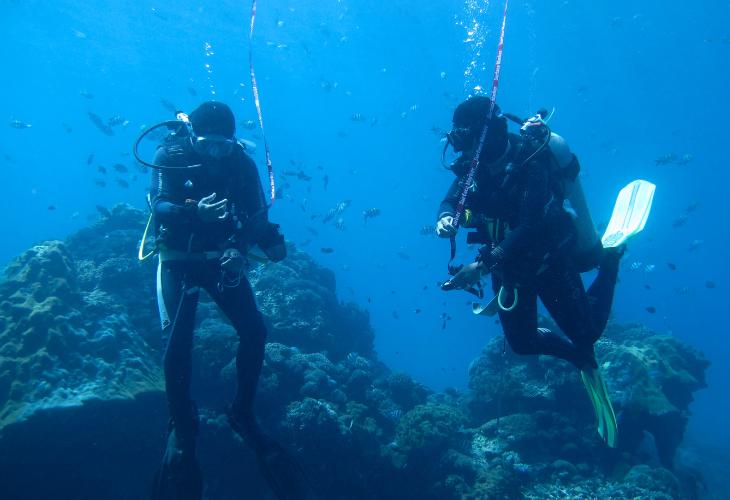
At lower levels, this can lead to macroalgae overgrowth, which competes with coral reefs for light, space, and nutrients. Over time, this competition can weaken coral health, reduce reef resilience, and limit the diversity of marine species that depend on these ecosystems.
At higher levels, eutrophication can result in the formation of “dead zones”—areas with very low oxygen levels where most marine life cannot survive. These conditions occur when large amounts of algae die and decompose, consuming oxygen in the process. As oxygen levels drop, fish and other marine organisms are forced to leave the area or may not survive.
What Can Be Done?
Reducing the impact of organic waste requires both individual and collective action. Simple steps such as minimising food waste, adopting composting practices, and reusing greywater for irrigation can help reduce the amount of organic material entering waterways.
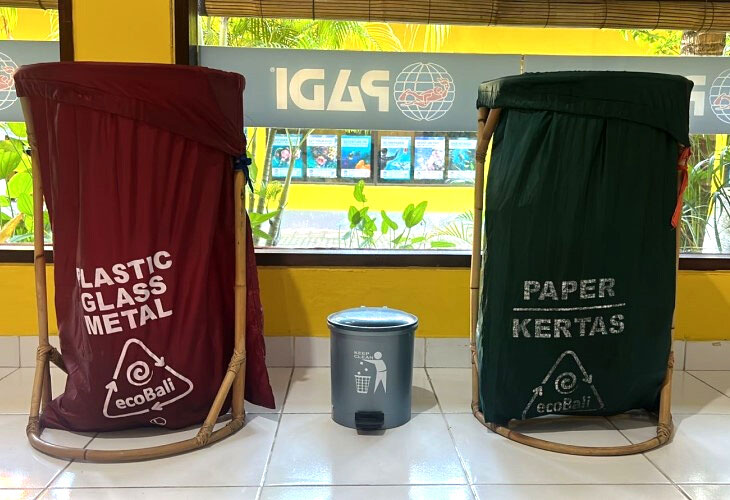
At the same time, effective waste management systems are essential. Proper segregation at source, reliable collection, and appropriate treatment of organic waste can significantly reduce the risk of nutrient pollution reaching the ocean. For businesses such as hotels and resorts, implementing sustainable waste practices can make a meaningful difference, particularly in coastal environments where the connection between land and sea is immediate.